
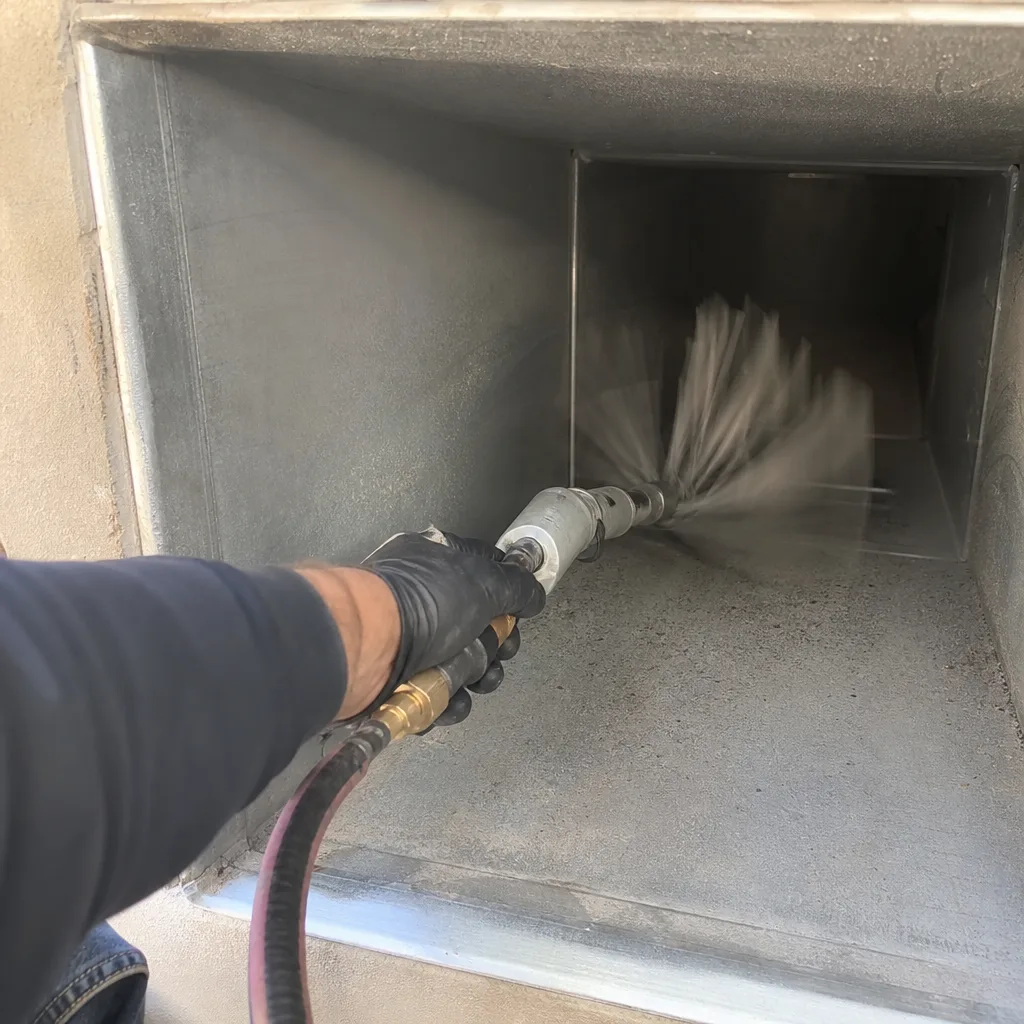
Last updated November 4, 2026
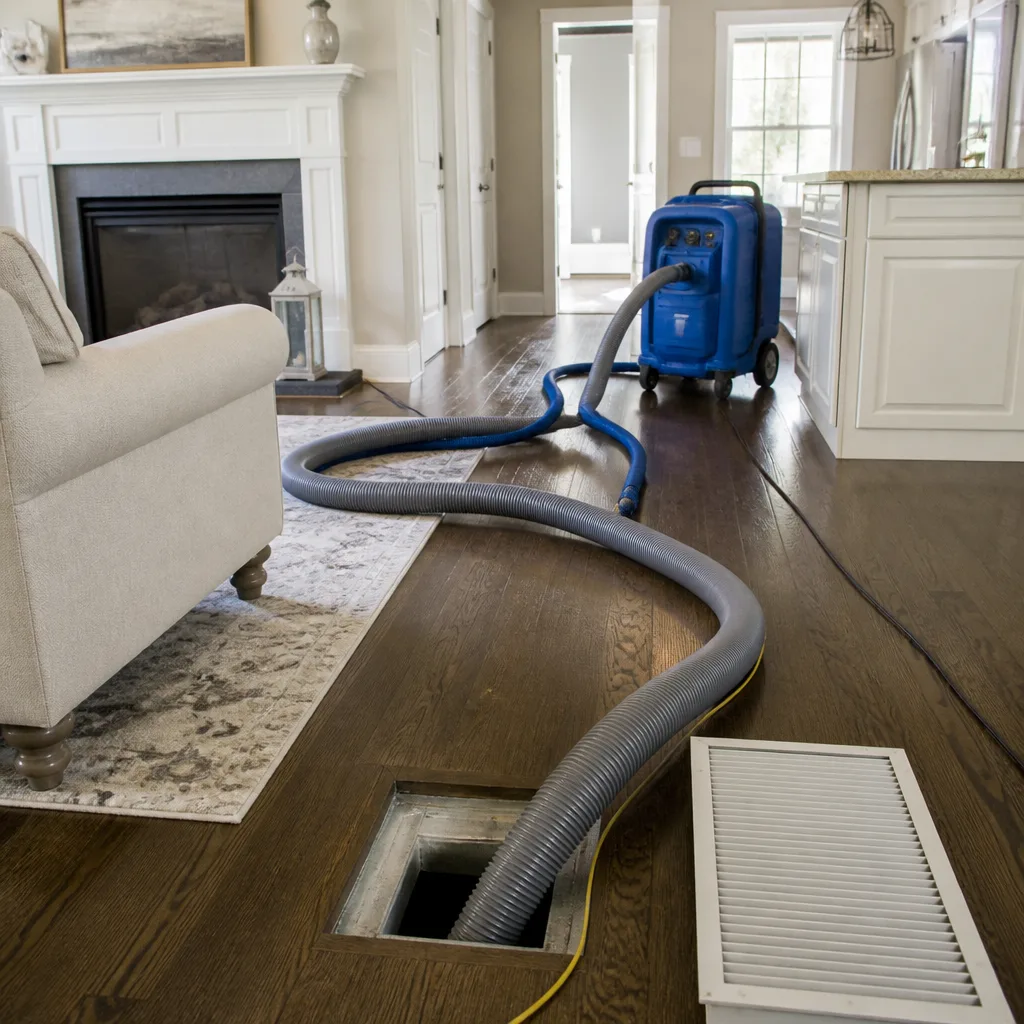 Whole-home duct cleaning
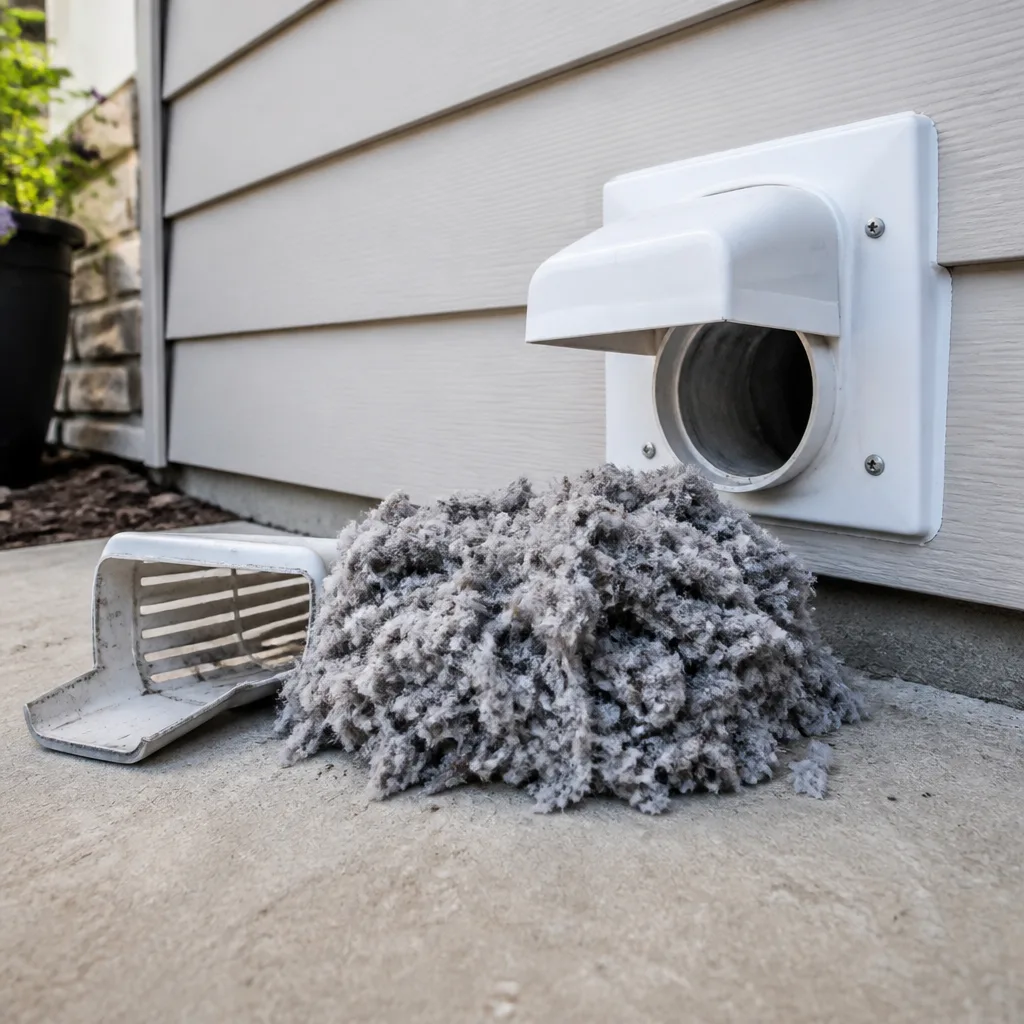 Dryer vent cleaning
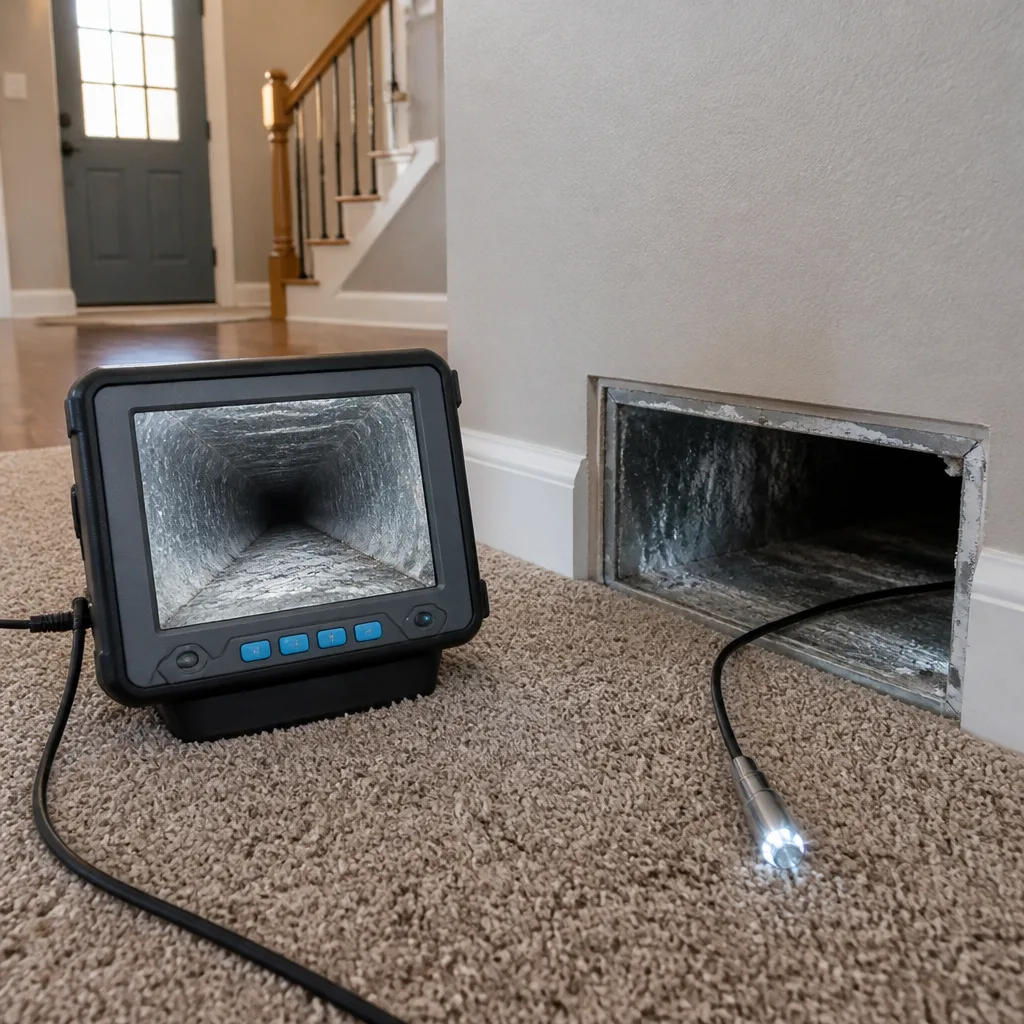 Camera inspection
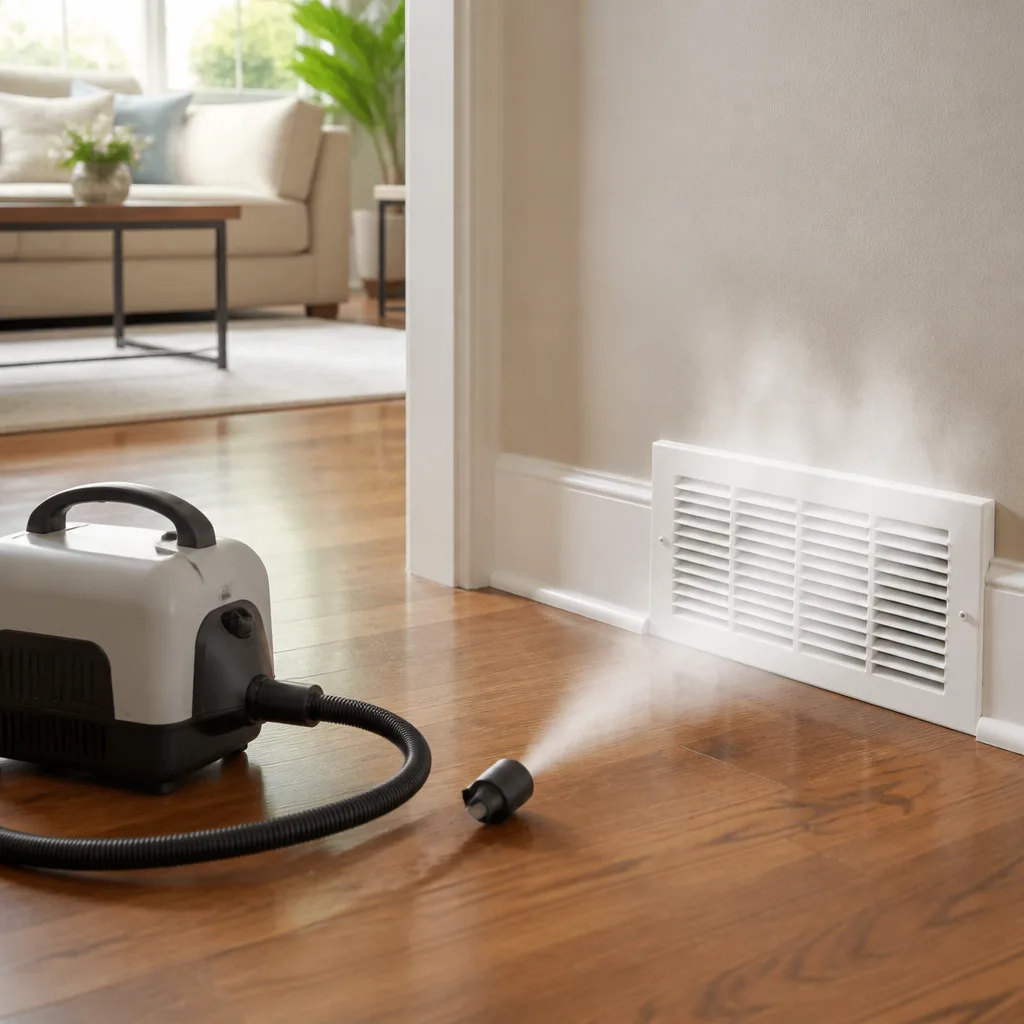 Sanitizing & deodorizing
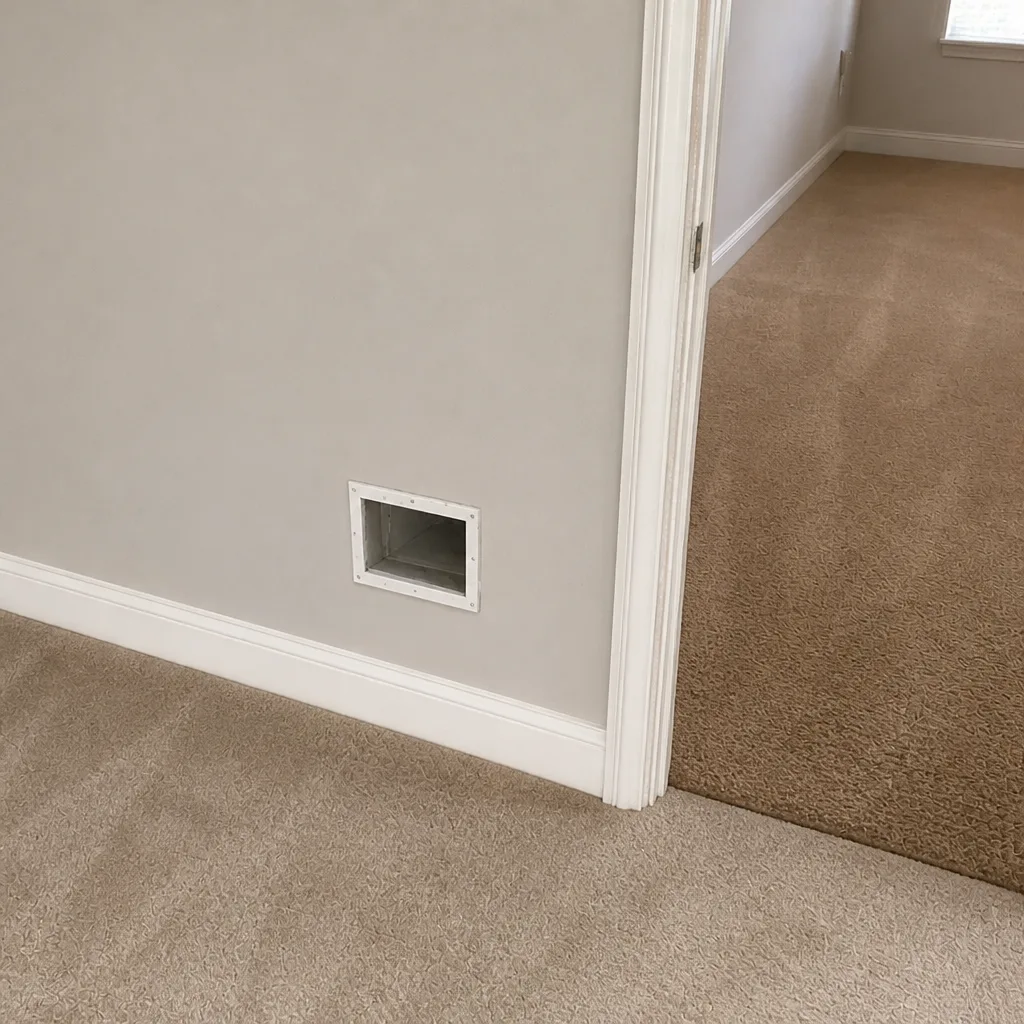
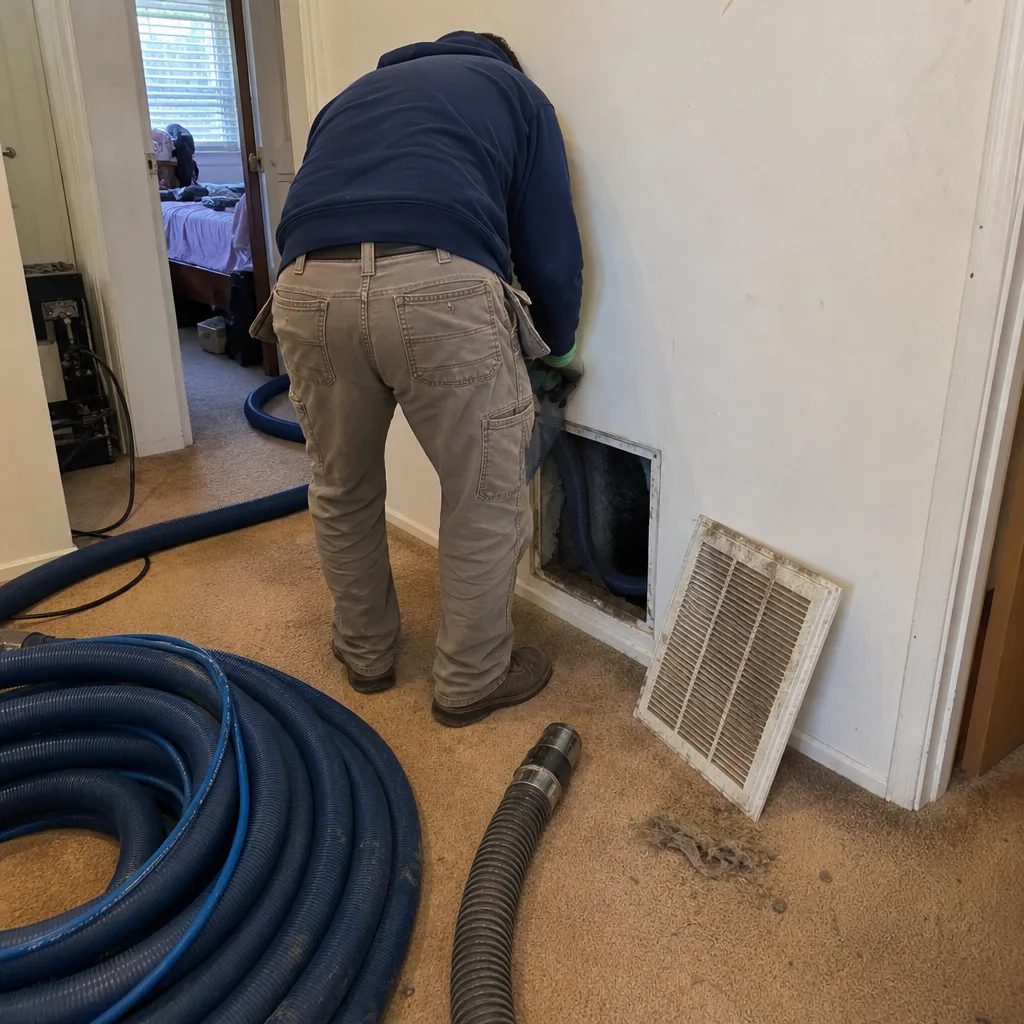
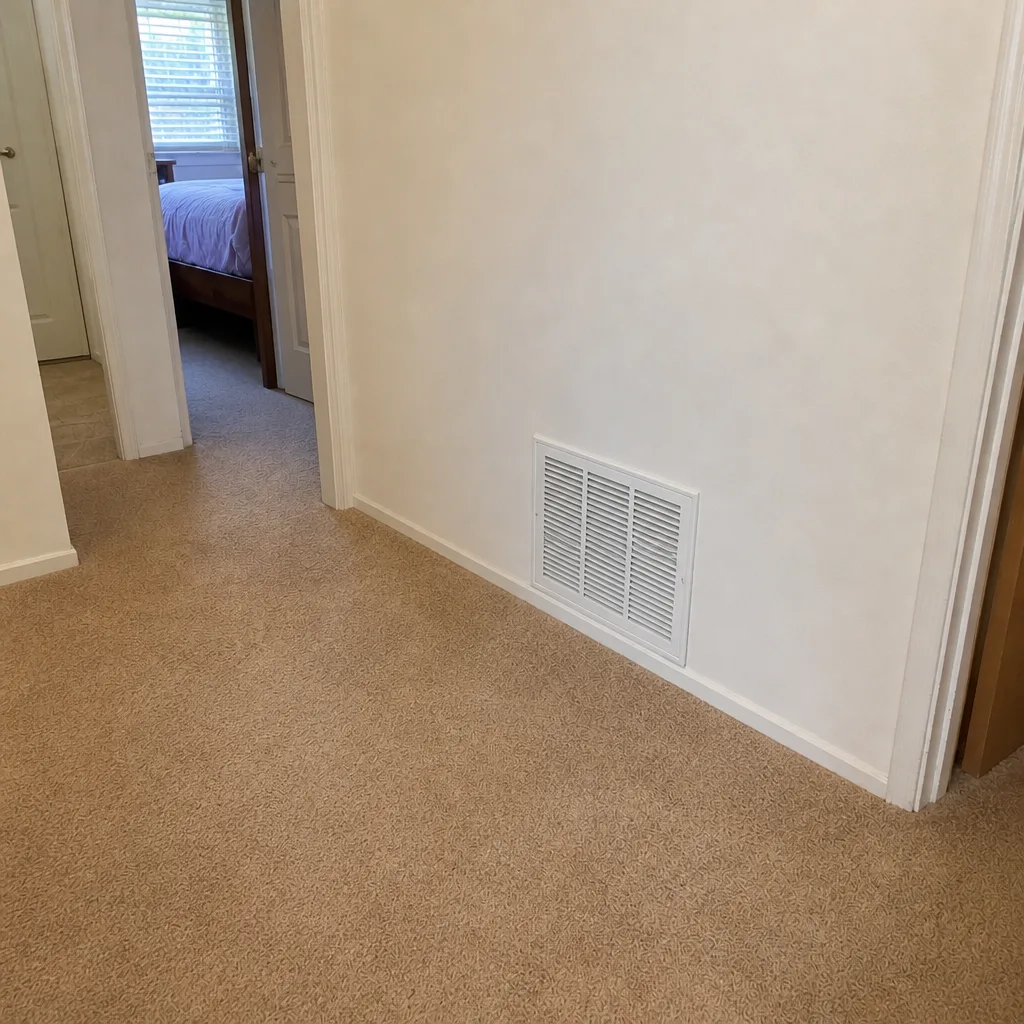
Whole-system duct and dryer vent check with before-and-after photos - you see exactly what came out of your vents
That "$99 whole-house special" is a bait ad - the real number appears once they are in your hallway, or the "clean" is a shop-vac at the register. We photograph the inside of your ducts before and after instead.
The Complete Guide to Air Duct Cleaning in Arden-Arcade
A duct that looks dirty on camera may actually need sealing or realignment before cleaning does any good. Running a brush through a collapsed flex duct just spreads debris further into the system, and that’s a detail most quotes never mention. In Arden-Arcade, where a large share of homes were built between the 1960s and 1990s, the ductwork itself is often the problem, not just the dust inside it. This guide explains how real source-removal cleaning works, why it matters, what a proper system assessment should include, and when cleaning alone is the wrong prescription. You’ll learn how to evaluate the job, what questions to ask, and how to avoid paying for a vacuum job that leaves the real issue untouched.
Styles & brands we work with
- Whole-home duct cleaning
- Dryer vent cleaning
- Camera inspection
- Sanitizing & deodorizing
Quick Answer
Air duct cleaning in Arden-Arcade means more than running a vacuum through your vents. A proper job uses negative-pressure source-removal equipment to agitate and extract debris from the duct walls, then verifies airflow and static pressure before and after the work. The goal is not just cleaner air, but a duct system that moves air the way it was designed to.
Table of Contents
- Why Air Duct Cleaning Is Really a System Diagnosis
- What Arden-Arcade’s Housing Stock Means for Your Ducts
- Source Removal vs. Contact Vacuuming: The Difference That Matters
- What a Proper Duct Assessment Should Include
- What NADCA Standards Actually Require
- When Cleaning Alone Isn’t Enough: Duct Repair and Replacement
- Dryer Vent Cleaning: The Fire Risk Hiding in Plain Sight
- Common Mistakes to Avoid
- When to Call a Professional
- Frequently Asked Questions
- The Bottom Line
Why Air Duct Cleaning Is Really a System Diagnosis
Most homeowners call an air duct cleaning company expecting one thing: a crew that shows up, sticks a hose in the vents, and leaves. But the ducts in your Arden-Arcade home are a connected system. They have seams, joints, bends, and transitions. They were sized for a specific furnace or air handler, and they’ve been aging since the day they were installed. Treating cleaning as a single event, rather than a diagnostic opportunity, is the most common reason people pay for work that doesn’t solve the underlying problem.
Here’s how the system works. Your air handler pulls return air through a filter, pushes conditioned air through supply ducts, and distributes it through registers in each room. Any leak, collapse, or restriction along that path changes how the entire system performs. Dirt is a symptom. It collects where airflow changes, where moisture condenses, or where a gap lets attic air in. If a technician cleans the dirt without checking why it collected there, they’ve treated the symptom and missed the disease.
In our experience, a meaningful percentage of Arden-Arcade homes that are “just due for a cleaning” actually have a structural issue: a disconnected flex duct in the attic, a return that’s too small for the system, or a section of duct crushed during a past remodel. The right question to ask any contractor is not “how much do you charge,” but “what do you check before you clean?” If the answer is a shrug, you’re hiring a vacuum operator, not a system specialist.
This is why Copper Air Duct Cleaning positions itself as the full-system option. We clean, but we also diagnose. And when the diagnosis finds something cleaning won’t fix, we repair it. That’s a fundamentally different service model than a crew that only operates extraction equipment and walks away. We carry the equipment and the expertise to do both, which matters when your goal is a system that works, not just a vent that looks better on camera.
What Arden-Arcade’s Housing Stock Means for Your Ducts
Arden-Arcade doesn’t have one housing type. It has several, and each one ages differently. The area includes ranch homes from the 1960s, tract housing from the 1980s and 1990s, and a smaller number of custom builds with more complex mechanical systems. Understanding which category your home falls into tells you a lot about what’s likely going on inside the ductwork.
Older ranch homes in Arden-Arcade often have rigid metal ducts, which is good news in some ways. Rigid ducts hold up well structurally. But they were almost never sealed properly at the joints, and after fifty-plus years in a hot Sacramento Valley attic, those joints leak. Conditioned air that should reach a far bedroom escapes into the attic instead. Dust gets pulled in through the same gaps. The cleaning itself isn’t the challenge with these systems. Sealing and airflow correction are.
The tract housing from the 1980s and 1990s is common in Arden-Arcade neighborhoods like Arden Manor, Arden Park, and the subdivisions near Watt Avenue. These homes leaned heavily on flex duct, a reinforced foil-and-plastic tube. Flex duct is inexpensive and quick to install, which is why builders used it. But it degrades. The inner liner tears, the outer jacket gets brittle, and in the Sacramento summer heat, the material breaks down faster than it would in a milder climate. A torn flex duct pulls attic insulation into the airstream and blows partially conditioned air into a hot attic space. Cleaning a system with degraded flex duct without addressing the flex duct itself is a wasted service call.
Undersized returns are another pattern we see across Arden-Arcade homes of this era. Builders often installed a single central return when the system really needed two to breathe properly. Restricted return airflow causes the blower to work harder, increases static pressure, and pulls air through whatever gaps exist, including gaps in your return chase. A competent technician measures this before and after cleaning. If static pressure doesn’t change, the cleaning wasn’t the bottleneck.
The practical takeaway for Arden-Arcade homeowners is this: your duct system’s age and construction type determine what a cleaning can actually achieve. A home with intact, sealed, correctly sized ducts will see a real difference from source-removal cleaning. A home with failing flex duct or a starved return will see only marginal improvement until the underlying issue is fixed. That distinction is the difference between a contractor who charges you once and a contractor who helps you plan the right sequence of work.
Source Removal vs. Contact Vacuuming: The Difference That Matters
Not all duct cleaning is the same process. The industry has two primary methods, and they produce very different results. Contact vacuuming pushes a vacuum hose into the duct and pulls debris from wherever the hose tip happens to touch. It’s fast, it’s cheap, and it leaves most of the duct wall untouched. Source removal is a more involved process that agitates debris off the duct surfaces before extraction. Debris is loosened first, then removed under negative pressure so it can’t escape into the living space.
Think of it like washing a car. Contact vacuuming is the equivalent of vacuuming the driver’s seat and declaring the car clean. Source removal is the equivalent of scrubbing and rinsing the entire vehicle. One approach addresses the visible surface. The other addresses the system.
Copper Air Duct Cleaning uses Rotobrush source-removal equipment. A rotating brush head physically agitates the duct walls, dislodging the caked dust, hair, and debris that cling to the interior surfaces. That agitated material is then drawn into a Nikro industrial-grade vacuum system, which provides the suction power needed to pull debris through long duct runs. The combination, agitation plus high-capacity extraction, is what separates professional source removal from a blow-and-vacuum approach.
Containment is the third piece. When you agitate debris inside a duct, you need to ensure it doesn’t escape into the air you’re breathing while the system is open. That’s where Abatement Technologies negative-air containment gear comes in. The equipment creates negative pressure inside the duct system during the cleaning, so loosened debris is captured and channeled into the vacuum rather than into your hallway. This matters in Arden-Arcade homes where the air handler is frequently in a hallway closet or garage, not a sealed mechanical room.
A simple blow-and-vacuum operation doesn’t agitate, doesn’t contain, and doesn’t verify. A source-removal job does all three. When you’re comparing bids in Arden-Arcade, ask which method the company uses. If the answer is vague, ask what brand of agitation equipment they run. If the answer is “a vacuum hose,” you now know what you’re paying for.
What a Proper Duct Assessment Should Include
A competent duct cleaning starts before any equipment comes off the truck. The technician should assess the system as a whole, not just look at the vents. Here’s the step-by-step process we follow in Arden-Arcade homes, and what you should expect from any contractor you hire.
- Visual inspection of registers and returns. The tech pulls several registers and inspects the visible duct interior, looking for debris accumulation, moisture staining, mold growth, or signs of past damage. This confirms what the camera will show later and identifies any immediate red flags.
- Equipment inspection. The air handler, filter, and evaporator coil get a look. A clogged filter or a coil covered in fibrous dust changes the system’s performance. If the coil is dirty, that’s a separate cleaning consideration.
- Static pressure measurement. The technician measures static pressure in the supply and return plenums. High static pressure indicates restricted airflow, which could mean undersized ducting, a dirty coil, or a filter that’s too restrictive. This gives a baseline for comparison after the cleaning.
- Airflow check at registers. Airflow at each supply register is measured or at least noted. Rooms with weak airflow may be starved by a duct problem, not just dirt. If airflow is poor before cleaning and unchanged after, the issue is systemic.
- Duct condition assessment. The technician inspects accessible duct runs, especially flex duct in the attic. Look for tears, kinks, disconnections, or sections that have collapsed. This is the step most companies skip, and it’s the one that matters most for older Arden-Arcade homes.
- Pre-cleaning photo documentation. The inside of the ducts is photographed before work begins. You should see these photos, not just be told the ducts were dirty.
- Post-cleaning verification. After the cleaning, the same measurements are taken again. Static pressure should be the same or lower. Airflow should be the same or better. And post-cleaning photos should show a visible difference on the duct walls.
If a contractor in Arden-Arcade skips the measurement steps, you have no way to know whether the cleaning accomplished anything beyond making the register openings look tidier. A system assessment turns duct cleaning from a cosmetic service into a functional one. That’s the difference between a clean duct and a working system.
What NADCA Standards Actually Require
NADCA is the National Air Duct Cleaners Association, and its ACR (Assessment, Cleaning, and Restoration) standard is the most widely recognized benchmark for the duct cleaning industry. Most budget cleaners in the Sacramento area don’t follow it, and most homeowners don’t know to ask. Understanding what the standard covers gives you a checklist for evaluating any Arden-Arcade contractor.
The ACR standard requires that a cleaning company assess the system before cleaning, not just show up and start extracting. That assessment includes inspection of the air handler, fan, coils, and any components that come into contact with the airstream. The standard also requires that cleaning be performed using source-removal methods. Contact vacuuming alone does not meet NADCA requirements. If a company advertises NADCA-style work but can’t explain what source removal means, they’re not following the standard.
Another key element: the standard requires that all porous surfaces in the airstream, including the interior of flexible duct, be cleaned or, where cleaning is not possible, identified and addressed. That matters in Arden-Arcade because flex duct is so prevalent. A flex duct with a torn inner liner can’t be properly cleaned. The standard says the issue has to be identified and the homeowner informed. That’s the basis for a repair recommendation.
NADCA also specifies that the system’s components, such as turning vanes, dampers, and access panels, should be cleaned or replaced as needed. It requires that the work area be protected and that debris containment procedures be in place. In practice, that means the sort of negative-pressure containment gear we use, not an open-ended vacuum hose with debris blowing around the utility closet.
For an Arden-Arcade homeowner, the NADCA standard is a useful filter. Ask any contractor you’re considering: “Do you follow the NADCA ACR standard for source-removal cleaning?” A knowledgeable contractor will be able to answer immediately and explain what that means for your home. A contractor who hesitates, or who claims NADCA standards are “overkill,” has just told you what kind of job you’re going to get.
When Cleaning Alone Isn’t Enough: Duct Repair and Replacement
There’s a moment in a certain percentage of Arden-Arcade duct cleaning jobs where the right answer is not to keep cleaning. The right answer is to stop, show the homeowner the photo, and explain that the duct itself is failing. That’s the moment where a cleaning-only company and a full-system company part ways.
A torn flex duct cannot be made whole by cleaning. Neither can a collapsed section, a disconnected joint, or a return chase that’s been crushed by attic foot traffic. These conditions require Copper Air Duct Cleaning to repair or replace the affected sections before the cleaning has any lasting value. We repair what others just clean around, and in Arden-Arcade that’s not a slogan. It’s a necessary service category given the age and construction style of the housing stock.
Here are the specific scenarios where cleaning is not the answer, and repair is:
- Torn or punctured flex duct. The inner liner is compromised, insulation fibers can enter the airstream, and the duct will continue to pull attic air. Cleaning won’t reseal it.
- Disconnected duct sections. A joint that has separated means the conditioned air is being dumped into the attic instead of reaching a room. Reconnection is a repair, not a cleaning.
- Crushed or collapsed runs. Airflow restriction from physical damage needs to be corrected structurally. A brush through a collapsed duct can damage it further.
- Undersized returns. If static pressure is high and the return is the bottleneck, the fix may involve adding a return. Cleaning won’t change the system’s capacity.
- Significant mold growth on duct surfaces. If mold is confirmed, the appropriate response may include replacement of the affected duct sections, not just surface cleaning.
This is why a dryer vent cleaning company with a narrow scope can leave you with unresolved problems. The full-system approach means evaluating whether cleaning will actually solve the issue before charging for it. Sometimes the most honest quote is the one that says, “Here’s the section that needs replacement, and here’s what the cleaning will cost once it’s fixed.” That’s the conversation a homeowner in Arden-Arcade deserves to have.
Dryer Vent Cleaning: The Fire Risk Hiding in Plain Sight
Your dryer vent is not a duct cleaning afterthought. It’s a separate system with a separate job: moving hot, moisture-laden air, and lint out of your home. When it’s restricted, lint accumulates quickly. Lint is combustible. The combination of heat, restricted airflow, and a fuel source is exactly the recipe that leads to residential dryer fires.
Arden-Arcade homes with longer dryer vent runs, or those where the vent terminates on the roof, are at higher risk because the vent has more distance to travel and more opportunity to accumulate lint in bends and transitions. A typical homeowner may never see the inside of this vent. The visible portion behind the dryer is usually a small fraction of the total run.
Cleaning a dryer vent properly requires dedicated equipment, not just a shop vac. The professional approach involves agitating the lint from the full length of the vent and extracting it at the source. After cleaning, the airflow at the exterior termination point should be measured and confirmed. A visual check of the exterior vent hood, whether it opens freely, whether the flapper is intact, is part of the job.
Dryer vent cleaning is one of the three services we provide, alongside air duct cleaning and air duct repair. It’s a separate service line because it deserves its own equipment, its own procedure, and its own safety context. If your dryer has been taking longer to dry a load, that’s a sign the vent is restricted. Not every issue is visible. The only way to know is to have the run inspected and cleaned.
We offer dryer vent cleaning as a dedicated service because the fire risk is real. A homeowner who stays on top of this is not just keeping a dryer running efficiently. They’re removing a documented fire hazard from the home. That’s not hype. It’s basic maintenance, and it’s one of the highest-value things a homeowner in Arden-Arcade can do for their family’s safety.
Common Mistakes to Avoid
- Hiring on price alone. A $99 whole-house duct cleaning special is a contact-vacuuming job. It leaves most of the duct surface untouched. You’ll pay again when a real cleaning is eventually done.
- Skipping the assessment. A company that goes straight from the phone call to the hose isn’t checking static pressure, airflow, or duct condition. You’re paying for extraction without understanding whether that’s even the right service.
- Ignoring flex duct condition. In many Arden-Arcade homes, flex duct has been in a hot attic for decades. Cleaning a torn or degraded flex duct is wasted effort. The duct itself needs attention first.
- Not asking for before-and-after photos. A company that won’t show you what the ducts looked like before and after is asking you to take the result on faith. Clean ducts are measured, not assumed.
- Treating dryer vent cleaning as optional. Lint accumulation is a documented leading cause of residential dryer fires. A clogged vent also shortens the life of the dryer and increases energy use.
- Assuming all ducts are equally cleanable. Rigid metal ducts from a 1960s ranch home, flex ducts from a 1990s tract home, and custom systems with mixed materials all require different approaches and have different limitations.
- Waiting until the system fails to assess it. Duct problems compound. A small leak becomes a large leak. A dirty coil reduces airflow and shortens equipment life. An inspection before the system fails is cheaper than a repair after.
When to Call a Professional
You should call a professional if you’ve never had the ducts inspected in the home’s lifetime, if you can see visible debris around the registers, if airflow in certain rooms is noticeably weaker than others, or if your energy bills have climbed without a clear explanation. If you’re replacing a furnace or air conditioner, it’s the ideal time to have the ducts assessed and cleaned, since the system will be open and accessible. If your dryer takes longer than one cycle to dry a normal load, schedule a dryer vent cleaning. And if you can see duct damage in the attic, or suspect a leak, that’s a repair question, not a cleaning one. Copper Air Duct Cleaning offers free estimates in Arden-Arcade. Call (833) 734-3714.
Frequently Asked Questions
Air duct cleaning in Arden-Arcade is priced per system, based on the size of the home, number of vents, accessibility of the ductwork, and the condition of the system. You should receive a written estimate before any work begins. A professional source-removal cleaning on a typical single-family home is a meaningful investment, but the price reflects the difference between agitated, extracted, and contained debris removal versus a contact-vacuum pass. For an exact quote, call (833) 734-3714. We answer 24/7. Fast dispatch from 7am to 7pm, Sunday through Friday.
Cheaper quotes almost always reflect a narrower scope of work. A contact-vacuum job that touches visible surfaces costs less because it does less. It doesn’t agitate the duct walls, doesn’t clean the full system, and doesn’t assess or verify anything. Source-removal cleaning with industrial-grade equipment costs more because the job is more thorough and takes longer. In Arden-Arcade, where duct systems vary widely in age and construction, the cheaper quote often leaves the actual problem untouched.
Ask for before-and-after photos of the duct interior, and ask about static pressure and airflow measurements. A competent contractor takes both. If the photos show a visible difference on the duct walls and the airflow measurements are stable or improved, the job worked. If the contractor can’t provide either, you have no verification. Our philosophy is that clean ducts are measured, not assumed.
There’s no one-size-fits-all schedule, but most homes benefit from a professional assessment every three to five years. Homes with pets, smokers, recent remodeling, or occupants with allergies may need attention more frequently. Arden-Arcade’s hot, dry summers mean more time with the system running, which pulls more air, and more airborne material, through the ducts. The best way to know is to have the system inspected and base your decision on what’s actually inside.
Dirty ducts can recirculate dust, pollen, pet dander, and other particulates through the living space. If the system is pulling air from an unconditioned attic through leaky returns, it may also introduce attic insulation fibers and other material that wouldn’t otherwise be in the air. Removing that debris through source-removal cleaning, and fixing any leaks that let it in, can reduce the particulate load in your home’s air.
Yes. All three services, air duct cleaning, dryer vent cleaning, and air duct repair, are available throughout Arden-Arcade and the surrounding area. Estimates are free, and the price is set per job by the written estimate. Call (833) 734-3714. We answer 24/7. Fast dispatch from 7am to 7pm, Sunday through Friday.
The Bottom Line
Air duct cleaning in Arden-Arcade is a full-system exercise, not a single-event chore. The housing stock here, from 1960s ranch homes with leaky metal ducts to 1990s tract homes with failing flex duct, means the underlying condition of the ductwork often determines what a cleaning can achieve. Source-removal cleaning with proper agitation, industrial extraction, and negative-pressure containment is the only method that actually clears the system. Skip the assessment, and you’re paying for a result nobody measured. Skip the repair conversation, and you’re cleaning around a problem instead of fixing it. Get the diagnosis first, then make the call.
Written by the team at Copper Air Duct Cleaning, serving Arden-Arcade since 2011.
See the difference
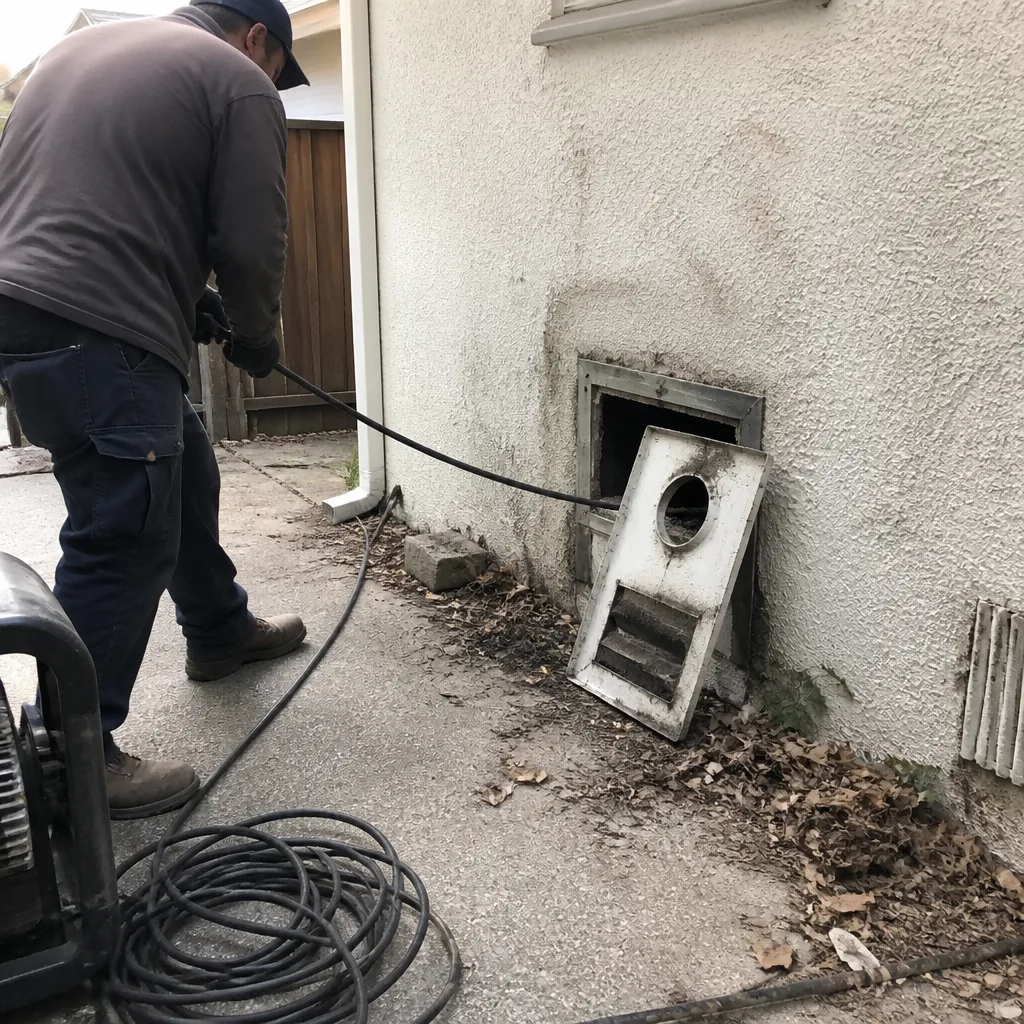 Before
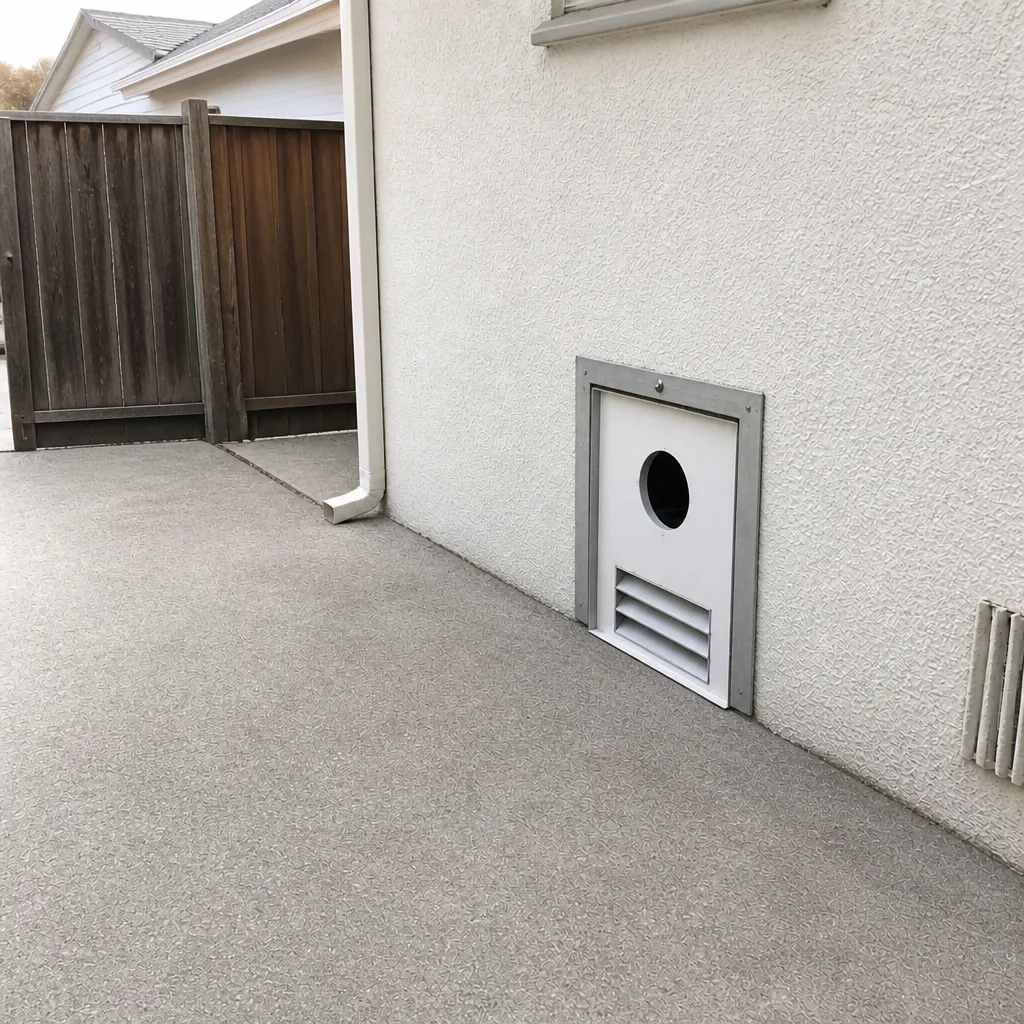 After
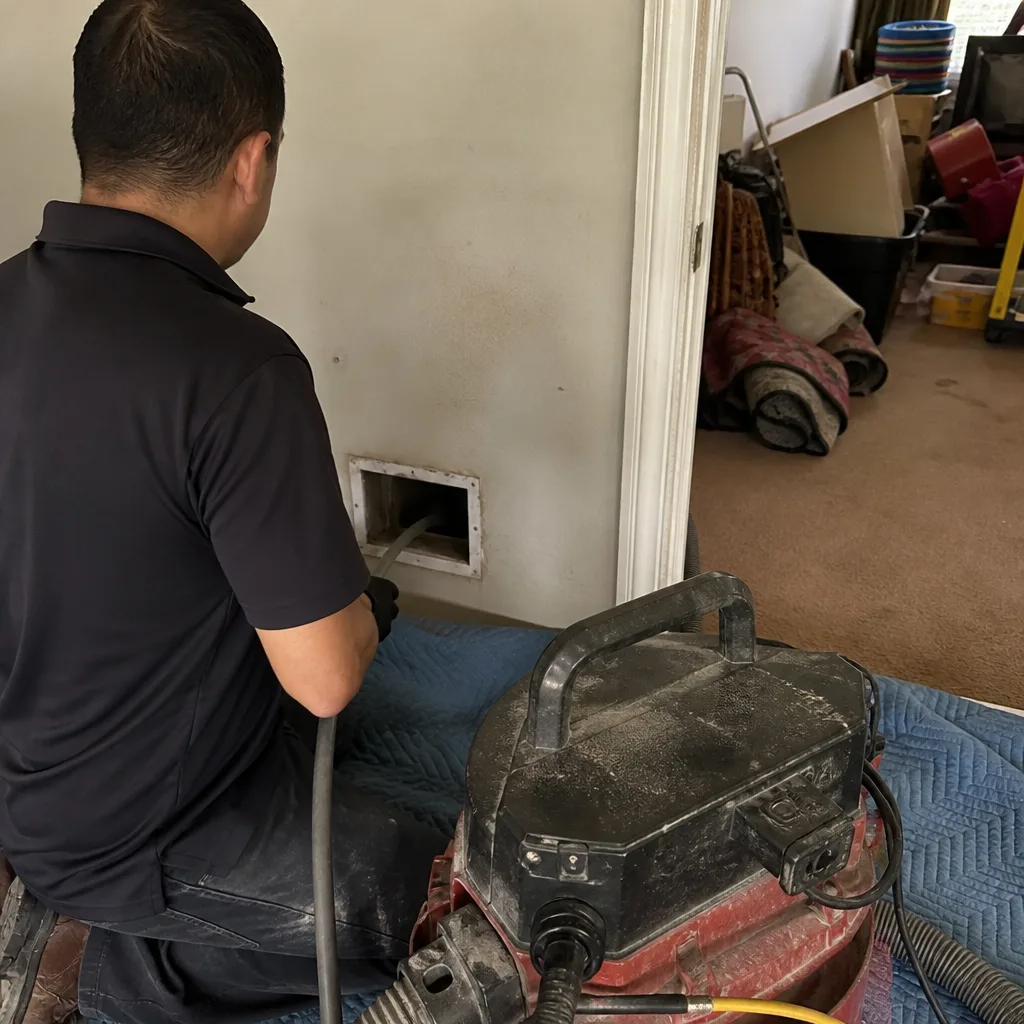 Before
 After
 Before
 After