
Last updated November 4, 2026
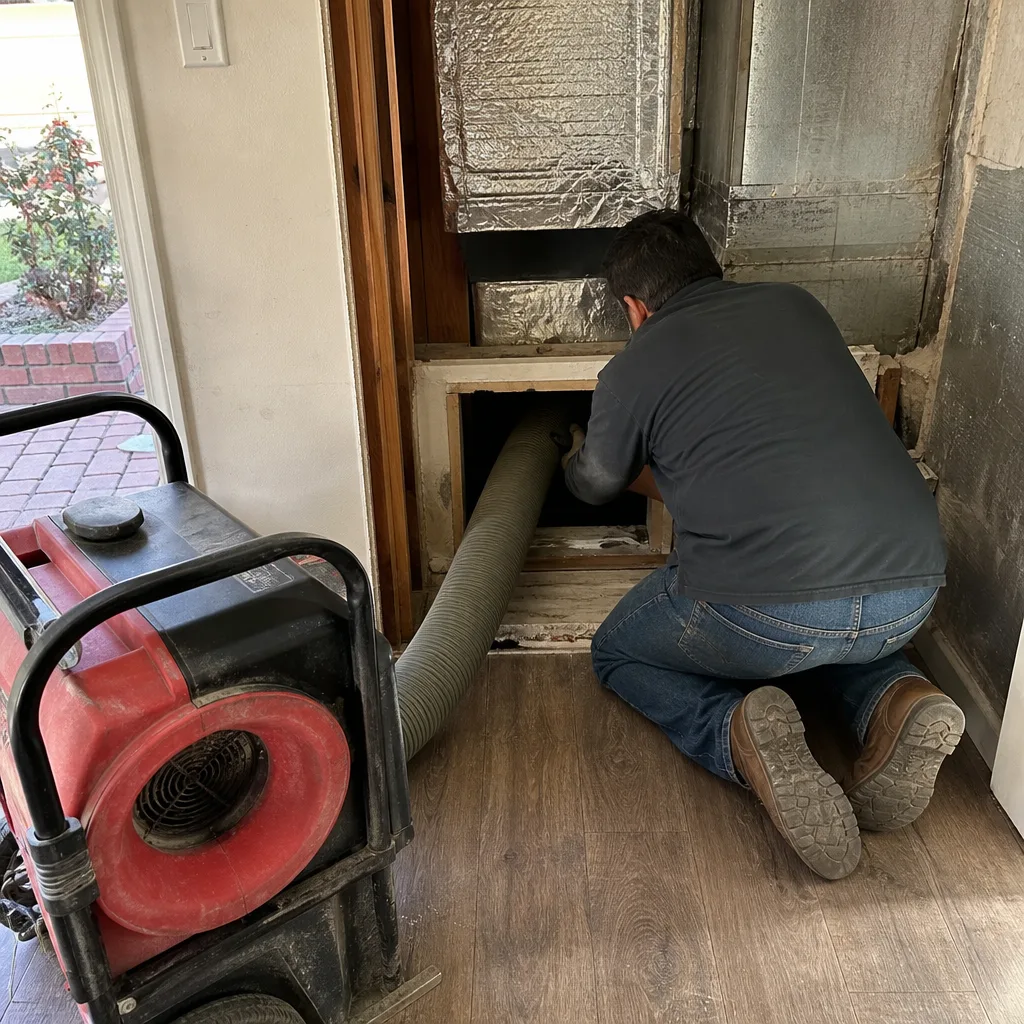
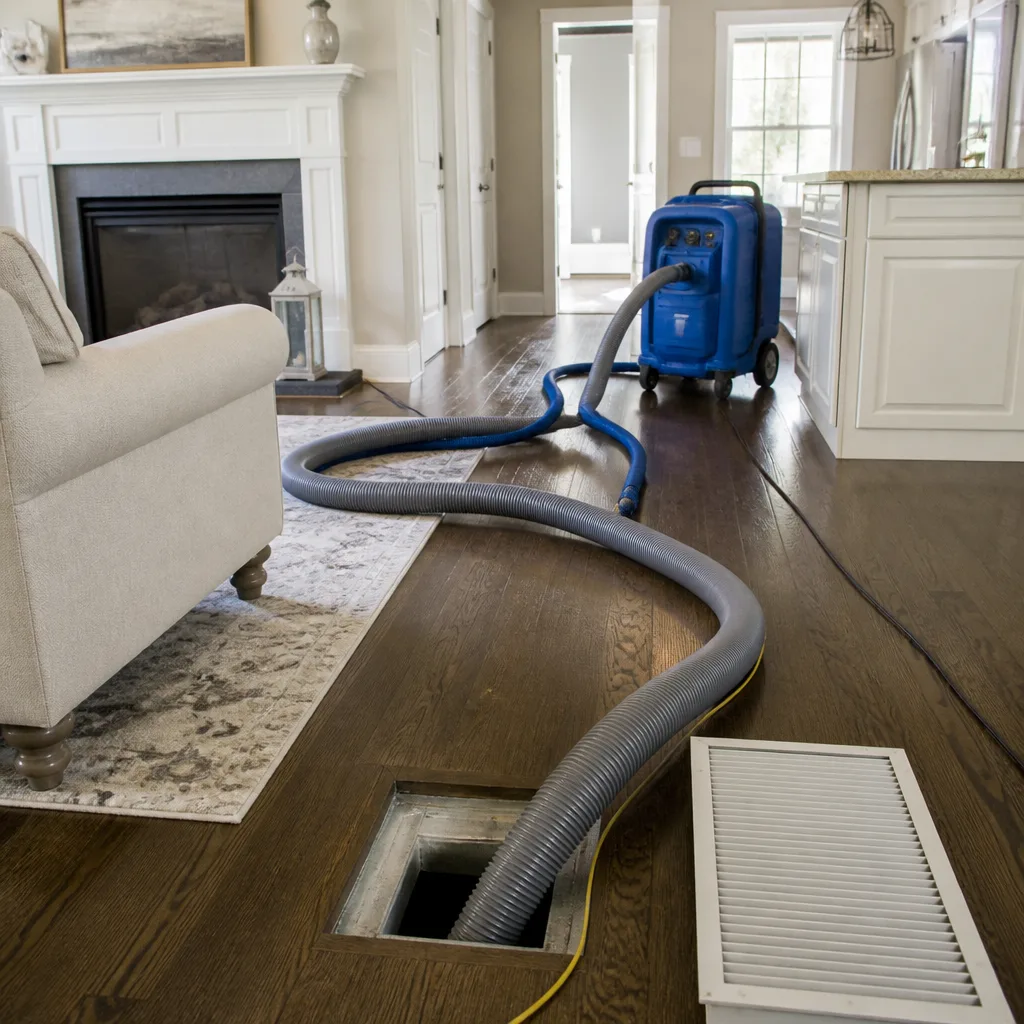 Whole-home duct cleaning
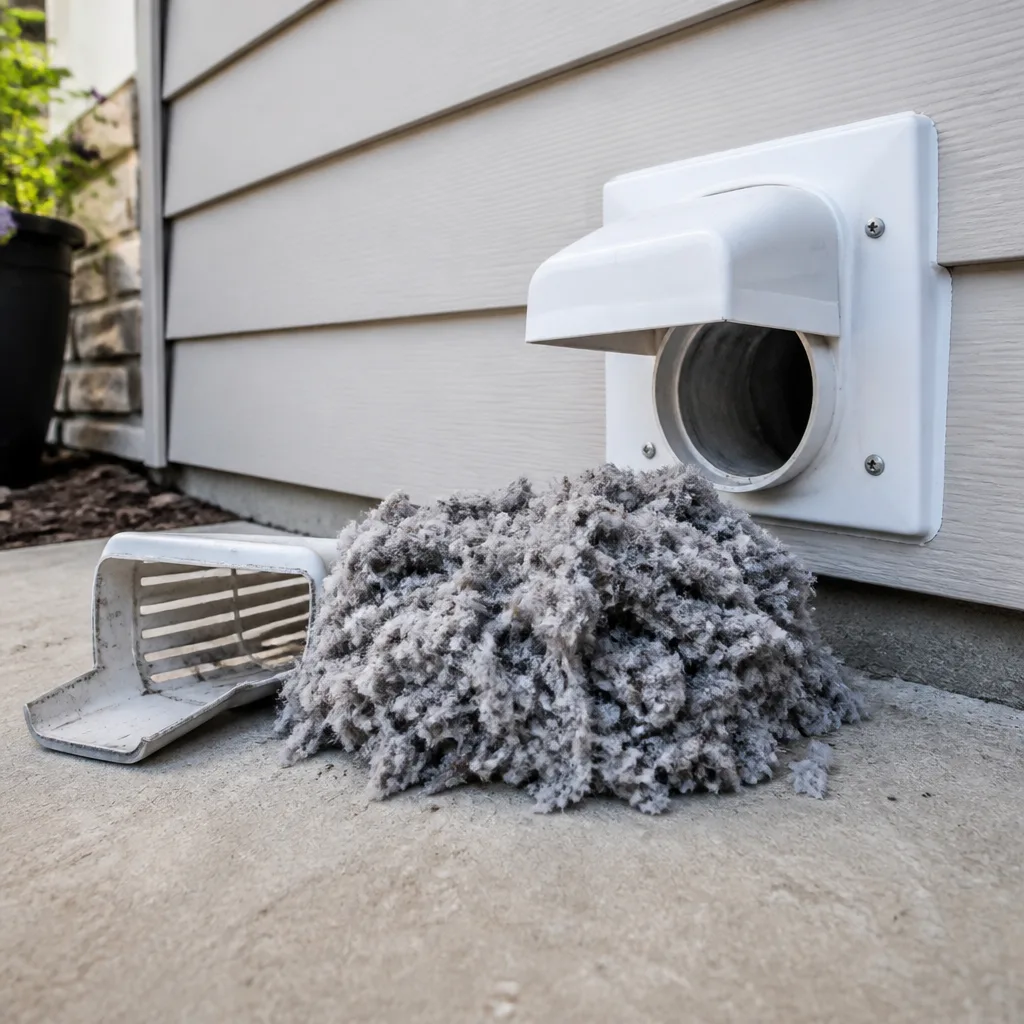 Dryer vent cleaning
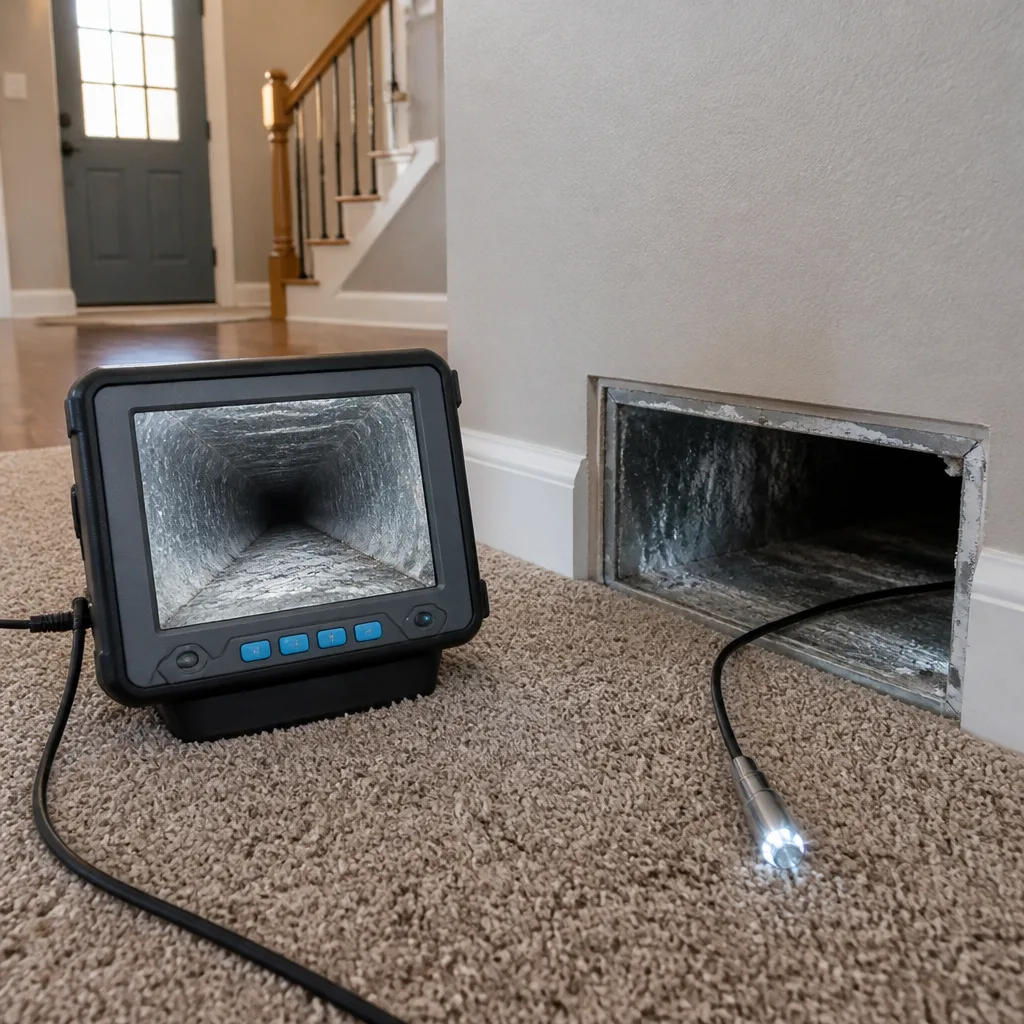 Camera inspection
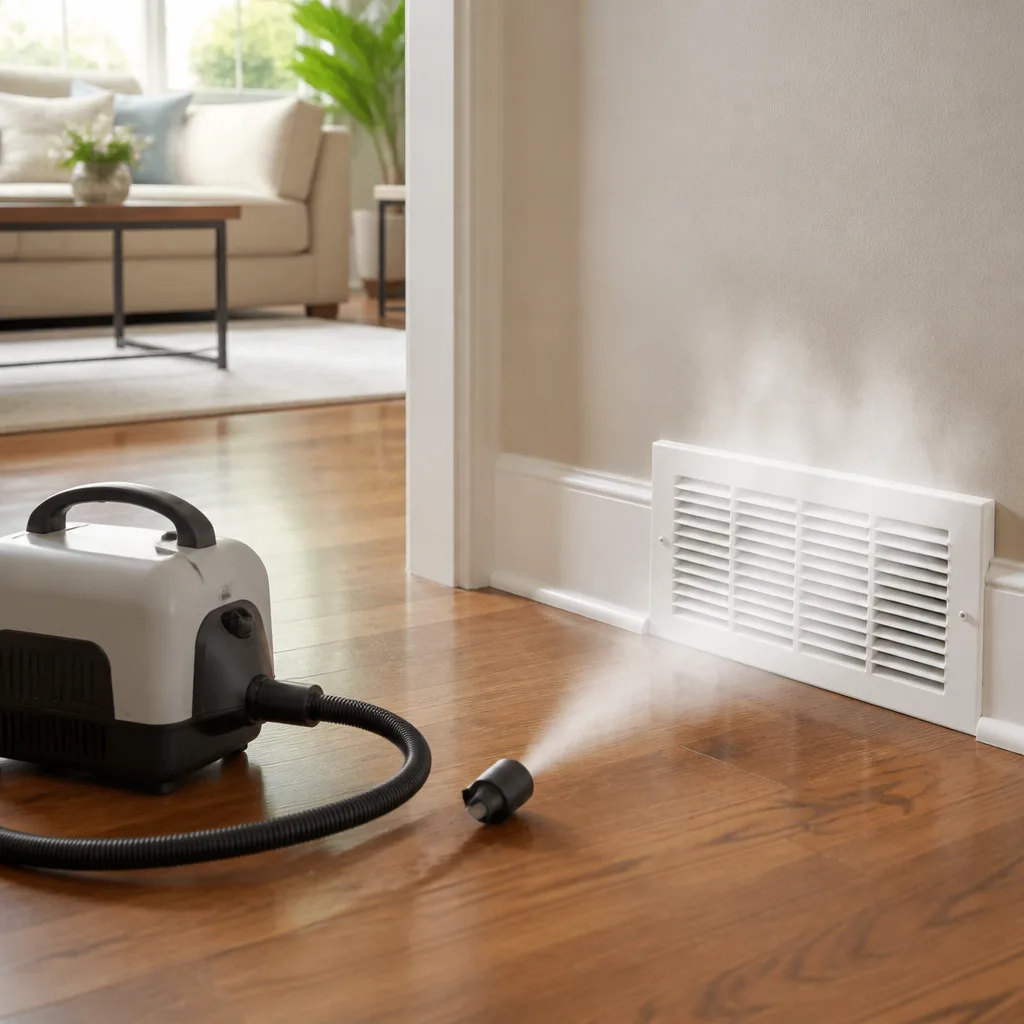 Sanitizing & deodorizing
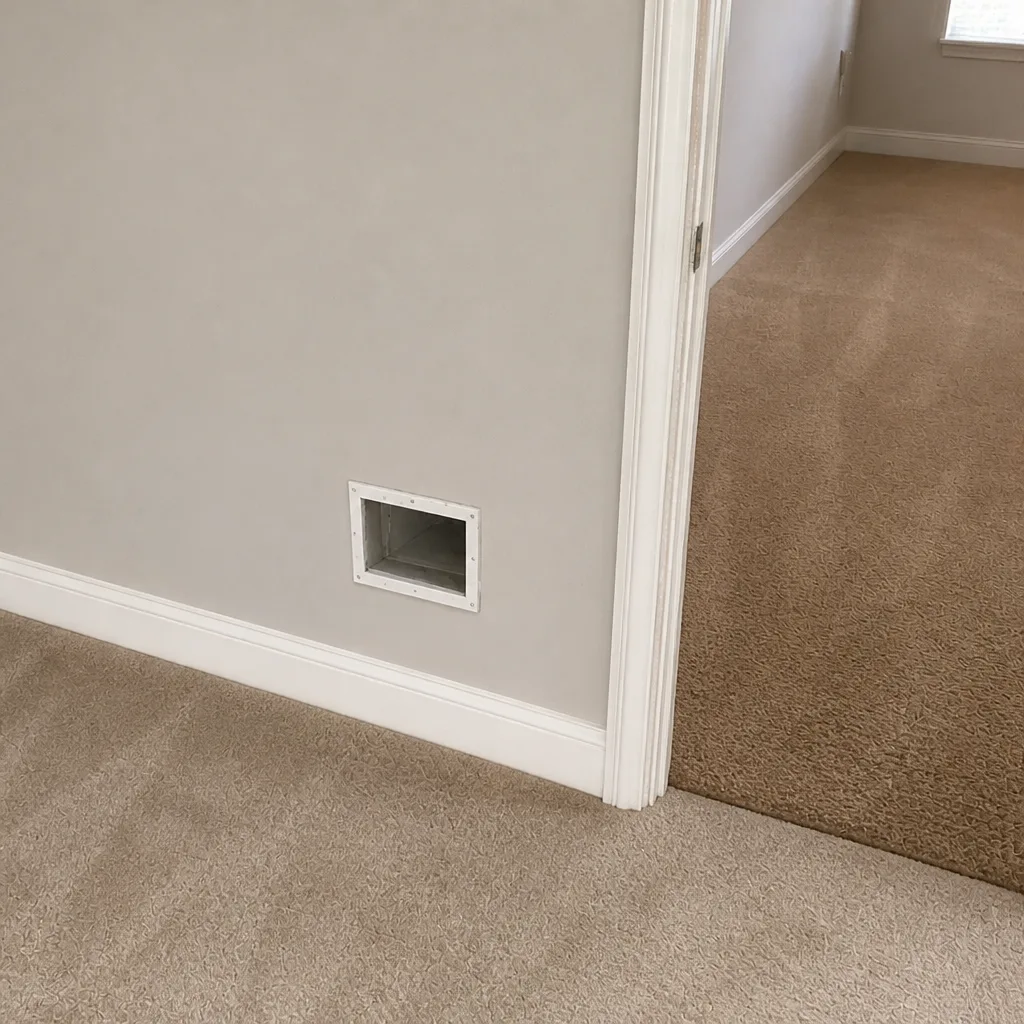
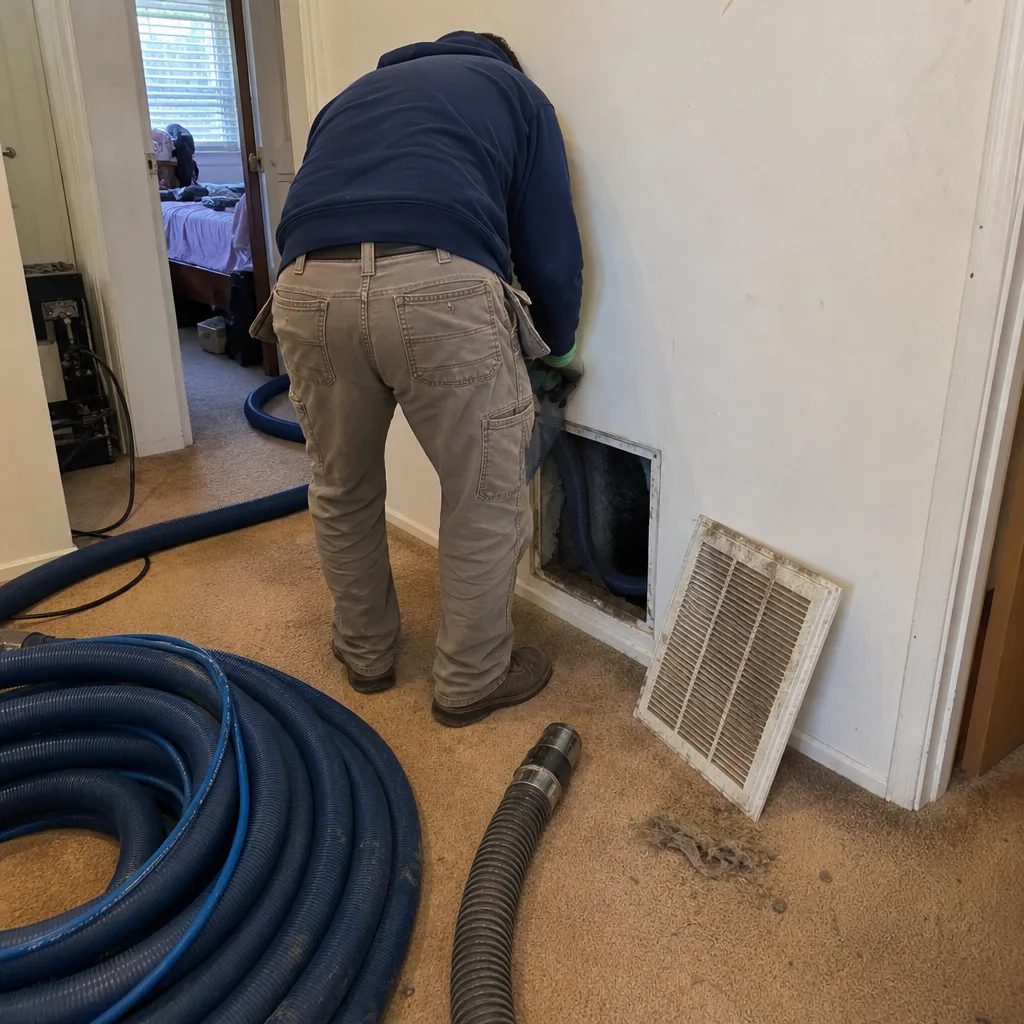
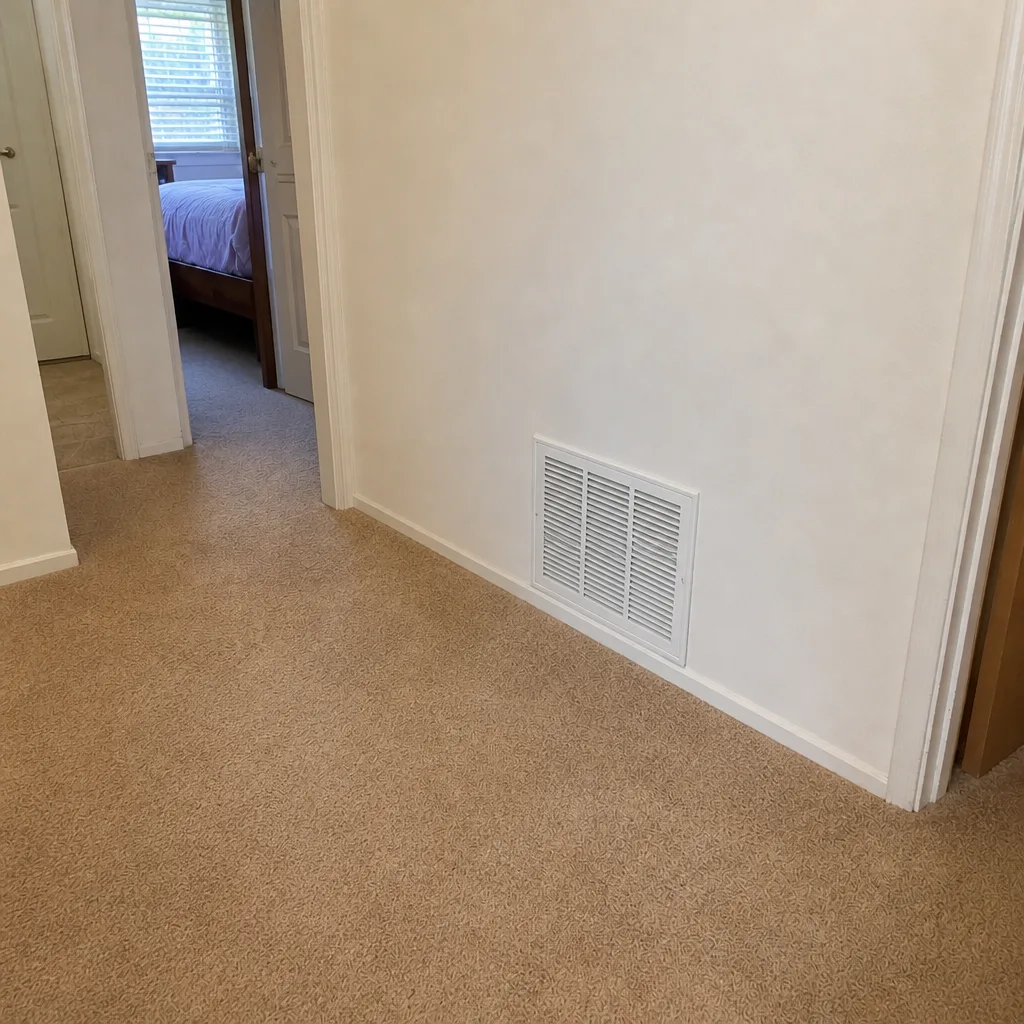
Whole-system duct and dryer vent check with before-and-after photos - you see exactly what came out of your vents
That "$99 whole-house special" is a bait ad - the real number appears once they are in your hallway, or the "clean" is a shop-vac at the register. We photograph the inside of your ducts before and after instead.
DIY vs Professional Air Duct Cleaning: The Arden-Arcade Homeowner’s Decision Guide
Most homeowners assume the difference between DIY and professional duct cleaning comes down to elbow grease. You scrub, you vacuum, you save a few hundred dollars. But the actual limiting factor isn’t effort. It’s physics. A consumer shop vac pulls somewhere between 80 and 150 CFM of airflow. Professional negative-air systems used by Copper Air Duct Cleaning generate thousands. That gap – not willingness, not technique – determines what actually leaves your ductwork and what stays behind. This guide walks you through the mechanical realities of duct cleaning in Arden-Arcade, what a homeowner can legitimately handle, and where the DIY approach quietly works against you. By the end, you’ll know exactly which parts of the job are safe to attempt and which parts will cost you more if you try.
Styles & brands we work with
- Whole-home duct cleaning
- Dryer vent cleaning
- Camera inspection
- Sanitizing & deodorizing
Quick Answer
DIY air duct cleaning can handle the first 12-18 inches of a supply register and the register boot itself, but it cannot extract debris from deep duct runs because consumer vacuums lack the CFM and negative pressure that professional source-removal systems generate. For most Arden-Arcade homes with runs of 15-40 feet and older flex duct, a professional cleaning is the only method that actually removes accumulated debris rather than redistributing it. The question isn’t whether you can clean your ducts at all, but whether what you’re doing removes contamination or just relocates it within the system.
Table of Contents
- The Real Difference: What Professional Equipment Does That Yours Can’t
- What a Homeowner Can Legitimately Do Between Professional Cleanings
- The Physics of Negative-Pressure Source Removal
- Why Arden-Arcade Homes Make DIY Duct Cleaning Higher-Risk
- When DIY Duct Cleaning Backfires: The Cost of Redistributed Contamination
- Cost Comparison: DIY vs Professional in Arden-Arcade
- What to Expect From a Professional Cleaning in Arden-Arcade
- Common Mistakes to Avoid
- When to Call a Professional
- Frequently Asked Questions
- The Bottom Line
The Real Difference: What Professional Equipment Does That Yours Can’t
The gap between DIY and professional air duct cleaning isn’t a matter of effort. It’s a matter of airflow, suction capacity, and containment. A shop vac connected to a brush kit will agitate debris near the register opening. But most of that debris stays suspended in the duct or falls deeper into the run when airflow stops. The vacuum simply can’t pull hard enough, from far enough away, to capture it.
Professional systems solve this with three components working together. First, source-removal tools physically agitate debris from duct walls. Rotobrush equipment is built for exactly this: rotating brush heads that scrape the duct interior while simultaneously extracting loosened material. Most consumer brush kits do the scraping part, but the extraction happens through a weak vacuum with a short reach.
Second, high-CFM extraction. Nikro industrial vacuum systems move thousands of cubic feet of air per minute. This creates the negative pressure that actually pulls debris from 20, 30, even 40 feet away. A household vacuum can’t do this because it doesn’t generate enough suction velocity at distance. Think of it like trying to drink a milkshake through a 40-foot straw versus a 6-inch straw. Same effort, completely different result.
Third, containment. Abatement Technologies negative-air gear establishes a sealed environment where loosened debris is captured inside the system rather than escaping into the living space. This matters in Arden-Arcade homes where duct runs pass through tight attic spaces and older flex duct can have small gaps or loose connections. Without containment, the act of cleaning can push contaminants into rooms rather than removing them.
What this means practically: a professional cleaning changes the air pressure inside your entire duct system. The ductwork becomes a controlled environment where everything gets pulled toward the collection point. A DIY effort creates turbulence, not extraction. Debris loosens, moves, and settles back down in a different spot. You may have cleaner-looking register boots, but the duct runs themselves are unchanged.
What a Homeowner Can Legitimately Do Between Professional Cleanings
You’re not helpless between professional visits. There are specific maintenance tasks that genuinely help and don’t require commercial equipment. The key is understanding what these tasks accomplish and where their limits are.
1. Register and grille cleaning
Remove the supply and return registers from the wall or floor. Wash them with warm water and mild dish soap. Vacuum the register boot as far as your hose will reach. The first 12-18 inches of a duct run is accessible with a standard shop vac and brush attachment. This removes surface debris, visible dust accumulation, and pet hair that collects near the opening. It improves airflow at the point where air enters your room. It does not clean the rest of the run.
2. Filter management
Check your HVAC filter every 30 days during cooling season, which in Arden-Arcade runs roughly April through October. Replace it when it looks gray or clogged, regardless of the manufacturer’s stated replacement interval. Homes with pets, open windows, or ongoing construction nearby may need replacement more often. A clean filter reduces the amount of new debris entering the system. It doesn’t remove what’s already accumulated on duct walls.
3. Visual inspection of accessible duct sections
If you have exposed ductwork in a garage, utility closet, or unfinished basement area, you can inspect it. Look for visible dust accumulation, discoloration, or gaps at connections. Run your hand along the exterior – if you feel air escaping at a seam, that connection has failed and needs repair. You can note these issues for a professional. Attempting a repair without knowing the duct material and the right sealing method can make the problem worse.
4. Supply register airflow check
Hold a tissue near each supply register while the system runs. If the airflow is noticeably weaker in certain rooms than others, your duct system may have blockages, disconnections, or collapsed sections. This is a diagnostic observation, not a fix. Note which rooms feel weak, and mention it when you schedule a professional cleaning. The technician will use that information to target specific runs.
What you can’t do: remove debris from the middle of a duct run, clean the inside of flexible duct without risking damage, repair a failed connection, replace damaged duct sections, or clean the main supply trunk line. Those tasks require equipment and access that homeowners don’t have.
The Physics of Negative-Pressure Source Removal
Negative-pressure source removal is the industry term for what professional equipment does. It’s worth understanding the mechanics because they explain why brush design matters less than airflow capacity, and why “agitation without extraction” is a net negative for your system.
Negative pressure means the air pressure inside the duct is lower than the air pressure outside it. This causes air to flow toward the vacuum source, carrying loose debris with it. Professional systems achieve this by sealing off the section being cleaned and connecting a high-CFM vacuum. CFM stands for cubic feet per minute – the volume of air moved, not just the speed. A high CFM rating means the vacuum moves enough air volume to carry heavier particles like pet hair, construction dust, and debris out of the duct entirely.
A shop vac might claim a high CFM rating on paper, but that number is measured at the source with no hose attached. Once you add a 20-foot hose and a brush attachment, the effective CFM drops dramatically. The airflow restriction is simply too great. The brush may spin and dislodge debris, but the vacuum can’t move it out of the duct. The loosened debris settles back down or gets pushed deeper by turbulence.
Rotobrush equipment addresses this by combining agitation and extraction in the same tool. The rotating brush head dislodges debris from duct walls while the high-CFM vacuum pulls it out immediately. Debris doesn’t get a chance to resettle. The brush does its work inside the airflow stream, not ahead of it.
The containment piece matters more than most homeowners realize. When professional equipment creates negative pressure, any gaps or weaknesses in the duct system become points where outdoor air gets pulled in, not where debris gets pushed out. Debris is captured at the vacuum end. In a DIY cleaning, the airflow pattern is reversed in practical terms: you’re pushing debris around with a rotating brush, and the weak vacuum creates eddies that scatter it. The debris you dislodge near the register may end up further down the run, closer to the air handler, where it’s even harder to remove.
For Arden-Arcade homes, this is especially relevant because many were built when flexible duct was the standard installation method. Flex duct has a ribbed interior that traps debris differently than smooth sheet metal. Debris settles into the ridges and requires both agitation and strong airflow to remove. Professional source-removal is designed for exactly this challenge. Consumer brushes tend to skip over the ridges or push debris along them.
Why Arden-Arcade Homes Make DIY Duct Cleaning Higher-Risk
Arden-Arcade has a specific housing stock that changes the DIY calculus. This isn’t true of every community. It’s a function of when and how homes were built here, and what that means for duct systems four decades later.
Many homes in Arden-Arcade were built between the 1950s and 1980s. Duct systems from that era were often installed with materials and methods that haven’t aged well. Flexible duct with a plastic or foil exterior, supported by straps instead of rigid hangers, and connected with tape that dries out and fails. HVAC systems that have been replaced one or more times, but ductwork that’s original. Tight attic spaces where ducts are squeezed between joists and roofing nails, making access genuinely difficult.
What this means for a DIY attempt:
- Flex duct in older Arden-Arcade attics is often brittle from decades of heat exposure. A rotating brush that’s slightly too aggressive can tear the inner liner. You won’t know you’ve done it until you see dust blowing from the tear or your cooling bill spikes.
- Duct connections that have been held together with aging tape can fail when disturbed. A brush passing through pulls the connection loose. Now you have an actual air leak you didn’t have before.
- Attic access is a safety challenge. Older Arden-Arcade homes have steep roof pitches and limited attic entry points. Dragging a shop vac, hoses, and brush kit into one is physically demanding and, depending on where the ducts sit, genuinely hazardous. Falls through drywall, contact with electrical wiring, and heat stress in a sealed attic are real risks.
- Friable insulation in older flex duct can become airborne if disturbed. The inner liner of older flex duct sometimes breaks down and the insulation particles mix with the air stream. Aggressive brushing can make this worse, releasing insulation into your living space.
This isn’t a warning against duct cleaning. It’s an argument for choosing the right method for the housing stock. Professional air duct cleaning in Arden-Arcade accounts for these conditions. A technician who’s worked in these attics knows what to expect: brittle flex duct, failed connections, tight spaces. The job becomes both cleaning and inspection, with the experience to identify what’s fragile before the equipment goes in.
When DIY Duct Cleaning Backfires: The Cost of Redistributed Contamination
The most expensive outcome of a DIY attempt isn’t the time you spend. It’s what happens when you don’t get the debris out and it ends up worse-positioned than before.
Here’s the sequence we see in Arden-Arcade homes. A homeowner buys a brush kit, attaches it to a drill, and runs it through several supply registers. The brush dislodges dust, pet hair, and construction debris from the first few feet of each run. The shop vac captures some of it. The rest gets pushed forward by the airflow pattern or simply settles back down. The homeowner sees some dust in the shop vac and assumes it worked.
What actually happened: debris moved from the accessible portion of the run to the midpoint or far end, where the supply branch connects to the main trunk line. That debris is now positioned closer to the blower motor and evaporator coil. During the next cooling season, some of it breaks free and gets pulled through the coil, reducing system efficiency. Some of it stays. The next professional cleaning now has to work harder to extract debris that was within reach before the DIY attempt pushed it deeper.
In some cases, the DIY attempt dislodges a duct connection. The brush catches the edge of a section of flex duct that’s been hanging loose for years, and the connection fails. Now the system is pulling attic air through the gap. That air is hot in the summer, dusty, and unfiltered. Your system works harder, cools less effectively, and pulls debris directly from the attic into your living space. The fix requires duct repair – reconnecting the section and sealing it properly.
This is where the “savings” from DIY evaporates. A professional cleaning that would have been straightforward now requires additional diagnostic work to locate the failure, plus the repair itself. The total cost exceeds what a professional cleaning would have cost in the first place.
There’s also the filter system to consider. Honeywell and Aprilaire filtration systems are common in Arden-Arcade homes. These systems are designed to capture fine particles that pass through a standard filter. But they can’t do their job if the upstream ductwork is loaded with debris. A DIY attempt that redistributes contamination puts extra load on these systems. The filter clogs faster. You replace it more often. You’re not changing the system; you’re changing how hard it works.
Cost Comparison: DIY vs Professional in Arden-Arcade
Let’s put numbers on it. The cost of a professional air duct cleaning in Arden-Arcade typically falls in a range that reflects home size, number of systems, and accessibility. A single-system home with standard ductwork is at the lower end. A larger home with multiple returns, older flex duct, and difficult attic access trends higher.
DIY costs
- Brush kit with drill attachment: $30-80
- Shop vac (if you don’t already own one): $60-150
- Extension hose and attachments: $20-50
- Total DIY investment: $110-280
That equipment can clean the first 12-18 inches of each supply run. It will not clean the main trunk line, the return side, or the deep sections of the supply branches. You’re paying for partial access.
Professional costs
- Full-system source-removal cleaning for a single HVAC system in Arden-Arcade: typically ranges based on system complexity, not per vent
- The written estimate is free, and the price is set before work begins
- The service includes the supply side, return side, main trunk line, and the equipment that DIY can’t reach
The comparison isn’t just dollar for dollar. It’s what the dollar buys. DIY buys partial access to the first three feet of each run. Professional cleaning buys access to the entire system, including the sections you’ll never reach on your own. If the goal is cleaner air throughout the home – not just cleaner register covers – then the professional service is the only option that actually achieves it.
The other cost consideration is the repair question. If your duct system has a failed connection, a collapsed section, or damage that needs repair, no amount of DIY cleaning fixes it. You need someone who can diagnose the problem and physically repair the ductwork. That’s a separate service from cleaning, but in Arden-Arcade homes with aging flex duct, it’s often needed. The cleaning identifies the problem; the repair fixes it. A company that offers both can handle the full job in one visit.
What to Expect From a Professional Cleaning in Arden-Arcade
When you schedule a professional air duct cleaning with Copper Air Duct Cleaning, you get a process built on source removal and verified results, not a quick vacuum pass. Here’s what the service looks like from the homeowner’s perspective.
Step 1: System walkthrough and estimate
The technician inspects your system – furnace or air handler location, return and supply layout, duct material, accessibility, and any visible concerns. You receive a written estimate before work begins. The price is per job, set by what the technician sees, not a phone guess.
Step 2: Negative-air setup
Professional equipment is set up to create negative pressure within the duct system. This typically means connecting a high-capacity vacuum to the duct system at a strategic point, often at the main supply trunk or air handler. The vacuum runs throughout the cleaning, pulling air through the system and capturing debris at the collection point.
Step 3: Source-removal cleaning
Using rotary brush equipment, the technician agitates debris from duct walls in each supply run, the return side, and the main trunk line. The brush and extraction work together: what the brush loosens, the airflow carries out. This is the stage where decades of dust, pet hair, construction debris, and whatever else has accumulated actually leaves the duct system.
Step 4: Verification
You should see the debris that came out of your system. Before-and-after photos of the duct interior are part of the service. If a section looks questionable or the technician suspects damage, you’ll be shown what was found. If repair is needed, you’ll get a clear explanation and a separate written estimate.
Step 5: Filter check
The technician confirms your filter is in good shape and notes the replacement size. If you have an Aprilaire or Honeywell filtration system, the technician can confirm it’s compatible with the cleaning work and functioning correctly at its access point. No filter replacement is included unless you ask, but you’ll know exactly what to buy next.
The entire process typically takes several hours for a single system home. Larger homes or systems with significant buildup take longer. The technician’s goal isn’t speed – it’s confirmed extraction, documented, so you know what was done.
Common Mistakes to Avoid
- Using a leaf blower to “blow out” the ducts. This seems clever but it’s the opposite of source removal. A leaf blower pushes debris toward the registers and directly into your living space. The debris exits the registers as a cloud of dust, which is precisely what you were trying to eliminate. In Arden-Arcade’s older flex duct, a leaf blower’s pressure can also separate older connections.
- Running a brush through flex duct without knowing its age. Flex duct that’s been in an Arden-Arcade attic for 30 or 40 years has been baked by summer heat. The inner liner can tear with surprisingly little force. A brush that works fine in a newer home can shred brittle older flex duct without warning.
- Vacuuming only the registers and calling it done. The register opening represents about 5% of the total duct surface area. Cleaning it does not clean the other 95%. You feel good about the visible result while the duct runs remain loaded with material.
- Ignoring the return side. Many DIY attempts focus on supply registers because they’re visible in each room. The return side often carries more contamination – it draws unfiltered air from your home’s living spaces, including every dust mote, pet hair, and cooking particle. Leaving the return side uncleaned means you’re pulling air through that debris on every cycle.
- Assuming a clean filter means clean ducts. A clean filter means the filter is doing its job. It doesn’t mean the upstream ductwork is clean. Debris settles in ducts because airflow slows there. The filter can be pristine while the duct runs are lined with material.
- Attempting a repair with household tape. Duct tape, masking tape, or whatever is in the junk drawer won’t seal a duct connection. Duct systems need mechanical fasteners and proper sealing, especially in Arden-Arcade attics where temperatures swing from near-freezing in winter to well over 120 degrees in summer. Household tape fails quickly, and the leak returns worse than before.
- Putting off dryer vent cleaning because the dryer still works. Lint buildup is a leading cause of residential fires. The dryer runs fine right up until the vent becomes restricted enough to cause overheating. A dryer that’s taking longer to dry clothes is already telling you something. Cleaning the vent is a separate service from air duct cleaning, and it addresses a different risk entirely.
When to Call a Professional
Some situations are clearly outside the DIY range. If you see visible dust blowing from your registers when the system starts, there’s accumulated debris in the duct runs or a failed connection. If some rooms are noticeably warmer than others during cooling season, the airflow is compromised. If you’ve heard rodents or other animals in your attic near the ductwork, the ducts may be contaminated in ways no brush kit can address. If your home has been through renovation with drywall dust, that fine powder settles deep into duct runs and requires high-CFM extraction to remove. And if you suspect any duct damage – disconnections, collapsed flex duct, torn liners – that’s a repair issue, not a cleaning one. Copper Air Duct Cleaning offers free estimates in Arden-Arcade. Call (833) 734-3714. We answer 24/7. Fast dispatch from 7am to 7pm, Sunday through Friday.
Frequently Asked Questions
Professional air duct cleaning in Arden-Arcade is priced per job, not per vent, and the final price depends on system size, duct accessibility, and the level of buildup. The written estimate sets the price before work begins, so there are no surprises once the technician is on site. Call (833) 734-3714 for a free estimate. We answer 24/7. Fast dispatch from 7am to 7pm, Sunday through Friday.
You can use a shop vac to clean the first 12-18 inches of each supply register and the register boot itself, but a shop vac cannot generate enough airflow to extract debris from deep duct runs. The CFM drops so dramatically with hose length that debris loosened near the register simply settles back down further into the system. Professional equipment operates at thousands of CFM through full-length hoses, which is what actually removes material from 20-foot and 40-foot runs.
Most homes in Arden-Arcade benefit from professional duct cleaning every 3-5 years, with more frequent service if you have pets, allergies, recent renovation work, or a home with older flex duct that traps more debris. The housing stock here matters: homes built from the 1950s through the 1980s often have duct systems that haven’t been serviced in decades. If you don’t know when the ducts were last cleaned, that’s worth checking.
DIY air duct cleaning appears to save money in the short term, but the equipment costs $110-280 and only reaches the first few feet of each supply run. If a DIY attempt dislodges debris deeper into the system or damages an older flex duct connection, the subsequent repair and re-cleaning cost more than a professional cleaning would have cost originally. The savings are real only if you count the equipment purchase and ignore the limitation of what it can actually do.
Source-removal air duct cleaning is a method that physically agitates debris from duct walls and simultaneously extracts it using high-capacity negative-air equipment. The key difference from simpler methods is that debris is removed from the system at the collection point, not loosened and left to resettle. Rotobrush equipment pairs a rotating agitation head with extraction, while Nikro vacuum systems provide the airflow volume needed to carry debris out through full-length hose runs.
You can clean the first few feet of your dryer vent with a brush kit, but most Arden-Arcade dryer vents run through walls or attics for 10-30 feet before exiting the home. A professional dryer vent cleaning reaches the full length of the vent with equipment built for that purpose. Lint buildup is a leading cause of residential fires, so a partial cleaning that leaves lint packed into the far end of the vent doesn’t reduce the risk the way a full clearing does.
Uneven airflow between rooms usually points to a duct system problem: a failed connection, a collapsed section of flex duct, a damper that’s stuck, or accumulated debris blocking a branch line. Arden-Arcade homes with original ductwork from the 1960s through 1980s commonly have these issues. A professional inspection during cleaning can identify the cause. Sometimes it’s a simple fix; sometimes a section of duct needs repair or replacement.
The Bottom Line
DIY air duct cleaning has a role, but it’s limited to the first 12-18 inches of each supply run. Deep duct runs, the return side, and the main trunk line require professional negative-pressure equipment that doesn’t exist in the consumer market. Arden-Arcade’s housing stock – older homes with aging flex duct and tight attics – makes the DIY approach riskier than in newer construction. The real decision isn’t whether to clean your ducts. It’s whether you want partial access or full extraction. If you want the job done thoroughly, with documentation of what was removed and the ability to repair what’s broken, call (833) 734-3714 for a free estimate. We answer 24/7. Fast dispatch from 7am to 7pm, Sunday through Friday.
Written by the team at Copper Air Duct Cleaning, serving Arden-Arcade since 2011.
See the difference
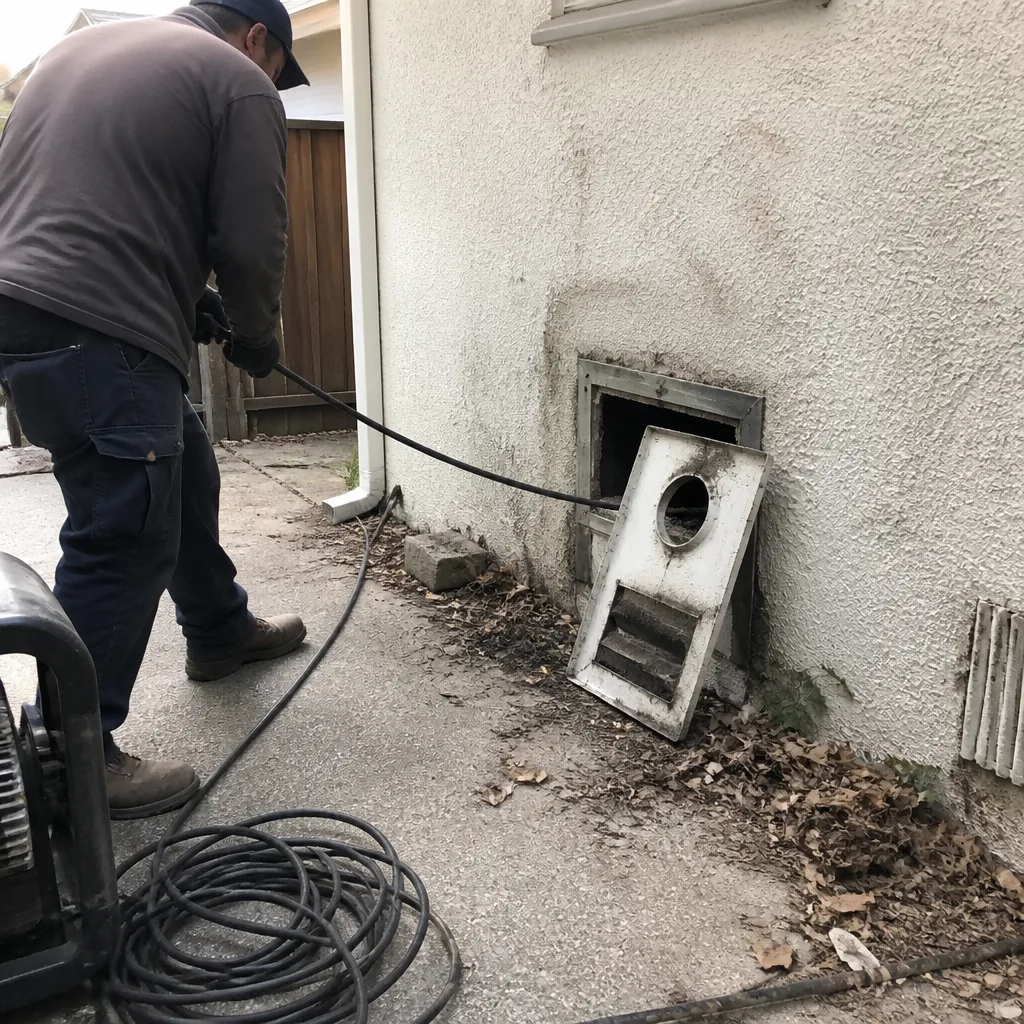 Before
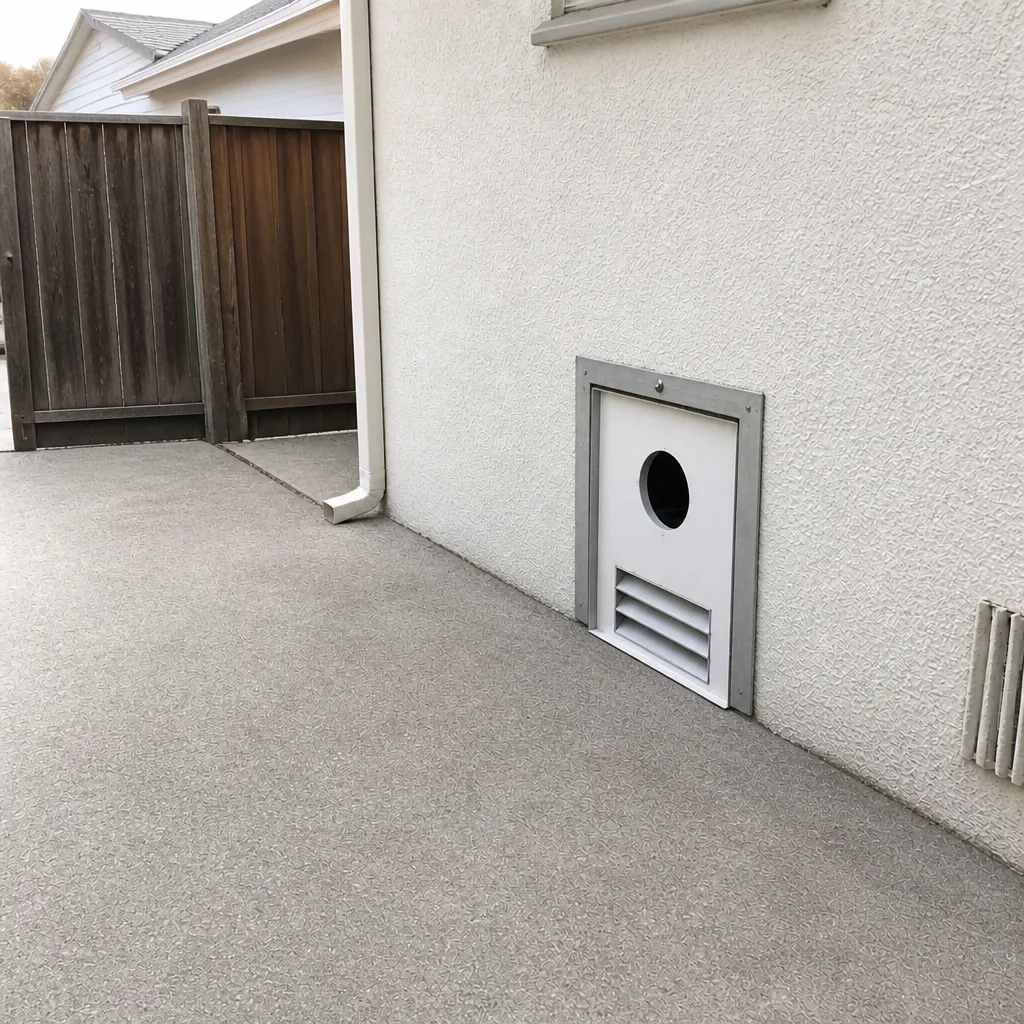 After
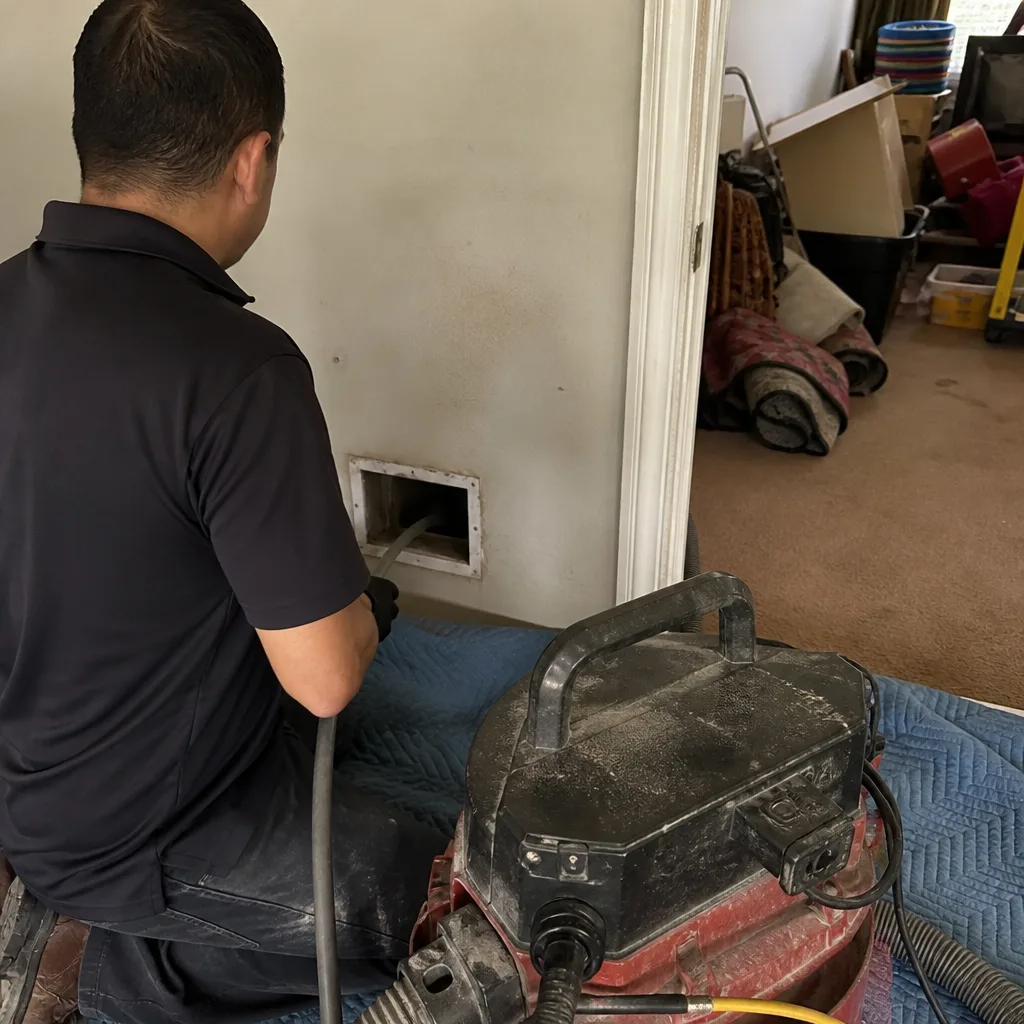 Before
 After
 Before
 After