
Last updated November 4, 2026
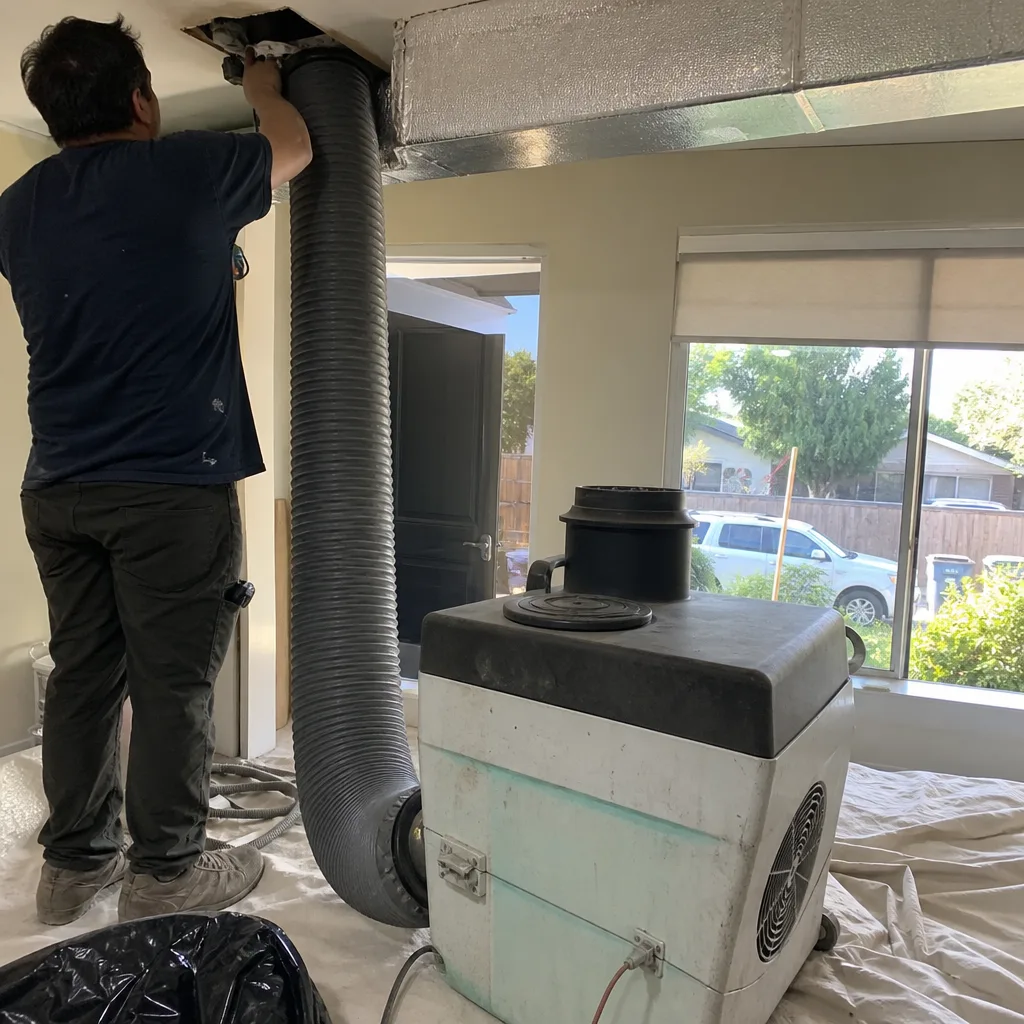
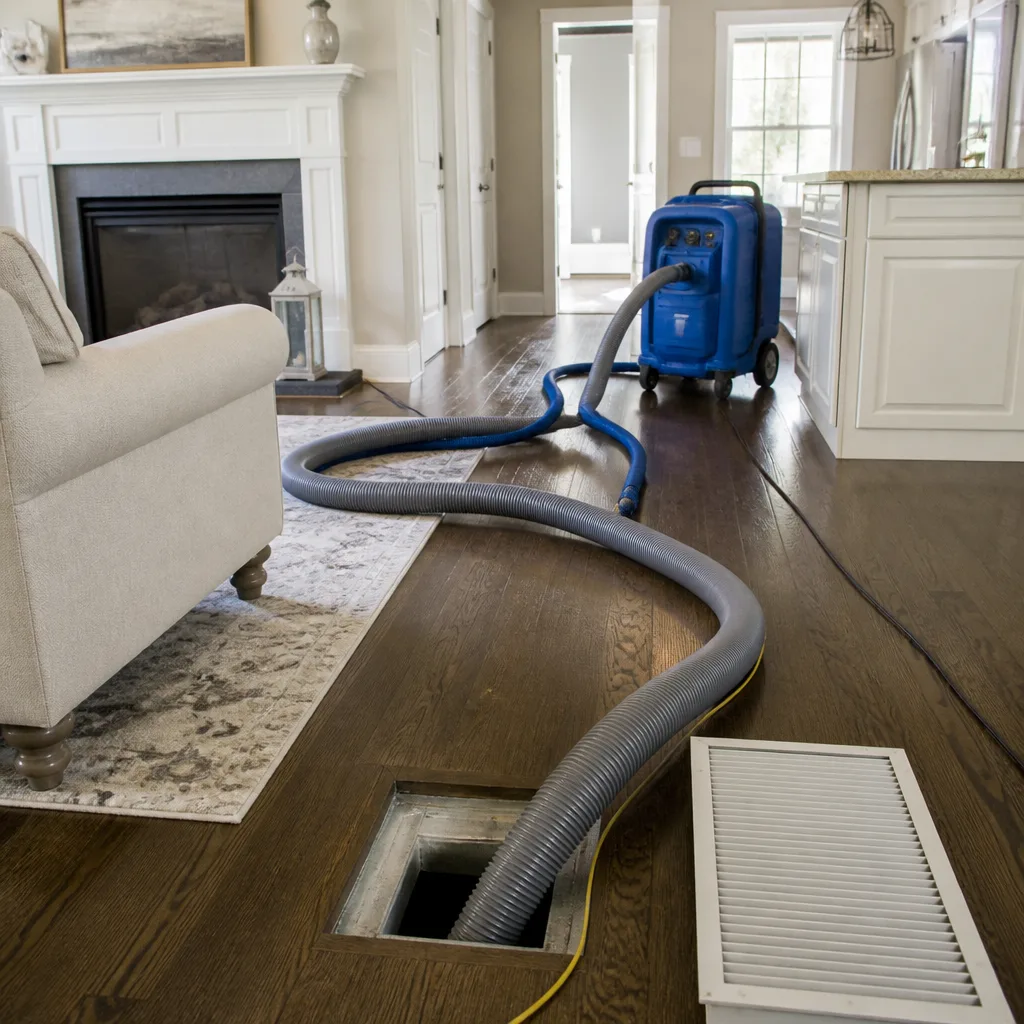 Whole-home duct cleaning
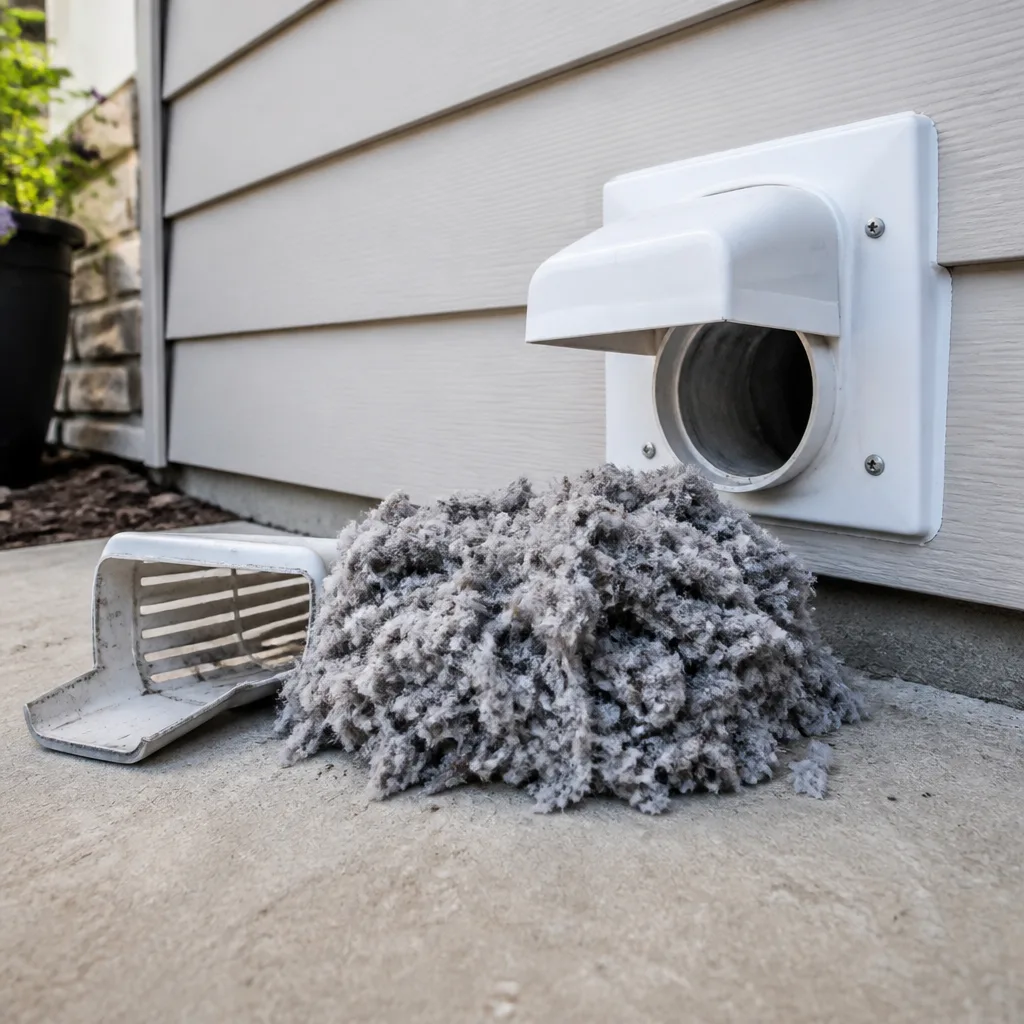 Dryer vent cleaning
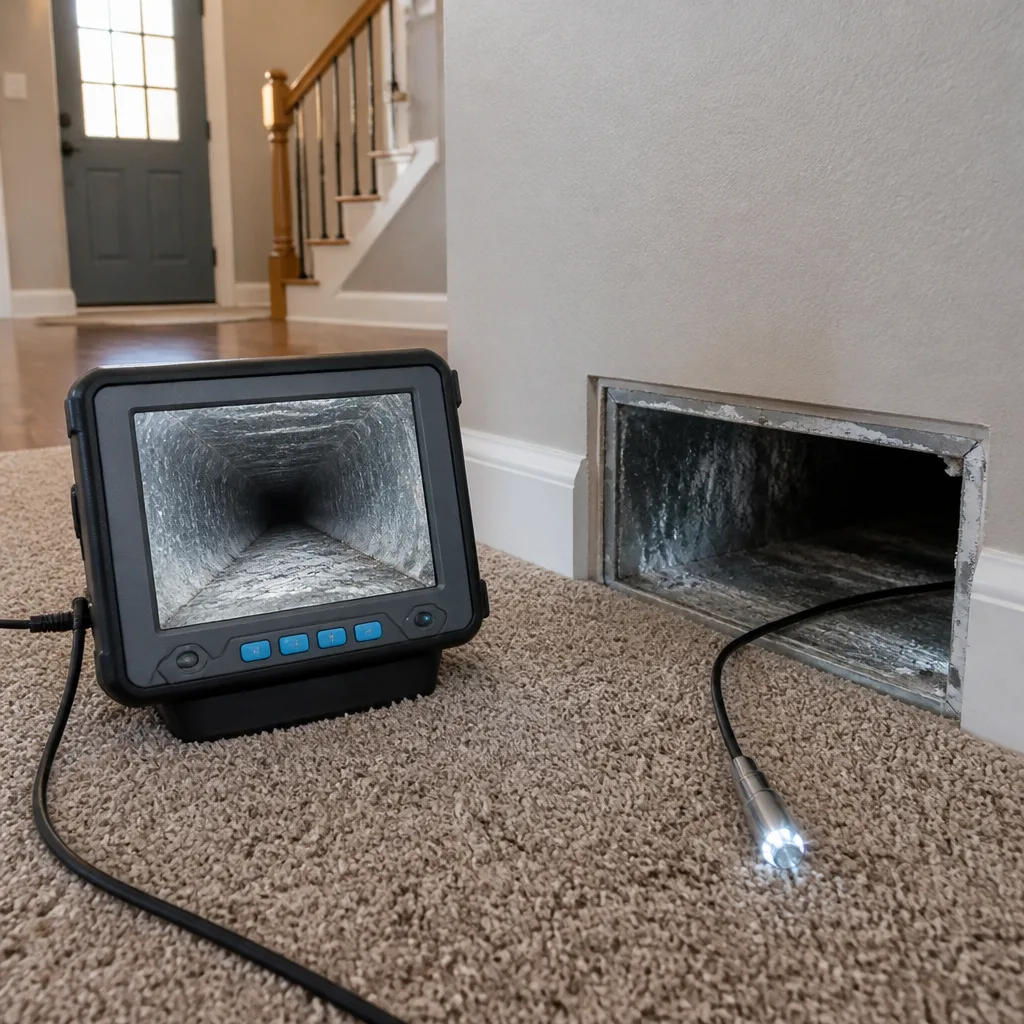 Camera inspection
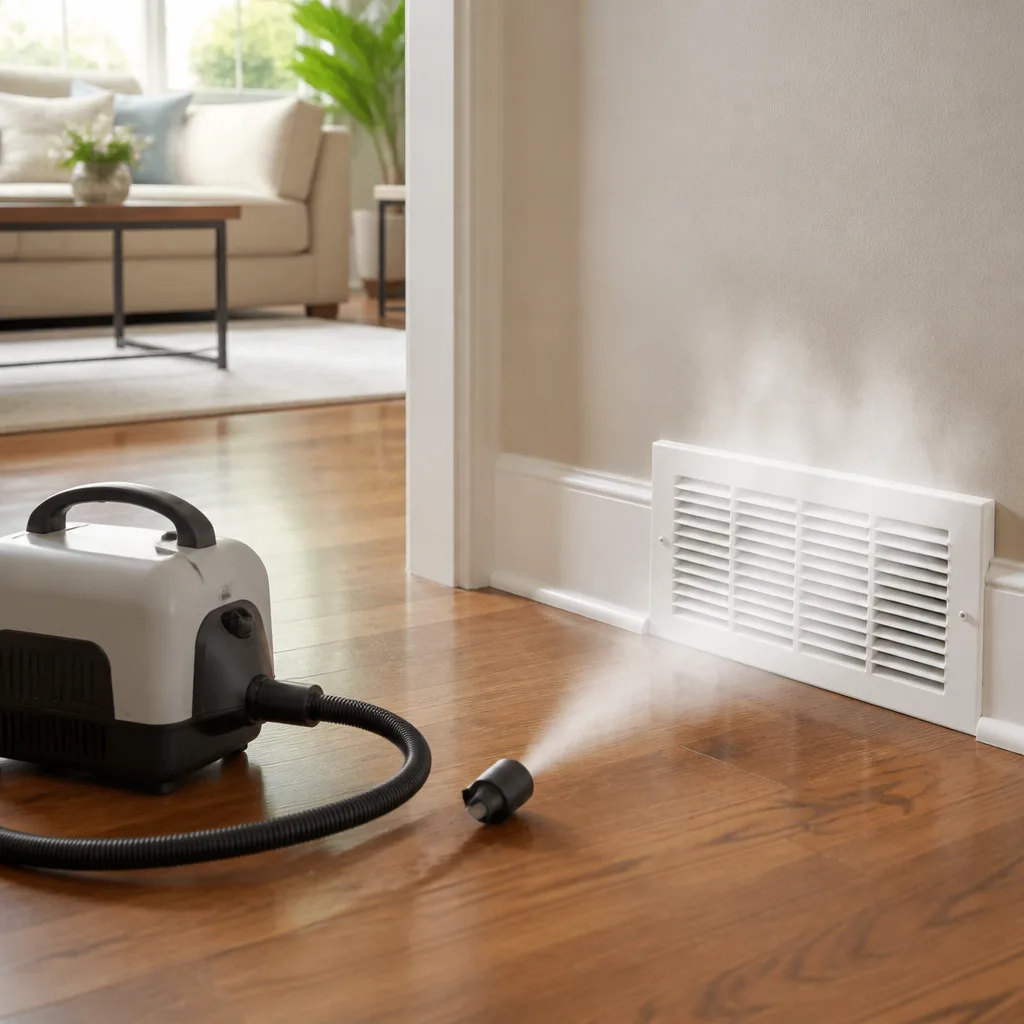 Sanitizing & deodorizing
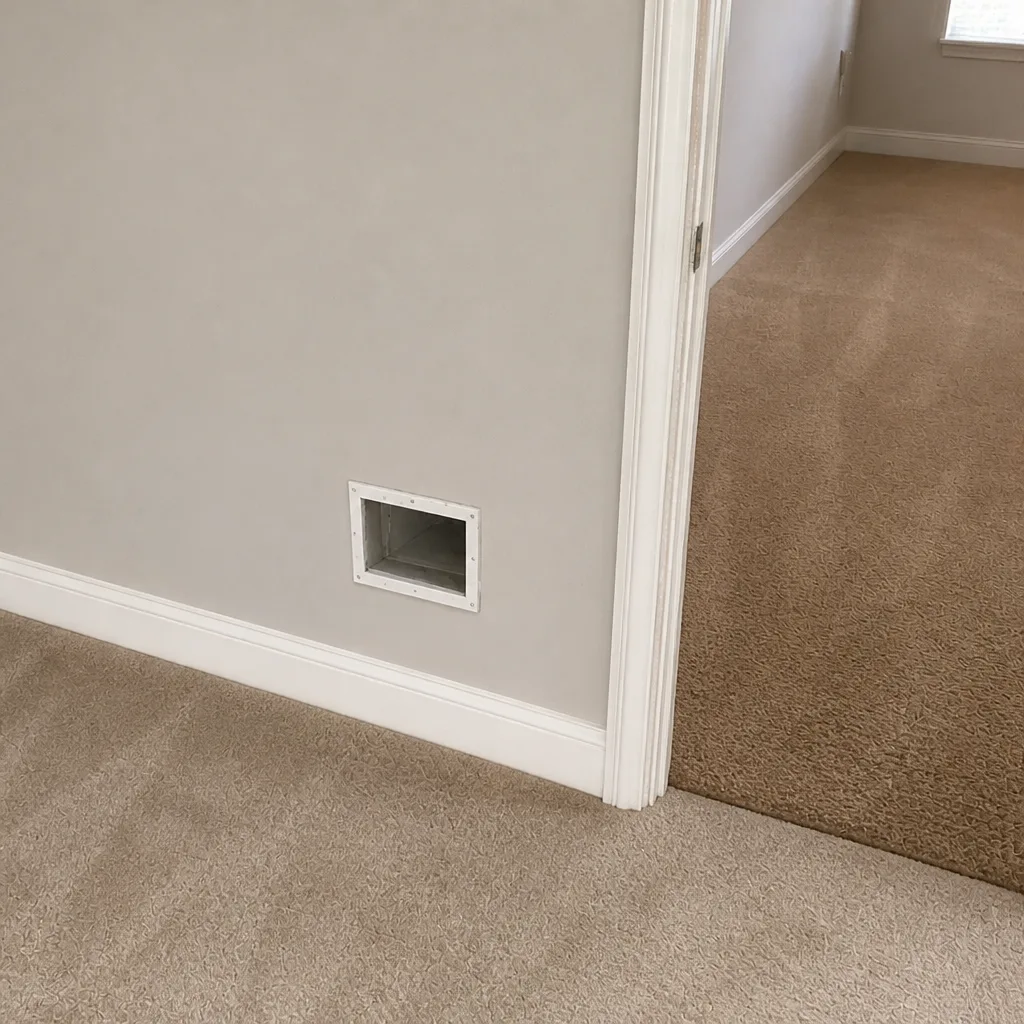
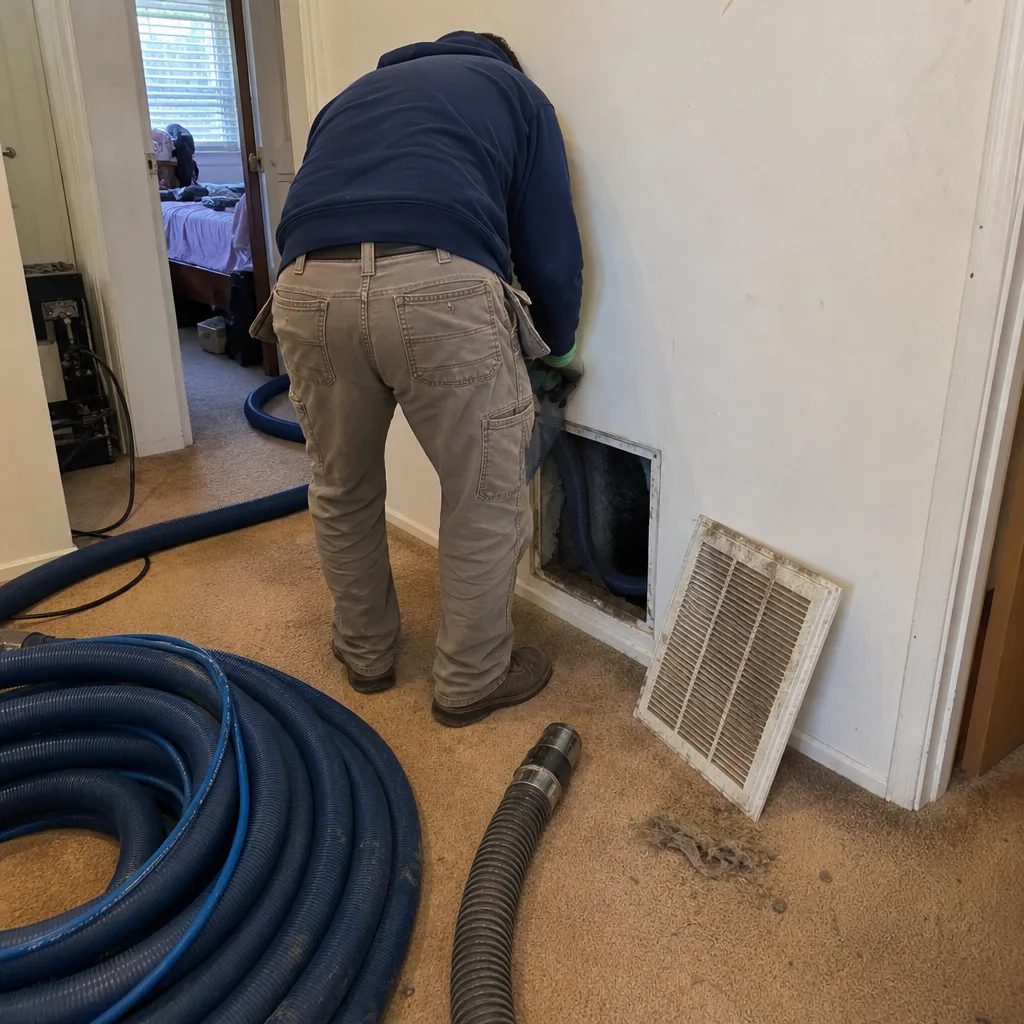
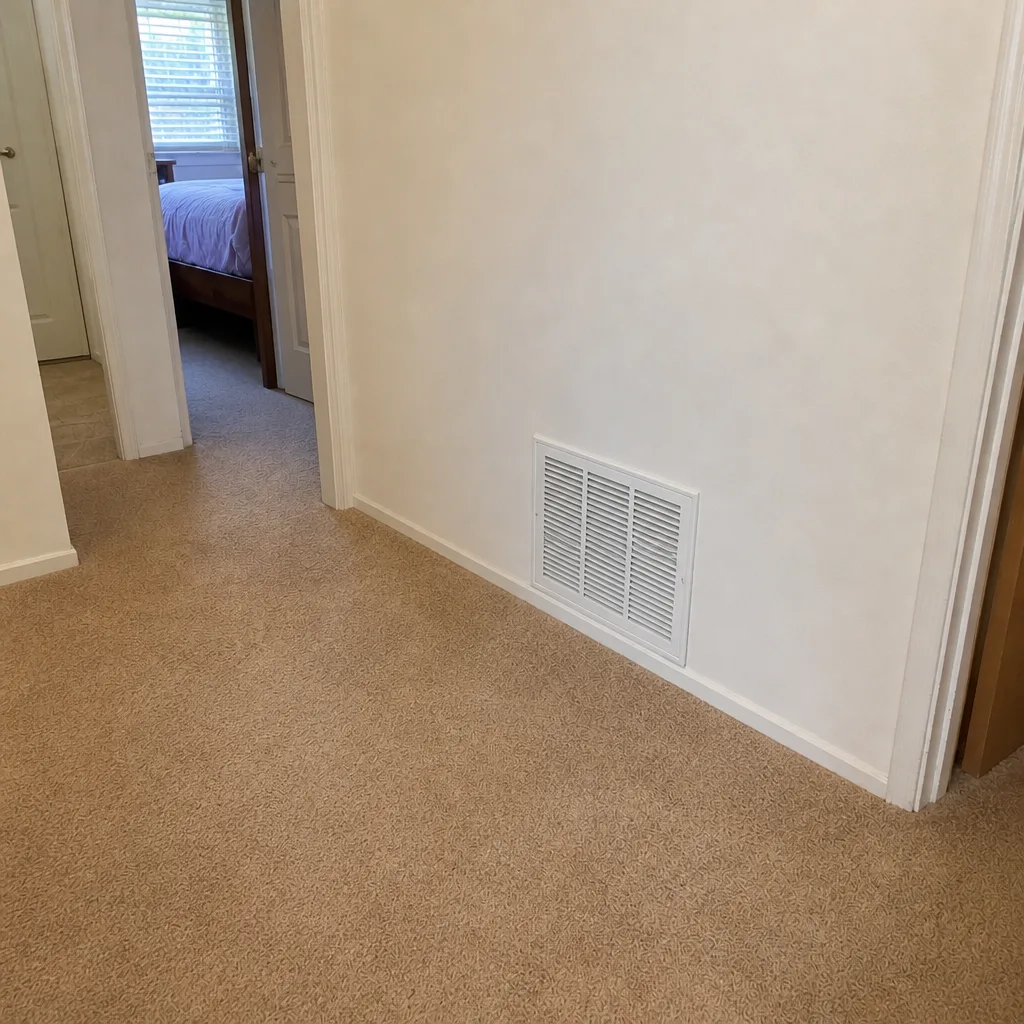
Whole-system duct and dryer vent check with before-and-after photos - you see exactly what came out of your vents
That "$99 whole-house special" is a bait ad - the real number appears once they are in your hallway, or the "clean" is a shop-vac at the register. We photograph the inside of your ducts before and after instead.
Air Duct Cleaning Warning Signs: An Arden-Arcade Homeowner’s Reference Guide
Most Arden-Arcade homeowners wait for a dramatic symptom before they think about their ducts. A burning smell, visible mold, or a plume of dust when the system kicks on. By then, the problem is usually expensive. The truth is your duct system talks to you constantly. Uneven room temperatures, a faint mustiness in one hallway, a register that whistles when the AC cycles. These quiet signals get dismissed as quirks of an older Sacramento-area home. This guide will teach you to read them early, so you can fix a $40 connection instead of replacing a failed duct run.
Quick Answer
The most common warning signs that your air ducts need attention in Arden-Arcade are uneven room temperatures, rising utility bills without a weather change, excessive dust around supply registers, and a persistent musty or burning odor when the HVAC runs. Some of these signals point to simple cleaning; others mean the ductwork itself is damaged and needs repair. Knowing which is which saves you money and keeps your family breathing cleaner air.
Styles & brands we work with
- Whole-home duct cleaning
- Dryer vent cleaning
- Camera inspection
- Sanitizing & deodorizing
Table of Contents
- Uneven Room Temperatures: The Most Dismissed Warning Sign
- Cleaning Signs vs. Structural Failure: Why the Fix Is Different
- How a Sudden Spike in Utility Bills Reveals Duct Leakage
- What Dust Patterns Around Supply Registers Tell You
- Odor Identification: Musty vs. Burning vs. Chemical Smells
- Allergy Flare-Ups and Sacramento Valley Allergen Seasons
- Common Mistakes to Avoid
- When to Call a Professional
- Frequently Asked Questions
Uneven Room Temperatures: The Most Dismissed Warning Sign
You walk from your living room into the back bedroom and the temperature drops five degrees. Your first instinct is to close a register or nudge the thermostat. That’s a mistake. Uneven room temperatures in Arden-Arcade homes are most often a duct problem, not a thermostat problem. When one branch of the duct system is disconnected, crushed, or partially collapsed, that room simply doesn’t get the conditioned air it was designed to receive. Closing registers to “balance” the system only increases static pressure, which makes the problem worse. It pushes more air through the remaining open runs and starves the troubled branch even further.
We’ve seen this pattern many times in older Arden-Arcade neighborhoods, where duct runs snake through attics that bake in Sacramento Valley heat. Flexible duct can sag, get pinched by stored boxes, or pull loose at a connection. If you notice that one room is always colder in summer, hotter in winter, or takes forever to cool down after the AC cycles on, you likely have a compromised duct run. A simple visual check of the attic and crawlspace can reveal a disconnected run, but often the issue is subtle: a kink, a crushed section, or a poorly sealed boot. Before you blame the HVAC unit, look at the pathway.
Cleaning Signs vs. Structural Failure: Why the Fix Is Different
This is the distinction most guides miss. Duct problems fall into two camps: contamination and structural compromise. Cleaning addresses the first. Repair addresses the second. Mixing them up wastes money.
Signs that point to cleaning (contamination):
- Dust accumulating on furniture surfaces quickly, even after dusting
- A gray film visible on the inside of supply registers
- Airflow that feels weak but steady, without noticeable room temperature swings
- A stale, earthy smell when the system first starts up
- Evidence of rodent or insect activity near the air handler
Signs that point to structural failure (repair needed):
- A room that is consistently 5-10 degrees off from the rest of the house
- A sudden spike in utility bills with no change in usage habits
- Whistling or rattling from a specific register
- Visible duct tape peeling, hanging sections, or crushed flex in the attic
- Dust and insulation debris blowing out of certain registers
Cleaning removes debris from inside the ductwork. Repair fixes the physical pathway itself. A disconnected duct in an Arden-Arcade attic will not be fixed by running a vacuum through it. Conversely, cleaning a well-sealed but heavily contaminated system will fix the air quality problem. This is why we always specify our scope. Our air duct repair service handles the structural side of things that most cleaning-only companies walk right past.
How a Sudden Spike in Utility Bills Reveals Duct Leakage
Sacramento Valley summers are hot. So when your July bill jumps, it’s easy to blame the weather. But there’s a way to think about this more clearly. Compare your current bill to the same month last year. If summer 2025 was roughly as hot as summer 2024, and your usage is up 20-30% without a change in equipment or thermostat habits, that gap is telling you something.
A disconnected or torn duct run means air you already paid to cool is being dumped into the attic or crawlspace instead of your living room. The system runs longer to satisfy the thermostat. The compressor works harder. The blower moves more air, but less of it reaches you. Leaky ductwork in a typical Arden-Arcade home can account for a significant portion of total system loss. Fixing a single disconnected branch can sometimes lower a monthly bill by a noticeable amount. That’s not a campaign promise; it’s physics. The air goes where the duct carries it. If the duct doesn’t carry it to the room, you’re cooling the attic.
Here’s a simple three-step comparison to run before you call anyone:
- Pull the last 18 months of energy statements.
- Compare same-month usage year over year. Note any jump above 15-20%.
- Match that jump against any known changes: new appliances, more occupants, longer work-from-home hours. If nothing else changed, inspect the duct system.
What Dust Patterns Around Supply Registers Tell You
Look closely at the wall or ceiling around your supply registers. Not the register itself, but the drywall, paint, or carpet just outside it. A light, even film of household dust is normal. But certain patterns reveal what’s happening inside the ducts.
Dark streaks radiating outward from the supply vent suggest particles are being blown out at high velocity. This often means the duct lining is breaking down or accumulated debris inside the system is being aerosolized. If you wipe the streaks and they return within a week or two, the source is inside the duct, not in the room. Arden-Arcade homes built in the 1970s and 1980s often have fiberglass-lined duct board or older flex duct that sheds over time. When the inner liner degrades, it releases fine fibers and dust particles that stick to surfaces with static electricity.
A second pattern to look for: dust that settles only on the side of the room closest to the register, while the rest of the room stays relatively clean. That suggests the register is not sealed properly at the boot, and air is escaping behind the drywall, carrying dust into the wall cavity. Third pattern: dust that appears in rooms far from the air handler but not in rooms near it. This points to dust being generated inside a specific branch run, not the main trunk. The fix for all of these starts with understanding where the debris originates. Source-removal cleaning, the kind we do with Rotobrush equipment, physically agitates that material off the duct walls and extracts it. A simple blow-and-vacuum pass won’t solve a duct that’s actively shedding its liner.
Odor Identification: Musty vs. Burning vs. Chemical Smells
Your nose is a reliable diagnostic tool, but only if you know what you’re smelling. Different odors point to different problems inside the duct system.
Musty or earthy smell: This is the most common duct odor in Arden-Arcade homes, especially after our rainy season. Moisture gets into the ductwork through a roof leak, a backed-up condensate drain, or simply Sacramento Valley humidity. Organic material inside the ducts – dust, skin cells, pollen – then supports microbial growth. The smell is often strongest when the system first cycles on. Cleaning can remove the organic material, but if the moisture source isn’t corrected, the smell returns. We look for the source of the moisture as part of any cleaning.
Burning or smoky smell: Never ignore this. A burning smell when the heat runs can mean dust accumulated on the heat exchanger is burning off. That’s common at the start of the heating season and usually clears. But a persistent burning or acrid smell can indicate an actual electrical problem, an overheating blower motor, or debris contacting the heating element. Shut the system off and call a professional. This is a safety issue, not a wait-and-see situation. In our experience, about half of the burning-smell calls we get turn out to be something internal to the HVAC unit rather than the ducts themselves. But you need a professional to tell you which.
Chemical or solvent smell: This is unusual in ducts and should be taken seriously. Chemical odors can come from a refrigerant leak, off-gassing from a component, or contamination from a product used near the air intake. If the smell is sharp, like paint thinner or nail polish, turn the system off and ventilate the house. A duct cleaning will not resolve a refrigerant leak. It’s important to identify the source correctly before spending money on the wrong fix.
Here’s a simple odor-to-action reference:
- Musty and only at startup: Schedule a duct inspection and possible cleaning
- Musty and constant: Inspect for moisture source first, then clean
- Burning at first heat use of season: Usually dust burn-off; monitor for 24 hours
- Burning that persists or smells electrical: Shut system off, call immediately
- Chemical or acrid: Shut system off, call for diagnosis
Allergy Flare-Ups and Sacramento Valley Allergen Seasons
Arden-Arcade sits in one of the more active allergen corridors in California. Spring brings grass pollen from the agricultural land west and north of us. Fall brings weed pollen, especially sagebrush and ragweed from the foothills. Winter, with its damp spells, brings indoor mold spores. If you or a family member suffers from seasonal allergies like many Arden-Arcade residents, here’s a useful distinction to keep in mind.
Outdoor allergens follow the seasons. They spike when the wind blows, and they ease after a rain. Indoor allergens follow your HVAC system. If you notice that allergy or asthma symptoms flare every time the AC or heat runs, regardless of the season, that points to your ducts. Dust mites, mold spores, cockroach frass, and pet dander accumulate in ductwork. Every time the blower kicks on, those particles get aerosolized and circulated throughout the house. A patient who is fine outside but congested inside their own bedroom is experiencing a duct-driven air quality problem, not just pollen season.
This matters because of how our homes are built. Many Arden-Arcade residences are older, with tighter windows but leaky duct systems. Pollen that enters the house through open doors or on clothing settles into the carpet, gets drawn into the return ducts, and then recirculates. Cleaning the ducts doesn’t eliminate outdoor pollen, but it removes the reservoir that keeps reintroducing irritants into the air you breathe at night. For Honeywell and Aprilaire system owners, we can also verify that your filtration components are working properly with the cleaned system. A good filter in a dirty duct system only does half its job.
If you or a family member has a diagnosed condition, an allergist should be part of your overall plan. Duct cleaning is a complementary step, not a medical treatment. But from a home-systems perspective, removing the accumulated load of irritants from your ductwork is a straightforward way to reduce one known source of indoor allergens.
Common Mistakes to Avoid
- Ignoring one cold room. A single room that never reaches temperature is usually a disconnected or crushed duct branch. Ignoring it means your system works harder to compensate, raising your bill while one room stays uncomfortable.
- Closing registers to “balance” airflow. Closing registers increases static pressure in the duct system. That stresses the blower and can push more air through existing leaks. It doesn’t fix the airflow problem; it hides it.
- Calling a cleaner for a repair problem. If a duct is crushed or disconnected, no amount of vacuuming will fix it. You need a company that can diagnose and repair the physical pathway, not just clean the inside of it.
- Waiting for a smell to get bad. A faint musty odor is a warning. By the time you can smell it from across the room, the contamination is significant. Address it early, when the fix is simpler and cheaper.
- Assuming your HVAC filter is enough. A good filter protects the HVAC equipment. It doesn’t clean the ducts themselves. Ducts accumulate debris over years regardless of filter quality.
- Comparing quotes on price alone. A $200 blow-and-vacuum clearance and a source-removal cleaning are not the same thing. The method and equipment determine whether debris is actually removed from the duct walls or just stirred around.
When to Call a Professional
You don’t need to diagnose every duct problem yourself. In Arden-Arcade, if you notice a persistent musty odor, a room that won’t hold temperature, or dust that returns within days of cleaning, it’s time to have the system looked at. A professional will inspect the accessible duct runs, identify whether the issue is contamination or structural failure, and give you a clear recommendation. Don’t guess at a repair you can’t see. The attics and crawlspaces of Arden-Arcade homes are not always friendly to a DIY inspection, and opening the wrong section can make a leak worse. Copper Air Duct Cleaning offers free estimates in Arden-Arcade. Call (833) 734-3714 and we’ll schedule a look. We answer 24/7. Fast dispatch from 7am to 7pm, Sunday through Friday.
Frequently Asked Questions
Cleaning is indicated by dust on furniture, a gray film in the registers, weak but steady airflow, or a musty smell at startup. Repair is indicated by a room that is consistently 5-10 degrees off from the rest of the house, a sudden jump in your utility bill, wind-like sounds at a specific register, or visible damage to a duct run. If you’re unsure, Copper Air Duct Cleaning will inspect and tell you which applies before recommending any work. We clean what’s contaminated and repair what’s broken. Call (833) 734-3714 for a free estimate.
Cheaper quotes usually come from companies using a simple blow-and-vacuum method that doesn’t remove the debris stuck to duct walls. Source-removal cleaning uses agitation first, then high-suction extraction. That’s more labor and better equipment, which costs more. A cheap pass may leave the material in place and simply redistribute it. We’d rather give you one honest price for a source-removal clean with Nikro vacuum equipment than a teaser price that doesn’t solve the problem.
Yes. If you notice allergy or asthma symptoms worsen every time your HVAC runs, regardless of the season, your ducts may be holding accumulated pollen, dust, and dander that get recirculated. Cleaning the ducts removes that reservoir. In Arden-Arcade, where we get strong grass and weed pollen seasons, this is a common source of indoor allergen exposure.
A burning smell when the heat first comes on for the season is often dust on the heat exchanger burning off, which usually clears within a few minutes. A burning smell that persists, smells electrical, or appears when the AC is running is more serious. Shut the system off and call for a diagnosis. This could be an overheating motor or a wiring issue, and it needs professional attention. We answer 24/7 at (833) 734-3714. A call outside dispatch hours is booked into the next opening, Sunday through Friday, 7am to 7pm.
Most homes do well with a professional cleaning every three to five years. Arden-Arcade homes with pets, smokers, recent renovation work, or allergy-sensitive occupants may need it more often. The best guide is not the calendar but the signs: visible dust on registers, a musty smell at startup, or dust returning quickly after cleaning. If you can’t remember the last time yours were done, it’s probably time to have them looked at.
It depends on the condition of your system and the method used. A source-removal cleaning that physically agitates and extracts duct-wall debris with Rotobrush and Nikro equipment is far more thorough than a vacuum-only pass. If your ducts are shedding liner, holding moisture, or filled with years of accumulated dander and dust, then yes, the work pays for itself in better airflow and cleaner interior air. We will always show you what we’re recommending and why before you commit. Call (833) 734-3714 for a free estimate in Arden-Arcade.
See the difference
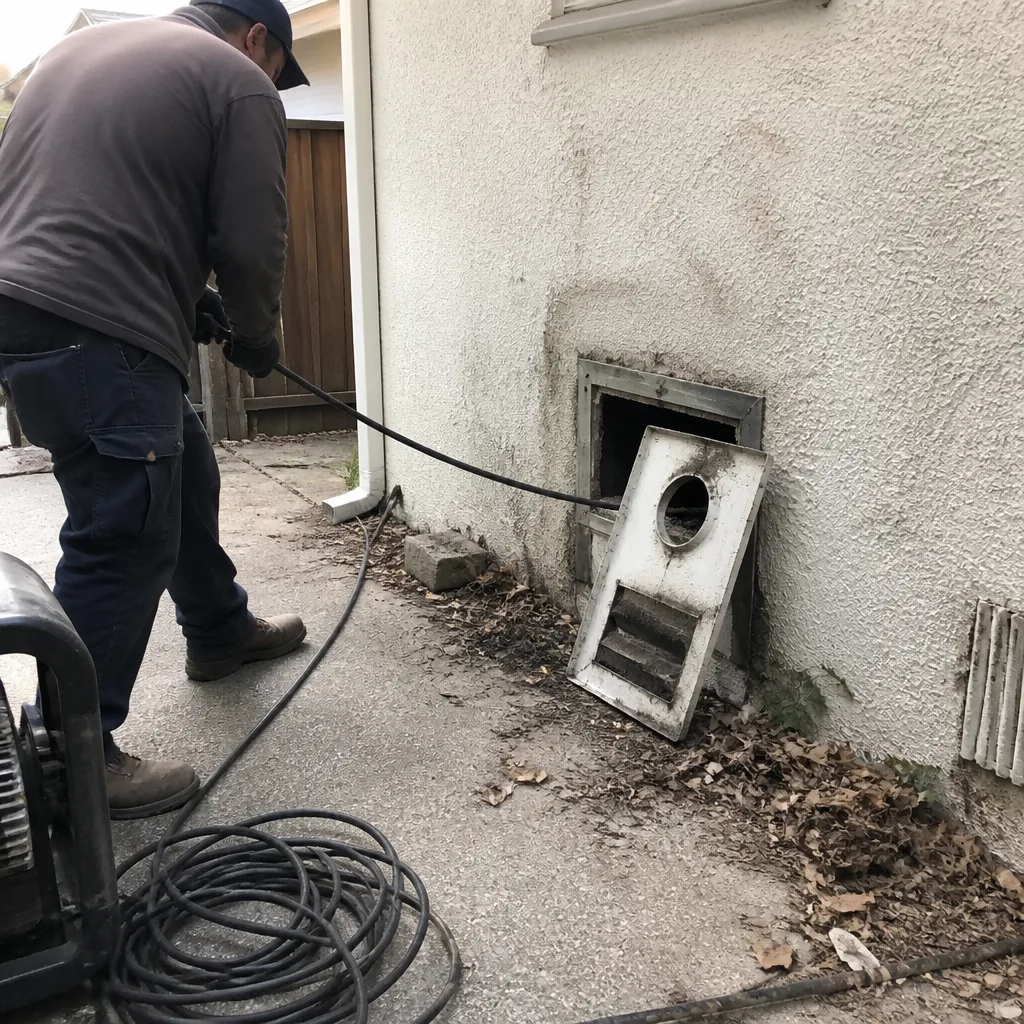 Before
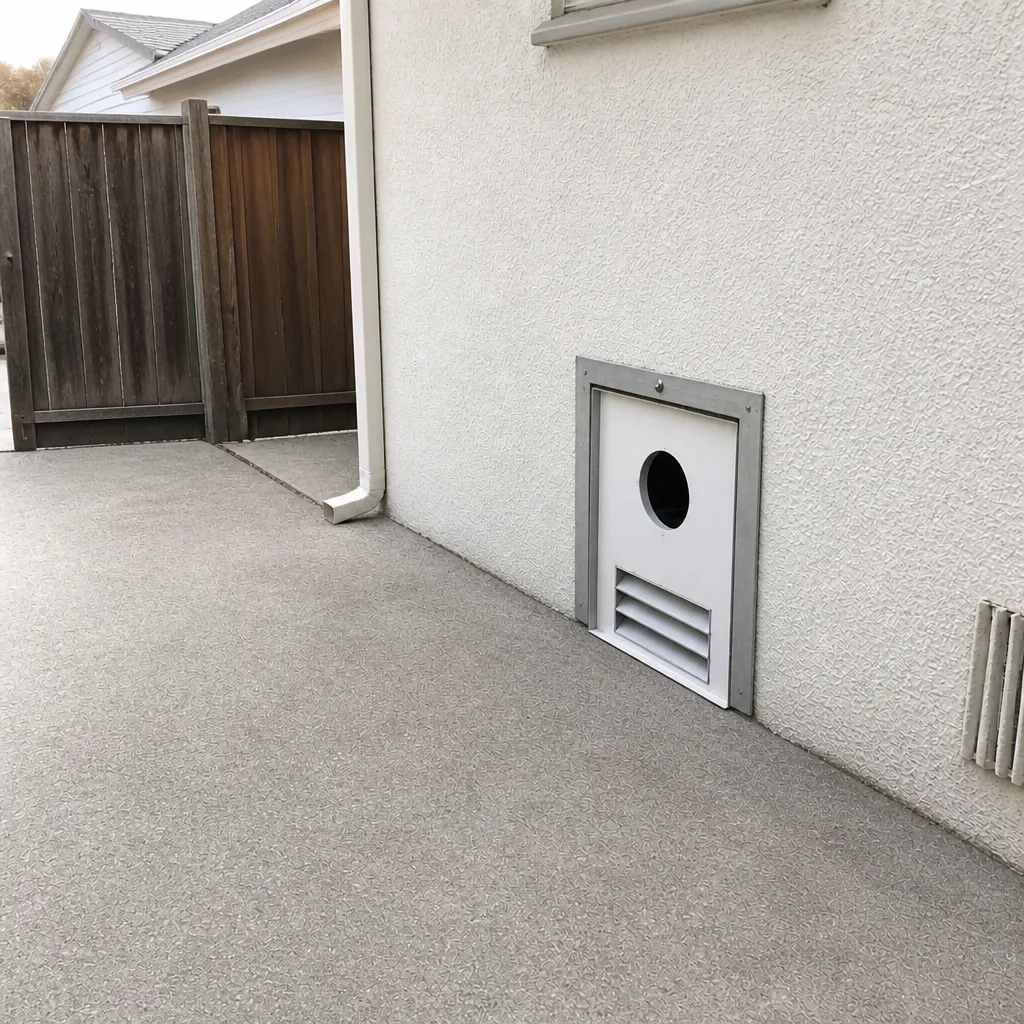 After
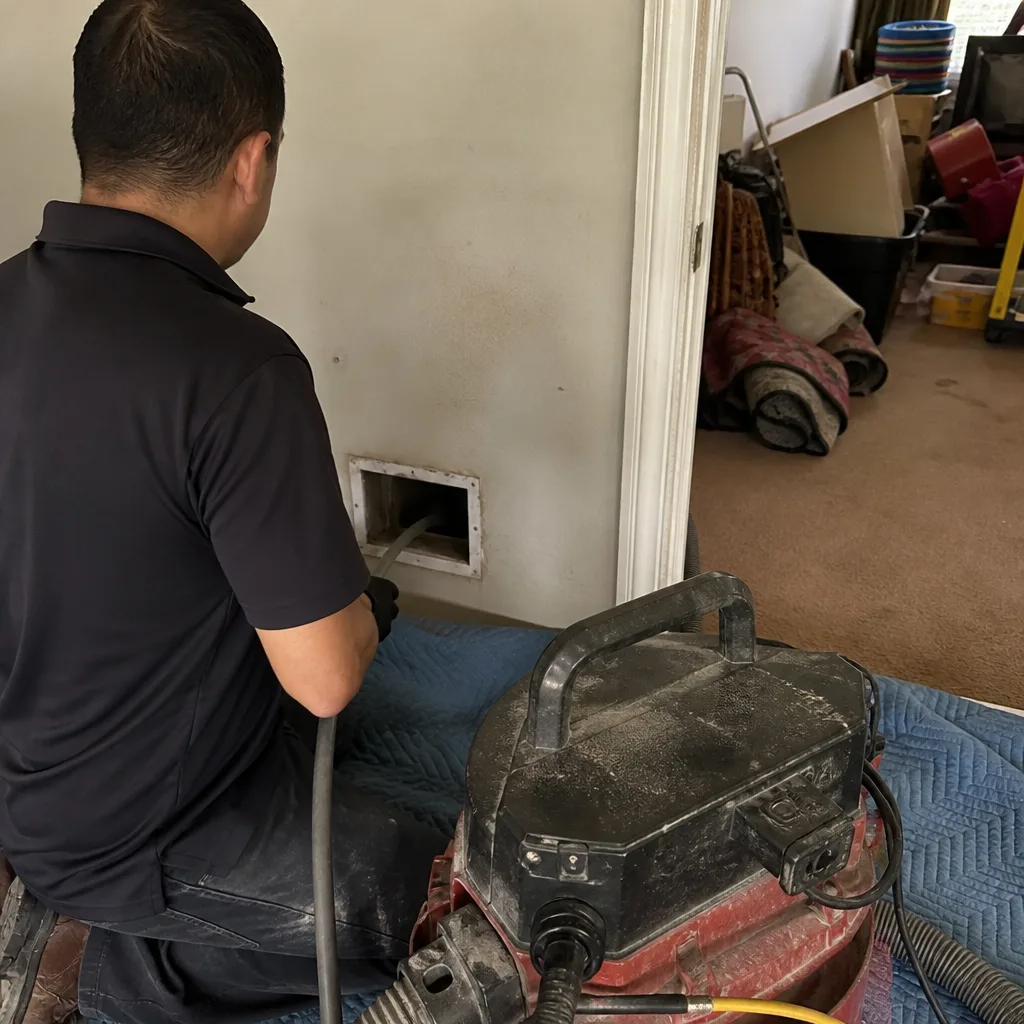 Before
 After
 Before
 After
Common Mistakes to Avoid (Continued)
We covered six mistakes above. Here’s one more worth remembering, specific to Sacramento Valley weather. Don’t confuse a high July electric bill with an air conditioning problem when the real culprit is a torn duct run in your attic. Replacing a compressor when the compressor is fine but the air is escaping through a disconnected duct is an expensive misdiagnosis. Get the ducts inspected before you spend on a new HVAC unit. A simple Copper Air Duct Cleaning inspection can often rule the ductwork in or out. If the issue is duct leakage or damage, we can repair it directly. If the issue is the unit itself, we will tell you that too. Our goal is not to sell you duct repair you don’t need. It’s to identify the actual source of the problem.
This is also where the equipment matters. A company carrying Rotobrush and Nikro gear can do more than clean. We can diagnose airflow restrictions, identify damaged sections, and, in many cases, repair the duct without replacing the entire system. That’s a fuller scope than most single-service duct cleaners in the Sacramento area offer. If you live in Arden-Arcade, you have access to that level of service locally.
The Bottom Line
Your ducts are the circulatory system of your home. When something is wrong, they tell you. The signs are there: a cold bedroom, a dusty register, a musty breath from the vents, a bill that doesn’t match the thermostat. Some of these signs mean the ducts need cleaning. Others mean the ducts need repair. The important thing is not to wait for a dramatic failure. Arden-Arcade homeowners who address these signals early spend less, breathe better air, and avoid the frustration of living in a house that never quite feels comfortable. If you’re seeing any of the warning signs described in this guide, start with an inspection. Air duct cleaning and dryer vent cleaning are both services we perform right here in Arden-Arcade. Call (833) 734-3714 for a free estimate. We answer 24/7. Fast dispatch from 7am to 7pm, Sunday through Friday.
Written by the team at Copper Air Duct Cleaning, serving Arden-Arcade since 2011.