
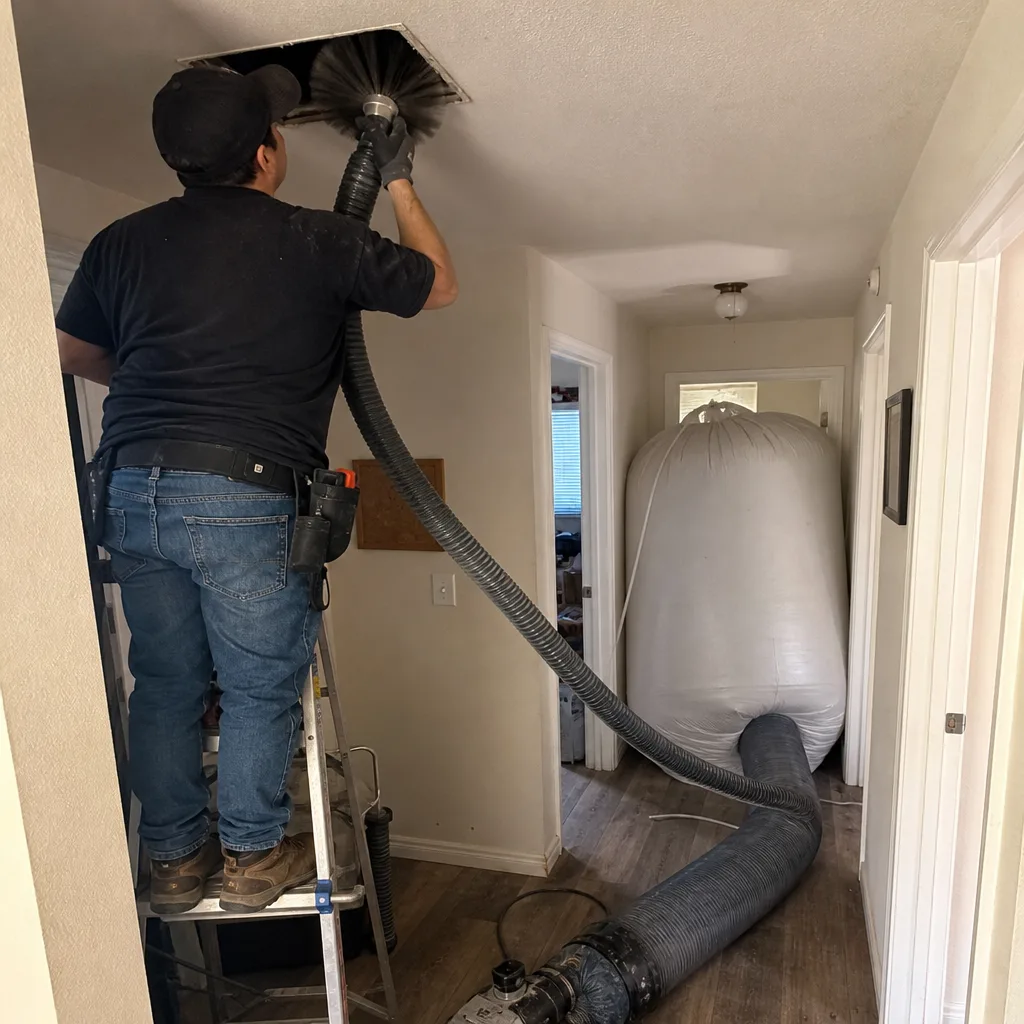
Last updated November 4, 2026
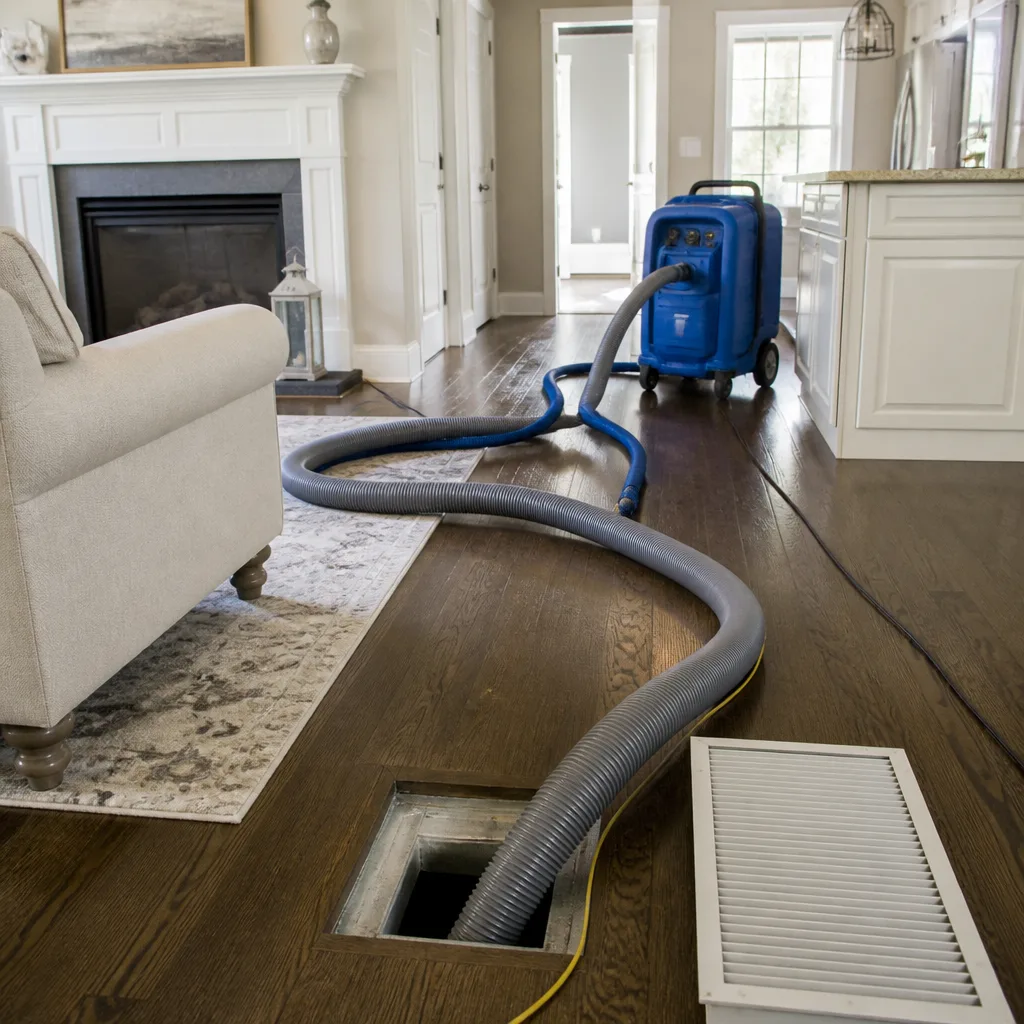 Whole-home duct cleaning
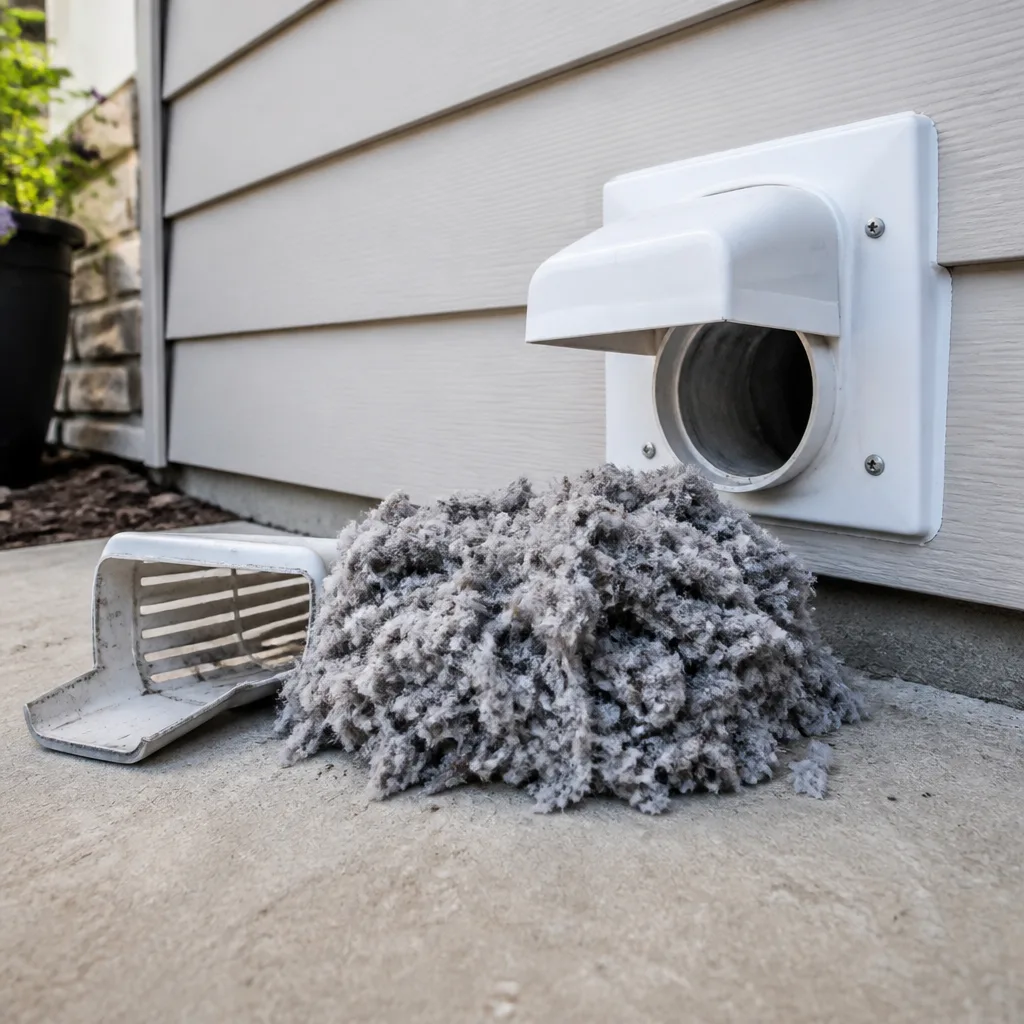 Dryer vent cleaning
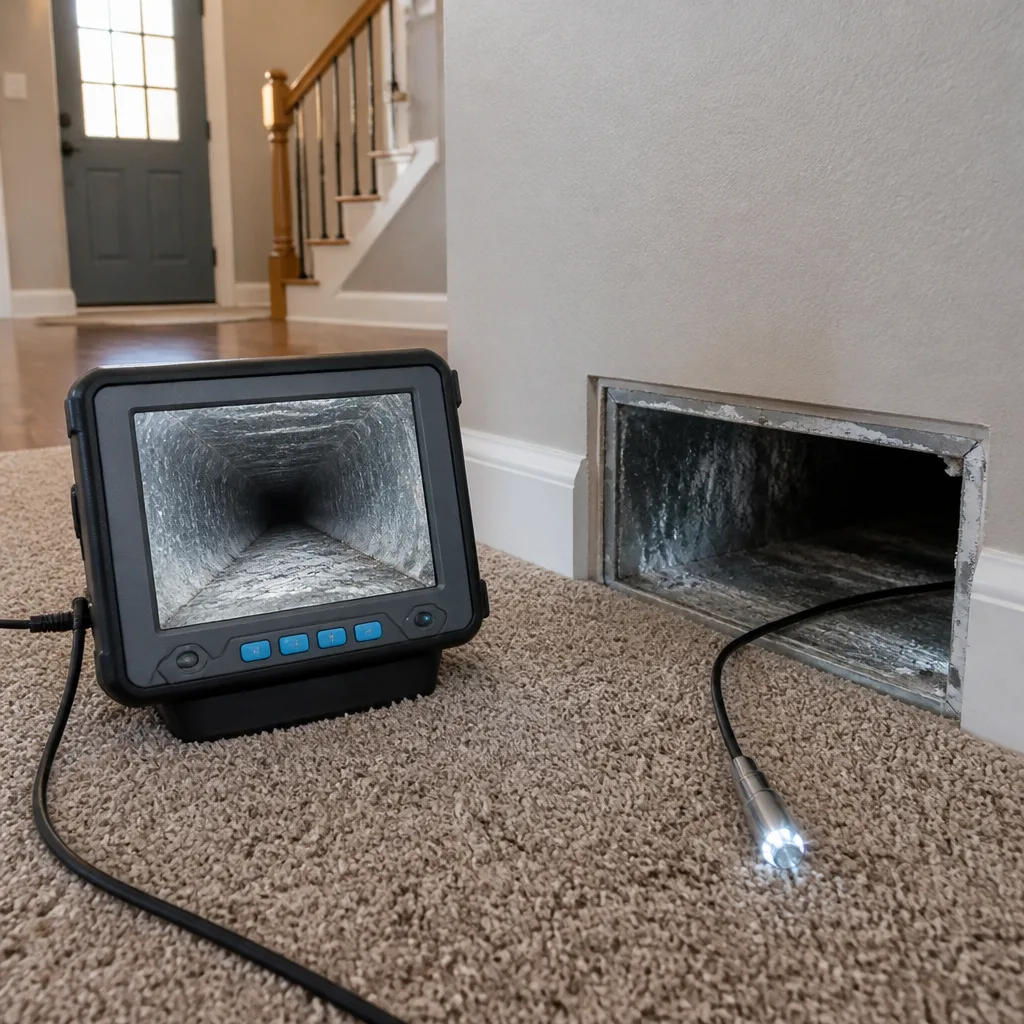 Camera inspection
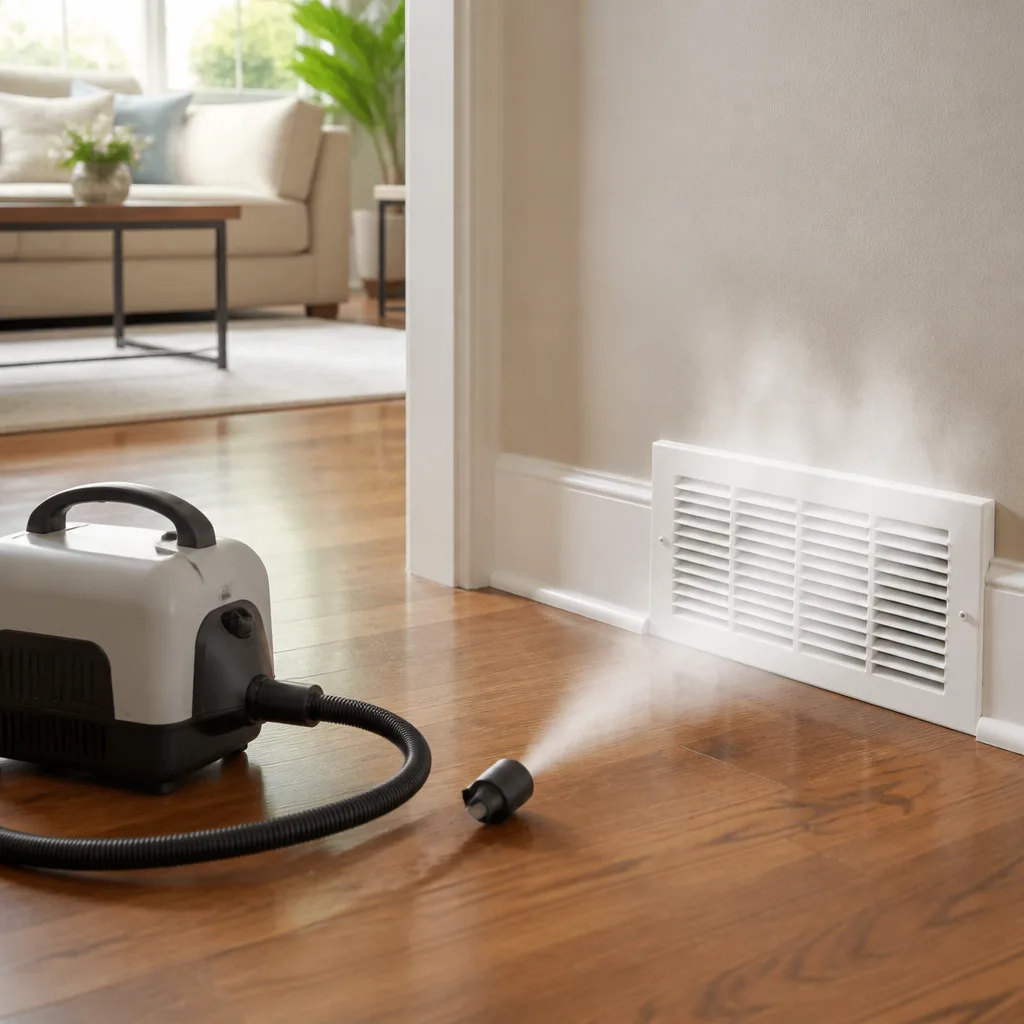 Sanitizing & deodorizing
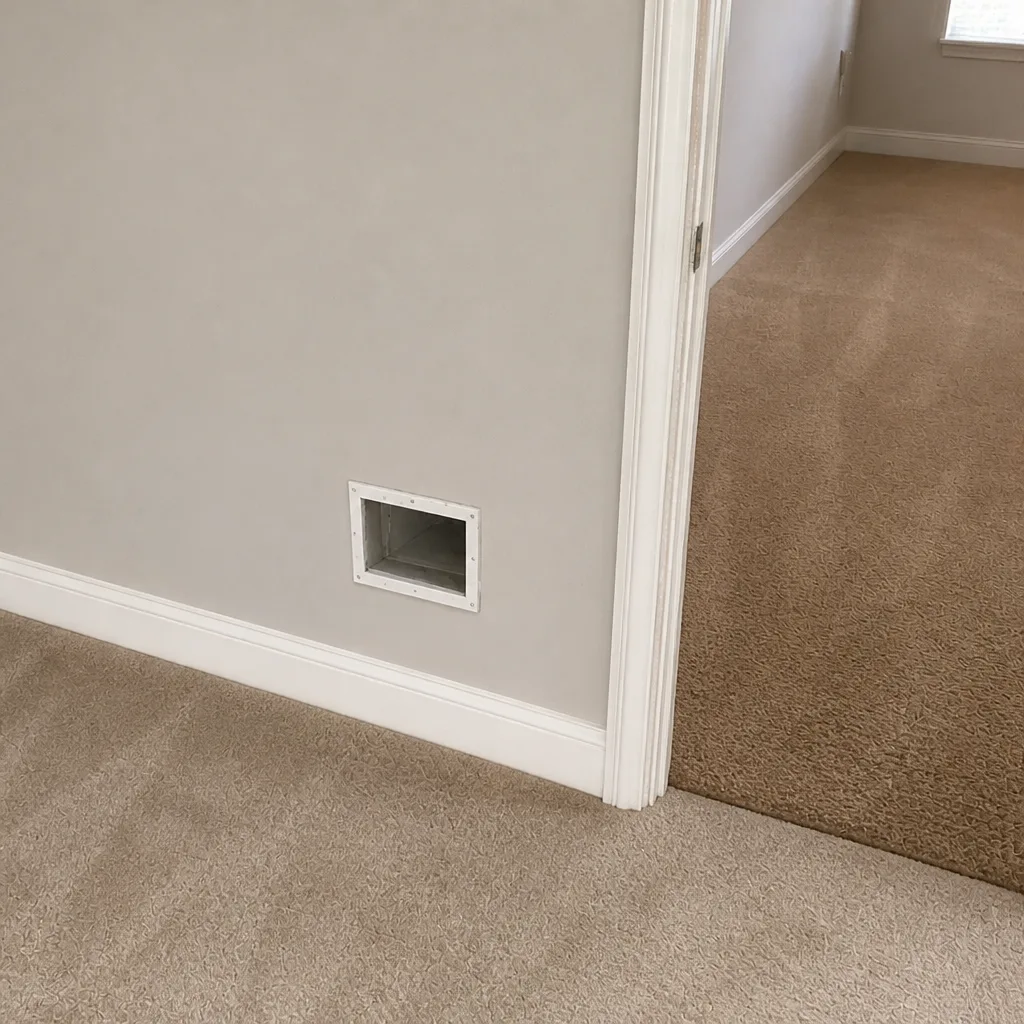
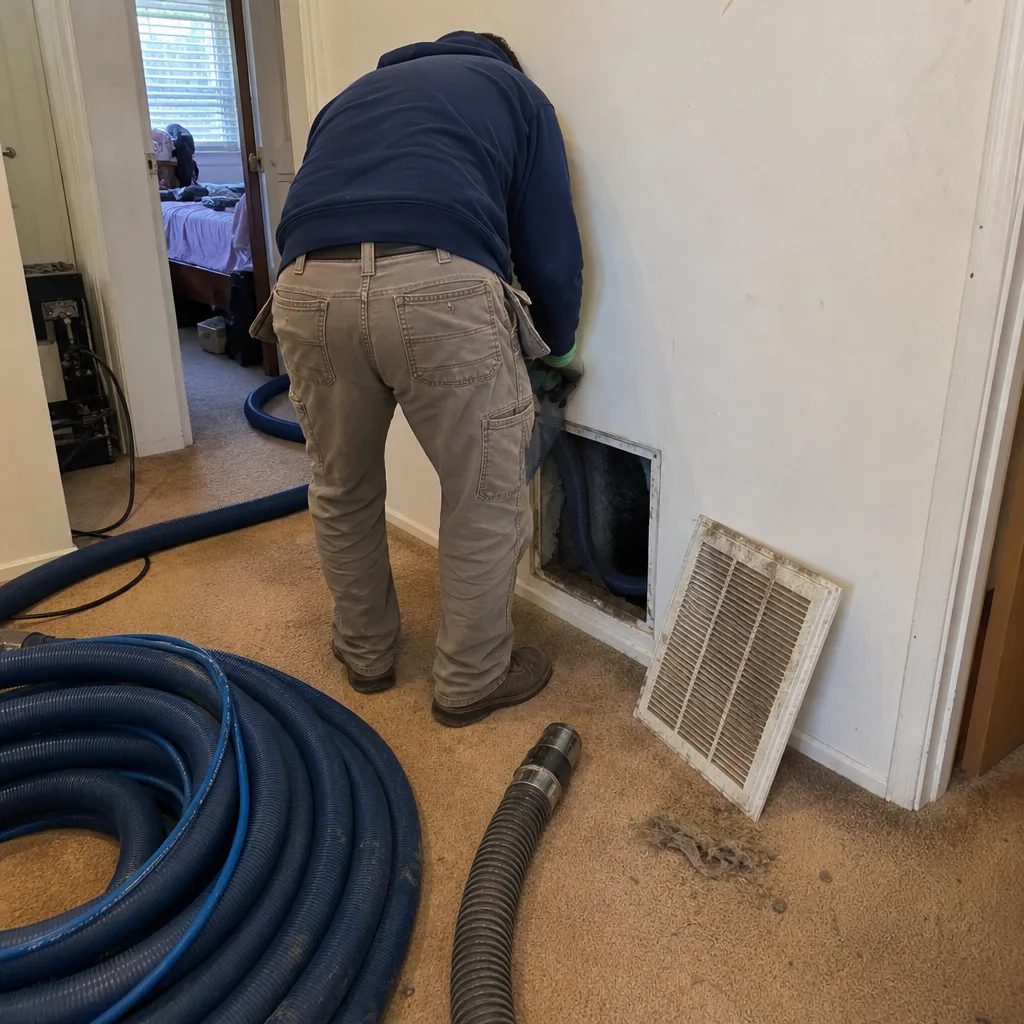
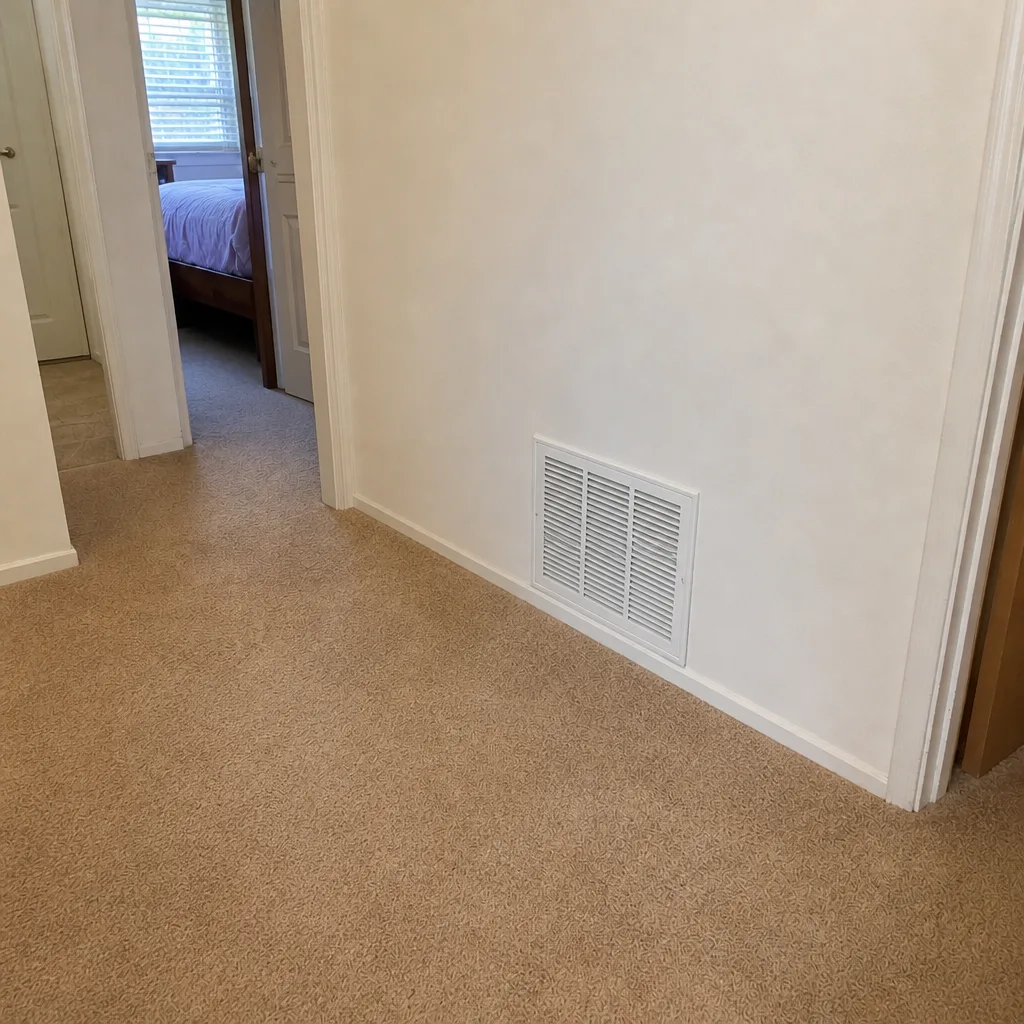
Whole-system duct and dryer vent check with before-and-after photos - you see exactly what came out of your vents
That "$99 whole-house special" is a bait ad - the real number appears once they are in your hallway, or the "clean" is a shop-vac at the register. We photograph the inside of your ducts before and after instead.
Air Duct Cleaning Troubleshooting in Arden-Arcade: Common Problems and How to Fix Them
If one room in your Arden-Arcade house is always 8 to 10 degrees cooler than the rest, there is a strong chance the problem lives in your duct system, not your thermostat or air handler. Homeowners routinely swap out HVAC components chasing a fix that was never an equipment issue in the first place. The ductwork hidden in your attic or crawl space is the circulatory system of your home, and when it fails, the symptoms show up everywhere except the ducts themselves. This guide maps the specific problems we see in Sacramento Valley homes to their root causes so you can troubleshoot intelligently before spending money on the wrong repair. You will learn which symptoms point to a cleaning fix, which ones demand a structural repair, and when a professional diagnosis saves you from replacing equipment you do not need.
Quick Answer
Most duct problems in Arden-Arcade show up as weak airflow, uneven room temperatures, musty odors, rattling, or unexplained energy bill spikes. Each symptom maps to a specific failure point: collapsed flex duct, disconnected joints, dirty coil bypass, torn duct board, or mold colonization behind duct walls. A cleaning with source-removal equipment fixes surface debris and airflow restriction from buildup. A repair fixes the structural failures that cleaning alone cannot address. Knowing which one you need before you call saves you time, money, and a lot of frustration.
Styles & brands we work with
- Whole-home duct cleaning
- Dryer vent cleaning
- Camera inspection
- Sanitizing & deodorizing
Table of Contents
- Symptom-to-Cause Matrix: What Your Ducts Are Telling You
- Why Sacramento Valley Temperature Swings Are Hard on Flex Duct
- How to Self-Triage: Register Airflow Feel vs. Return Static Pressure
- The Difference Between a Cleaning Fix and a Repair Fix
- Red-Flag Combinations: When Two Symptoms Point to Mold
- The Dryer Vent Wildcard: A Common Duct Problem Homeowners Miss
- High Energy Bills and What They Reveal About Duct Health
- When to Call a Professional
Our team at Copper Air Duct Cleaning works on duct systems throughout the Sacramento area, and the failures we encounter follow predictable patterns. Understanding those patterns puts you ahead of most homeowners who simply guess at the cause. Here is the full map.
Symptom-to-Cause Matrix: What Your Ducts Are Telling You
Duct problems do not announce themselves with a warning light. They speak through the air in your home, and each symptom has a most likely culprit. Here is the matrix we use to diagnose issues in Arden-Arcade homes before we ever pull a register cover off the wall.
The Five Symptoms That Point to Duct Failure
Weak airflow from one or two registers almost always means a disconnected or collapsed section of flex duct in the attic or crawl space. When a joint separates, conditioned air spills into an unconditioned space instead of reaching the room it was meant for. The HVAC unit works fine. The air simply never arrives.
Hot and cold spots between rooms point to unbalanced duct runs, a crushed trunk line, or a damper that has slipped out of position. One bedroom freezing while the living room stays comfortable is a distribution problem, not an equipment problem. The air handler is producing the right amount of air. The ducts are not delivering it evenly.
A musty or earthy smell when the system cycles on is the signature of microbial growth inside duct walls or insulation. This is not surface dust. This is moisture interacting with organic material inside the duct system. In Sacramento Valley homes, this typically happens after a period of high humidity or a condensate drainage issue near the coil.
Rattling, popping, or a soft boom when the blower starts or stops usually indicates duct board or sheet metal that has come loose, or flex duct that has sagged enough to slap against framing when pressure changes. The boom is the sound of a duct wall flexing under pressure it was not designed to handle in that position.
Energy bills climbing without a change in usage often means conditioned air is leaking into the attic or crawl space. The system runs longer cycles to compensate for the loss, and the utility bill reflects the waste. The furnace is not working harder. It is working longer because a portion of its output never makes it to the living space.
These five symptoms account for the large majority of what we diagnose on service calls across Arden-Arcade. The fix is rarely a new furnace. It is almost always a duct system correction.
Why Sacramento Valley Temperature Swings Are Hard on Flex Duct
Homes in Arden-Arcade sit in one of the more demanding climates for flexible ductwork. The Sacramento Valley sees summer temperatures that regularly climb into the high 90s and low 100s, with winter nights that drop into the 40s. That is a temperature swing of 50 degrees or more across a single year. Flex duct, which is a plastic inner liner wrapped in fiberglass insulation and an outer vapor barrier, expands and contracts with every one of those swings. The result is predictable: joints loosen, connections sag, and duct runs that were once tight begin to separate.
Attic temperatures amplify the problem. By mid-afternoon in July, an Arden-Arcade attic can reach 130 degrees or more, which softens the adhesives and tapes used at duct joints. Over repeated cycles, that soft material loses its grip. A duct run that was perfectly sealed when the home was built gradually develops small leaks at the connection points. Those small leaks become large ones as the weight of the duct pulls against the weakened joint.
The sagging flex duct you see in attics throughout the Sacramento area is caused by this exact combination of heat softening and gravity. Duct runs that should be pulled taut and supported every four feet end up with long unsupported dips. Each dip creates a low spot that collects debris, restricts airflow, and eventually kinks completely. Once a run kinks, the airflow to that room drops off a cliff. This is not a theoretical issue. It is the number one structural duct failure we see in Arden-Arcade homes, and it happens far more often here than in milder coastal climates precisely because of the valley heat.
Understanding this local factor matters. A homeowner in a temperate climate might never see a flex duct fail. An Arden-Arcade homeowner deals with it as a routine maintenance issue. The good news is that it is fixable. Re-supporting and re-sealing a sagging duct run restores full airflow without touching the HVAC equipment at all.
How to Self-Triage: Register Airflow Feel vs. Return Static Pressure
Before you call a technician, you can gather useful diagnostic information in about ten minutes. This self-triage does not replace a professional inspection, but it helps you describe the problem accurately and may point you toward the right kind of fix.
Step-by-Step Register Airflow Check
- Turn the system fan to ON, not AUTO. This runs the blower continuously and gives you a stable baseline for comparison.
- Hold your hand six inches from each supply register. Note the force of the airflow. Is it strong and steady, or weak and irregular?
- Compare rooms side by side. A bedroom that feels noticeably weaker than the hallway register is a red flag for a disconnected or restricted duct run.
- Check the return grille. The return should feel like it is pulling air steadily. A weak return pull often means a blocked or undersized return duct, which starves the whole system.
- Listen for whistling. A high-pitched whistle at a register usually means air is being forced through a restriction. The duct is partially blocked or the register damper is nearly closed.
This simple check tells you whether the problem is isolated to one room or spread throughout the house. One weak room points to a duct-specific failure on that run. Weak airflow everywhere points to a system-wide issue like a dirty coil, a failing blower motor, or a severely restricted return.
Return static pressure is a measurement a technician takes with professional instruments, but you can approximate it by feeling the return grille. If the return pull is weak and the supply airflow is also weak, the system is starved for air. The blower cannot push what it cannot pull. In many Arden-Arcade homes, the problem is an undersized return or a return duct that has collapsed in the attic. The furnace is working against a restriction it was never designed to overcome.
The Difference Between a Cleaning Fix and a Repair Fix
This is the distinction that separates a wasted service call from a solved problem. Most duct issues fall into one of two categories: accumulation problems that a proper cleaning fixes, and structural problems that require a repair. Knowing which one you have before you pick up the phone prevents you from paying for the wrong service.
What a Cleaning Fix Resolves
A cleaning fix addresses the buildup inside the duct walls. Over years of operation, dust, pet dander, construction debris, and sometimes pest droppings accumulate along the interior surfaces of your ducts. In Arden-Arcade, where the air is dry and dusty for much of the year, this accumulation can be significant. A source-removal air duct cleaning uses equipment like Rotobrush to physically agitate that debris off the duct walls before extraction. The debris is loosened mechanically, then pulled out by a high-suction vacuum system. This is fundamentally different from a blow-and-vacuum approach that simply pushes air through the ducts. Source-removal scrubs the duct walls clean.
Cleaning fixes the following: restricted airflow from heavy buildup, dust blowing out of registers when the system starts, musty odors caused by surface dust and debris, and reduced indoor air quality from particulates circulating through the living space. If a duct is structurally sound but dirty, cleaning is the correct fix.
What a Repair Fix Resolves
A repair fix addresses a duct that has failed structurally. This is what we do as an air duct repair specialist, and it is where most residential cleaning companies stop offering solutions. A vacuum truck cannot fix a collapsed flex duct. It cannot re-seal a disconnected trunk line. It cannot patch torn duct board. Those failures require physical correction.
Repair fixes include: re-supporting sagged flex duct and re-sealing the joints, replacing crushed or kinked sections of duct, patching or replacing water-damaged duct board, sealing disconnected boots at the register, and repairing damaged plenums where the main trunk meets the equipment. These are the fixes that restore airflow and eliminate leaks. A cleaning on a system with structural damage is genuinely wasted money because the debris will simply return.
The honest answer we give Arden-Arcade homeowners is that some houses need both. A duct system that has never been cleaned and has also developed a disconnected joint needs a repair to fix the structure and a cleaning to remove years of accumulated debris. What no one needs is a cleaning on a broken system presented as a solution. We repair what others just clean around.
Red-Flag Combinations: When Two Symptoms Point to Mold
Single symptoms are useful, but symptom combinations are diagnostic gold. When two specific signs show up together, the likely cause shifts from routine debris to something that requires careful attention. Here are the combinations that should prompt a closer look.
Weak Airflow + Musty Odor
Weak airflow from a register combined with a persistent musty smell coming from that same register is the combination that points to mold colonization behind a duct wall or within the duct insulation. The restricted airflow creates a low-oxygen, higher-humidity environment inside the duct run. If moisture is also present, whether from a roof leak, a plumbing leak, or condensation, the conditions support microbial growth. Surface dust can cause a stale smell. Weak airflow plus musty odor suggests the problem is inside the material, not on its surface. In our experience, this combination in an Arden-Arcade attic almost always requires opening up the duct or duct board to see what is happening behind the wall.
Visible Dust Around Registers + Higher Energy Bills
Dust streaking around a register combined with a climbing energy bill points to a leaky connection at the boot. Air is escaping between the duct and the register, pulling attic air or crawl space air into the conditioned stream. The dust you see is unfiltered air being drawn in from an unconditioned space. The energy bill rises because conditioned air is escaping. Fixing the boot seal stops both problems at once.
Rattling + Hot Spots in One Room
When a duct rattles when the blower starts and the room it serves runs consistently warmer than the rest of the house, the duct has likely sagged enough to kink. The kink restricts airflow to the room, causing the temperature difference. The rattling is the duct flexing against framing or itself as pressure changes. This is a structural issue that needs re-supporting, and no amount of cleaning will solve it.
The Dryer Vent Wildcard: A Common Duct Problem Homeowners Miss
Your clothes dryer has its own duct system, and it is one of the most overlooked maintenance points in any Arden-Arcade home. Lint buildup inside a dryer vent duct is not just an air quality issue. It is a fire risk. Lint is highly combustible, and a dryer vent packed with lint can ignite from the heat of the dryer itself. This is why dryer vent cleaning is a dedicated service rather than an add-on.
The signs of a clogged dryer vent are specific: clothes take longer than one cycle to dry, the dryer exterior gets hot to the touch, a burning smell appears during operation, and the vent flap outside does not open when the dryer runs. If you notice any of these in an Arden-Arcade home, the vent needs to be cleared. The fix is straightforward: disconnect the dryer, run a rotary brush through the full length of the vent, and extract the accumulated lint. On homes where the vent run is long or has multiple bends, this is best left to a professional with the right extraction equipment.
What surprises many homeowners is how fast lint accumulates. A dryer vent that was clear a year ago may be significantly restricted now, especially in households with pets or heavy dryer use. Adding vent cleaning to your routine home maintenance schedule is one of the simplest fire-safety improvements available. Your dryer vent is a fire risk waiting to be cleared. Treat it as a real maintenance item, not an afterthought.
High Energy Bills and What They Reveal About Duct Health
Utility bills in the Sacramento Valley are already high during the summer cooling season. When an Arden-Arcade homeowner sees a bill spike without a corresponding change in usage, duct leakage is one of the first places we look. Here is why.
Your HVAC system is sized to condition a specific volume of air. When ducts leak, a portion of the conditioned air never reaches the living space. The thermostat, which sits in that living space, does not know the air is leaking. It only knows the room is not reaching the set temperature. So the system runs longer. The equipment is producing the right amount of cooling or heating. The ducts are just losing it to the attic.
The fix for leaky ducts is not more insulation in the attic. It is sealing the duct system. In many homes, sealing the boots, re-sealing the trunk connections, and re-supporting sagged flex duct reduces the runtime significantly. The system does not need to run as long because the air it produces is actually reaching the rooms. This is a repair fix, not a cleaning fix, and it is one of the most cost-effective improvements a Sacramento Valley homeowner can make to an older home.
We also see cases where the return duct is the culprit. A return that is pulling hot attic air because of a leak at the plenum connection forces the system to cool air that was already conditioned, then re-cool it after it gets contaminated with attic heat. Sealing that return connection improves efficiency immediately. The blower is not working harder. It is working more effectively.
When to Call a Professional
Some duct issues you can identify yourself. Almost all of them require a professional to fix properly. Call a professional when you have weak airflow that persists after you replace the filter, when you smell something musty or burning that does not go away, when you see visible dust streaking around multiple registers, or when you suspect a dryer vent clog. These are not DIY-friendly situations. Ductwork lives in attics and crawl spaces that are hot, confined, and difficult to work in safely. A trained technician with the right equipment can diagnose the problem and fix it in a fraction of the time a homeowner would spend guessing.
Copper Air Duct Cleaning offers free estimates in Arden-Arcade. Call (833) 734-3714 for a direct answer about what your duct system needs. We answer 24/7. Fast dispatch from 7am to 7pm, Sunday through Friday.
See the difference
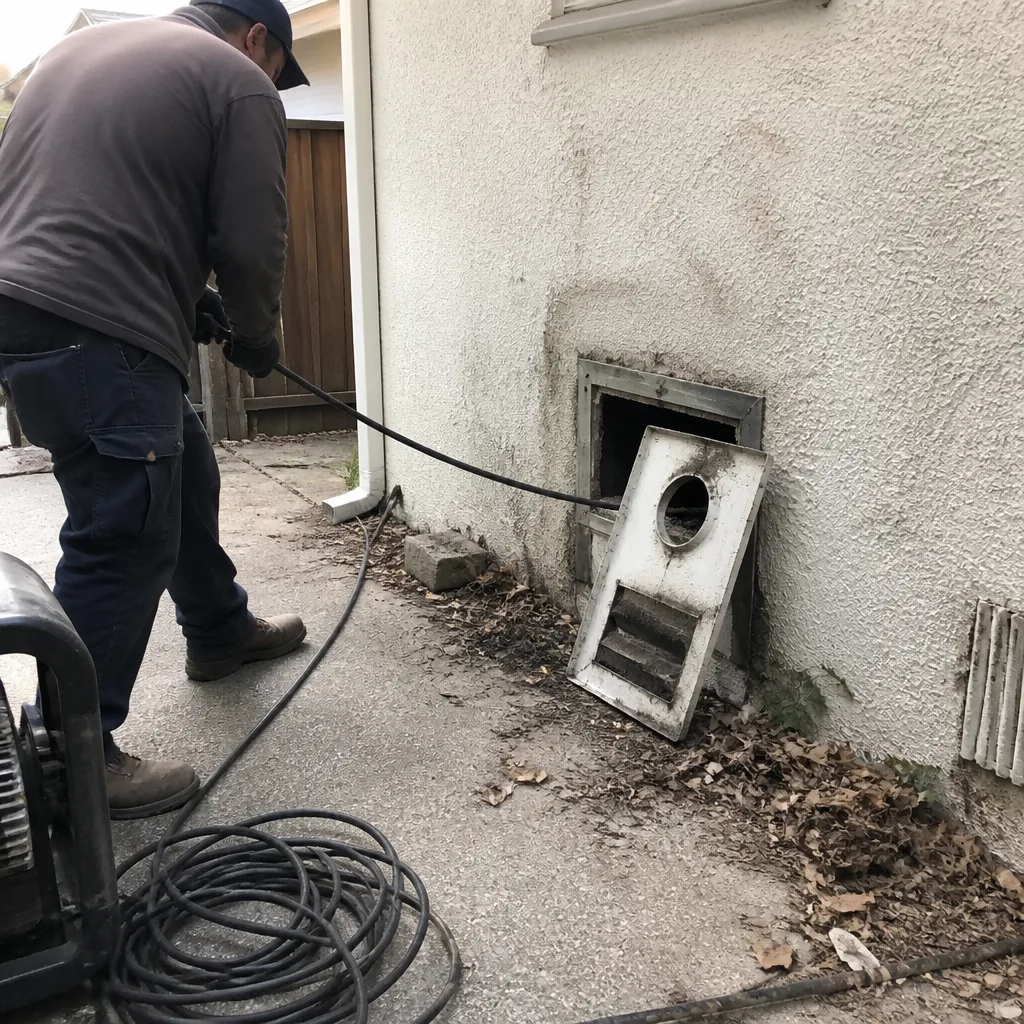 Before
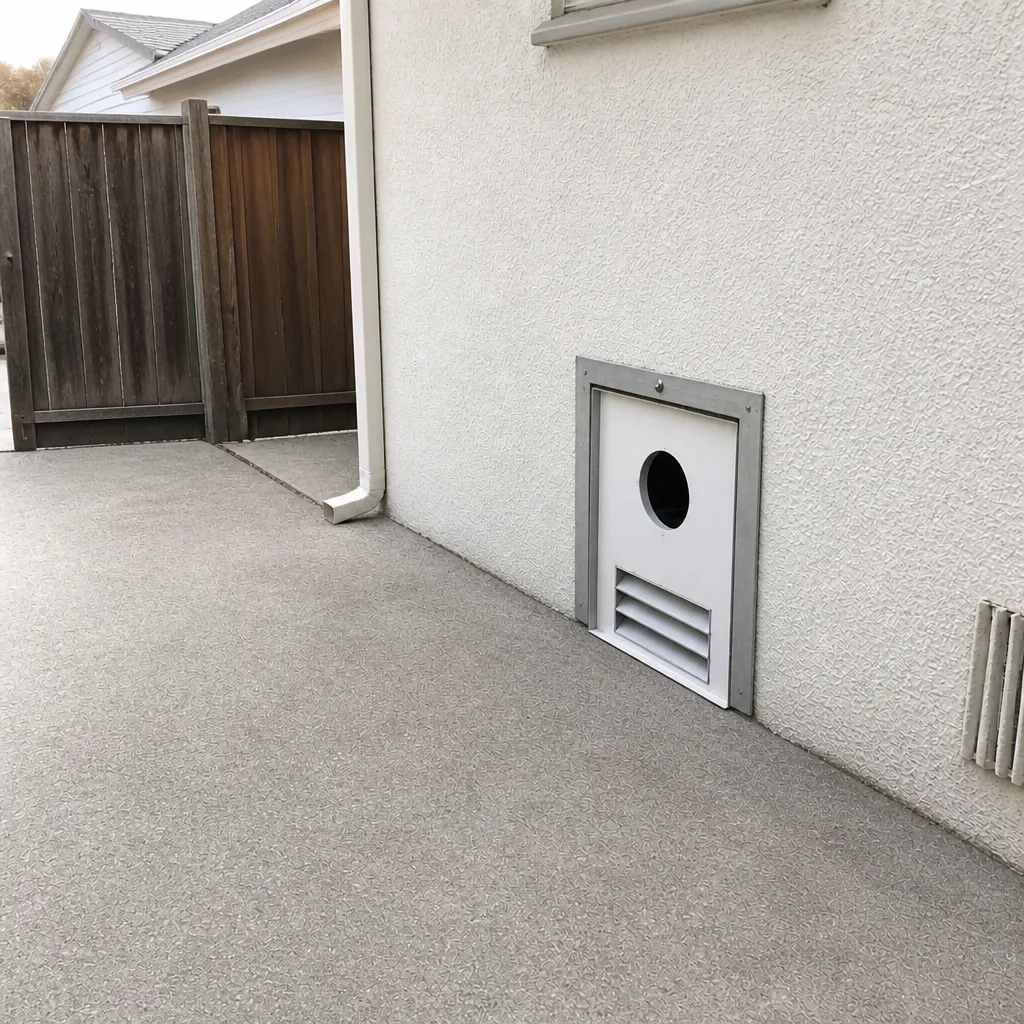 After
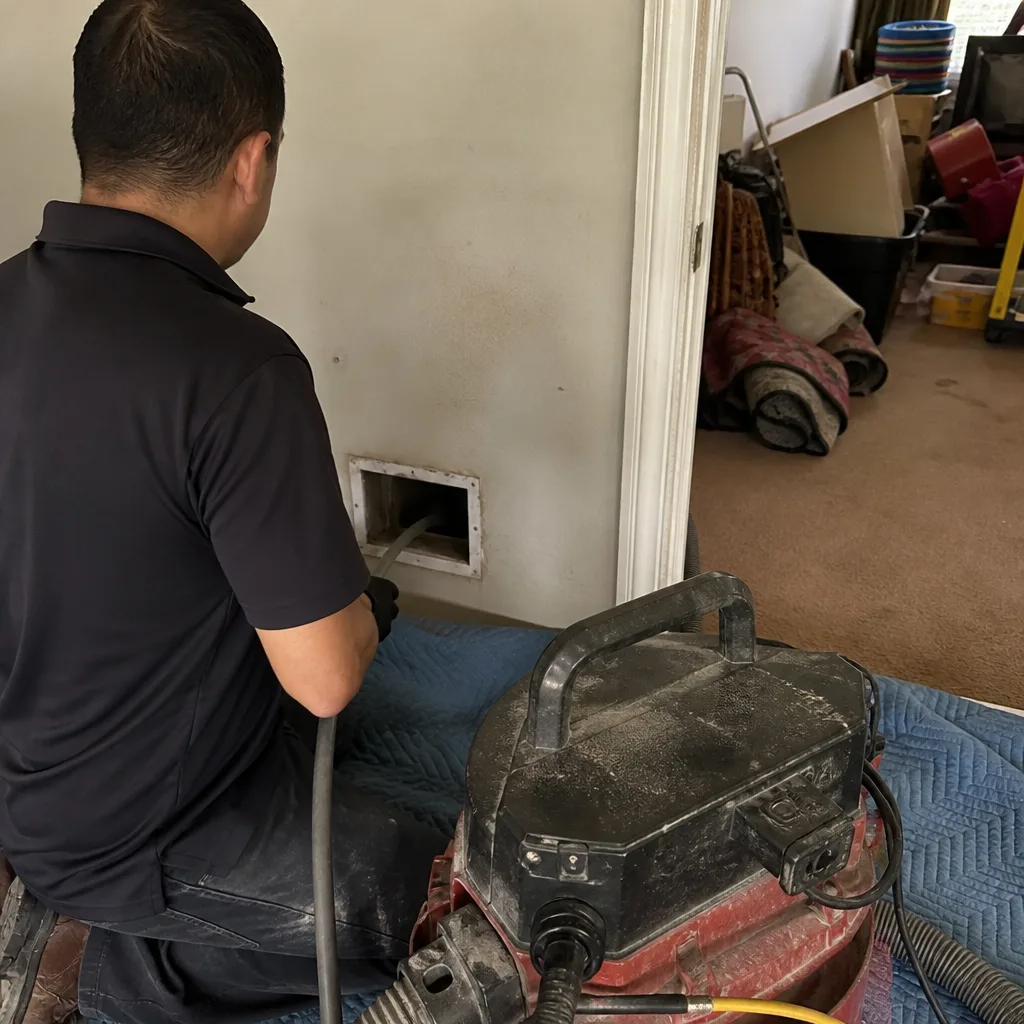 Before
 After
 Before
 After
Common Mistakes to Avoid
- Replacing the HVAC unit before checking the ducts. A new furnace or air conditioner cannot fix a collapsed duct run. The airflow problem will remain, and you will have spent thousands on equipment that was not the issue.
- Hiring a cleaning-only company for a structural problem. A vacuum truck does not re-support sagged flex duct or seal disconnected joints. If the duct is broken, cleaning it just gives you a clean broken duct.
- Ignoring a musty smell because it is faint. Microbial growth inside duct insulation does not stay faint forever. By the time the smell is obvious, the problem is usually widespread.
- Closing registers in unused rooms to save energy. Your system is balanced around its total duct volume. Closing registers increases static pressure and can actually worsen leaks at the remaining connections.
- Assuming the dryer vent is fine because the dryer still works. A dryer will keep running long past the point where lint buildup has become dangerous. The machine does not know the vent is restricted. The fire risk builds silently.
- Putting off duct repair because it seems expensive. Duct leaks cost you money every month in wasted energy. The repair usually pays for itself faster than most home comfort upgrades.
Frequently Asked Questions
A blocked air duct shows up as weak airflow from specific registers, rooms that never reach the thermostat setpoint, whistling sounds at the register, and dust streaks around vent covers. In Arden-Arcade homes, a blocked duct is often caused by a kinked flex run in a hot attic, not by debris alone. Call (833) 734-3714 for a diagnosis, and we will tell you whether the blockage is a cleaning issue or a structural repair.
Cleaning addresses debris buildup inside structurally sound ducts. Repair addresses physical failures like collapsed flex duct, disconnected joints, torn duct board, and leaky boots. If you see weak airflow in one room, that is usually a repair issue. If you see dust blowing from multiple registers but airflow is steady, that is usually a cleaning issue. Many Arden-Arcade homes need both, since years of debris accumulate alongside gradual structural wear.
One consistently hot room points to a duct distribution problem, not an HVAC equipment failure. The most common causes in Sacramento Valley homes are a disconnected flex duct joint, a kinked run, or a damper that has slipped. The air handler is producing enough cooling. The duct serving that room is not delivering it. This is a repair fix, and it is usually resolved by re-supporting and re-sealing the duct run.
Dirty ducts can restrict airflow, but the bigger bill impact in Arden-Arcade homes comes from leaky ducts. A leak in the supply or return system forces the HVAC unit to run longer cycles to reach the set temperature, and that runtime shows up on your bill. Sealing duct leaks is often the single most effective improvement for reducing cooling costs in a Sacramento Valley summer.
The general recommendation for most Sacramento Valley homes is to have air ducts cleaned every three to five years, though homes with pets, recent construction, or residents with allergies often benefit from more frequent service. If you have never had the ducts cleaned and the home is over ten years old, you are likely due for a source-removal cleaning using equipment like Rotobrush. The estimate is free, and the written estimate sets the final price.
Source-removal cleaning physically agitates debris off the duct walls before extraction, using equipment like Rotobrush brushes to scrub the interior surfaces. That debris is then pulled out by a high-suction vacuum system like a Nikro. It is a fundamentally different method from a simple blow-and-vacuum approach, which pushes air through the ducts without scrubbing the walls. Source-removal is the professional standard for removing years of accumulated buildup from duct interiors.
The Bottom Line
Your duct system is the least visible but most consequential part of your home’s comfort and safety. In Arden-Arcade, where summer heat puts real stress on flex duct and attic temperatures accelerate joint failure, duct problems are common and often misdiagnosed. Weak airflow points to structural duct failure. Musty odors combined with airflow loss point to moisture and microbial growth. High energy bills point to leaks. Knowing which symptom maps to which cause helps you call the right professional for the right fix. Some homes need a source-removal cleaning with Rotobrush equipment. Others need structural repair that most cleaning companies do not offer. We handle both, along with dryer vent cleaning for the fire-safety side of the equation. Call (833) 734-3714 for a free estimate. We answer 24/7. Fast dispatch from 7am to 7pm, Sunday through Friday.
Written by the team at Copper Air Duct Cleaning, serving Arden-Arcade since 2011.