
Last updated November 4, 2026
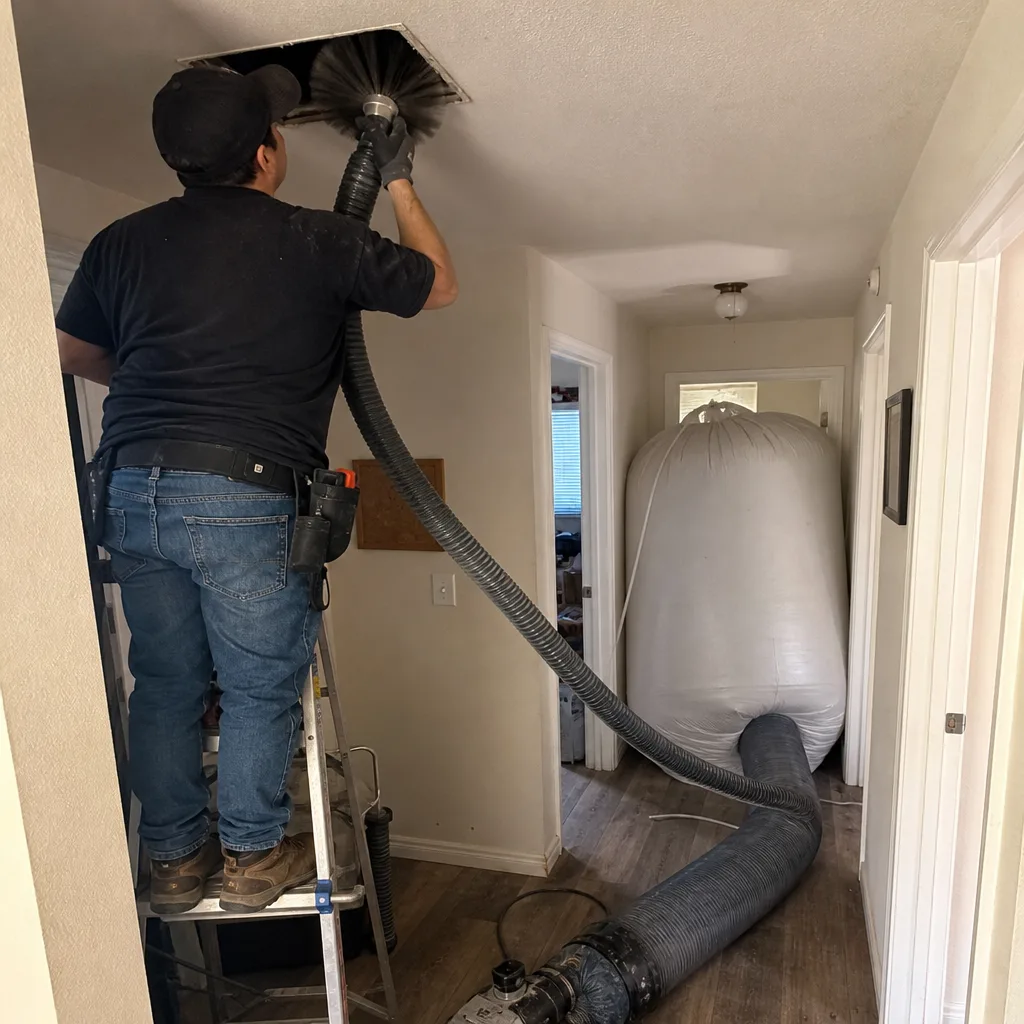
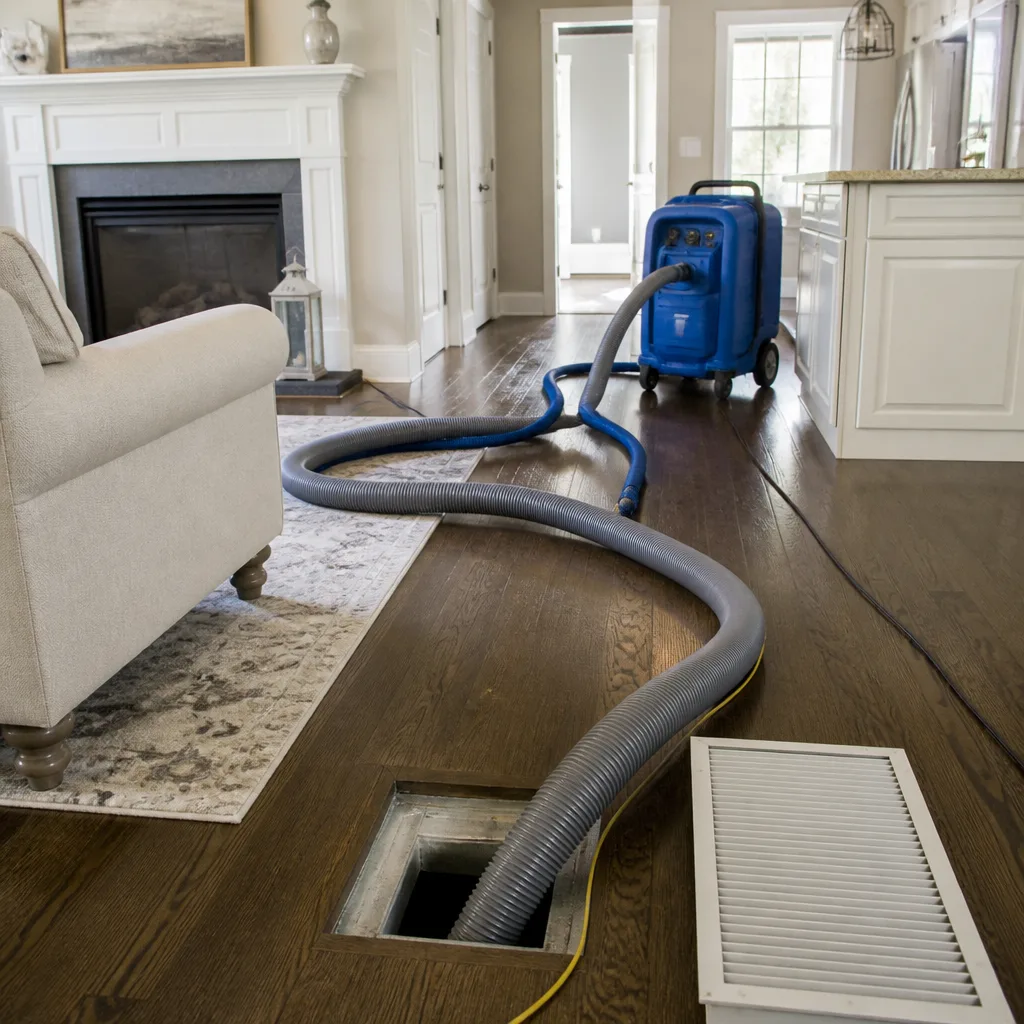 Whole-home duct cleaning
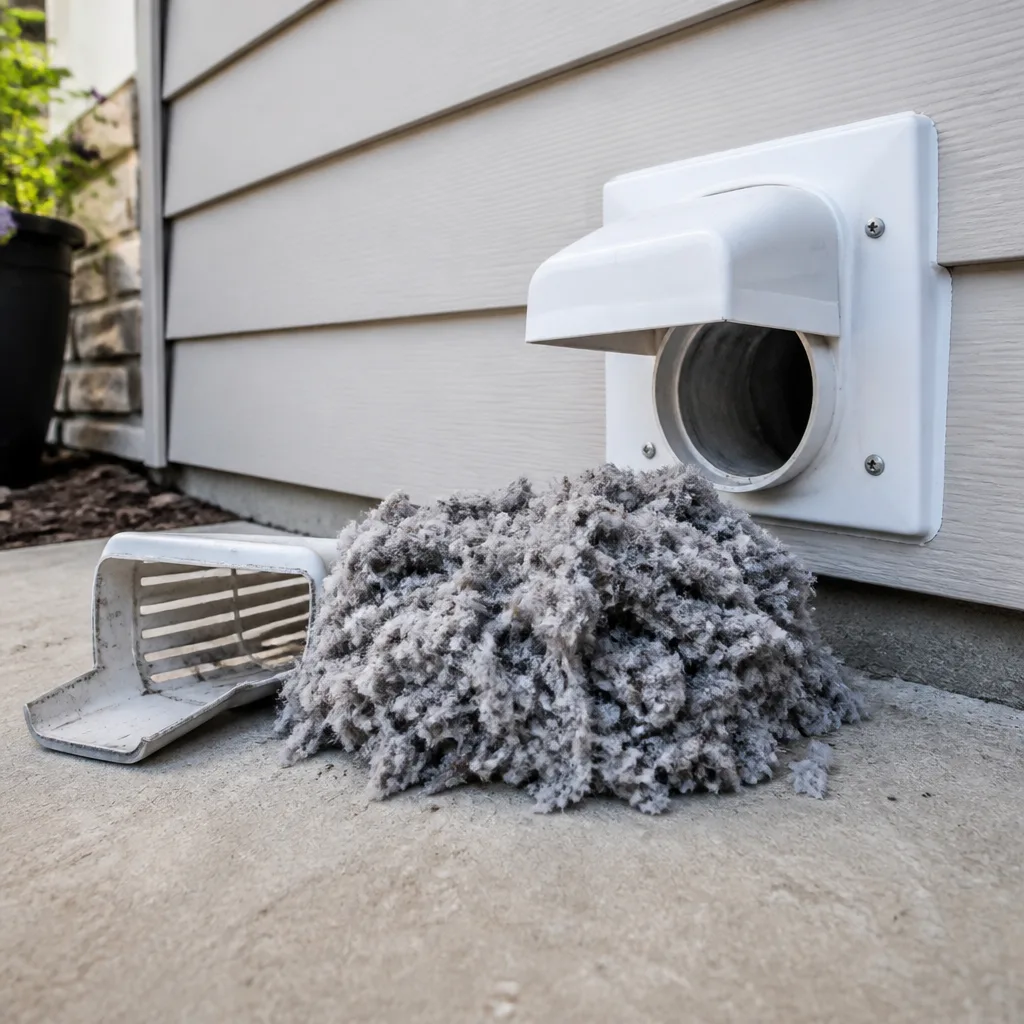 Dryer vent cleaning
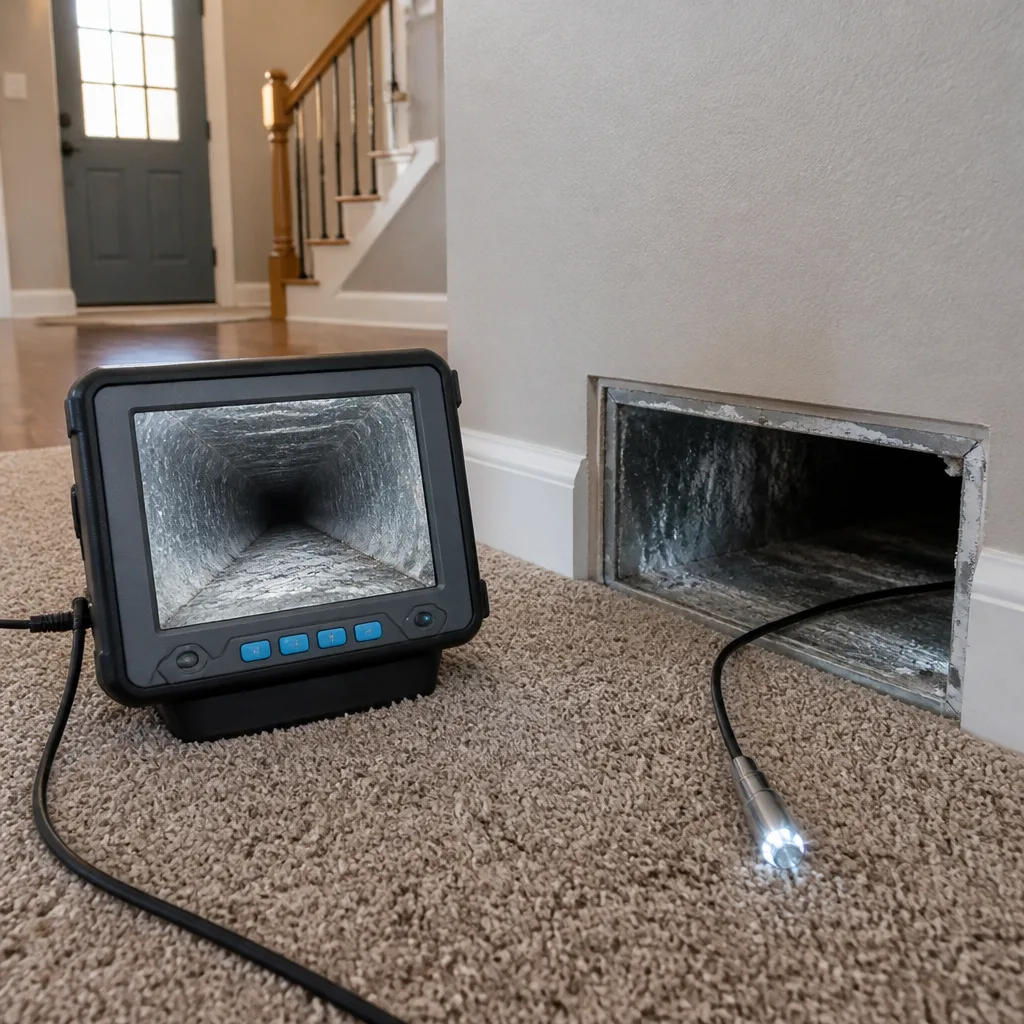 Camera inspection
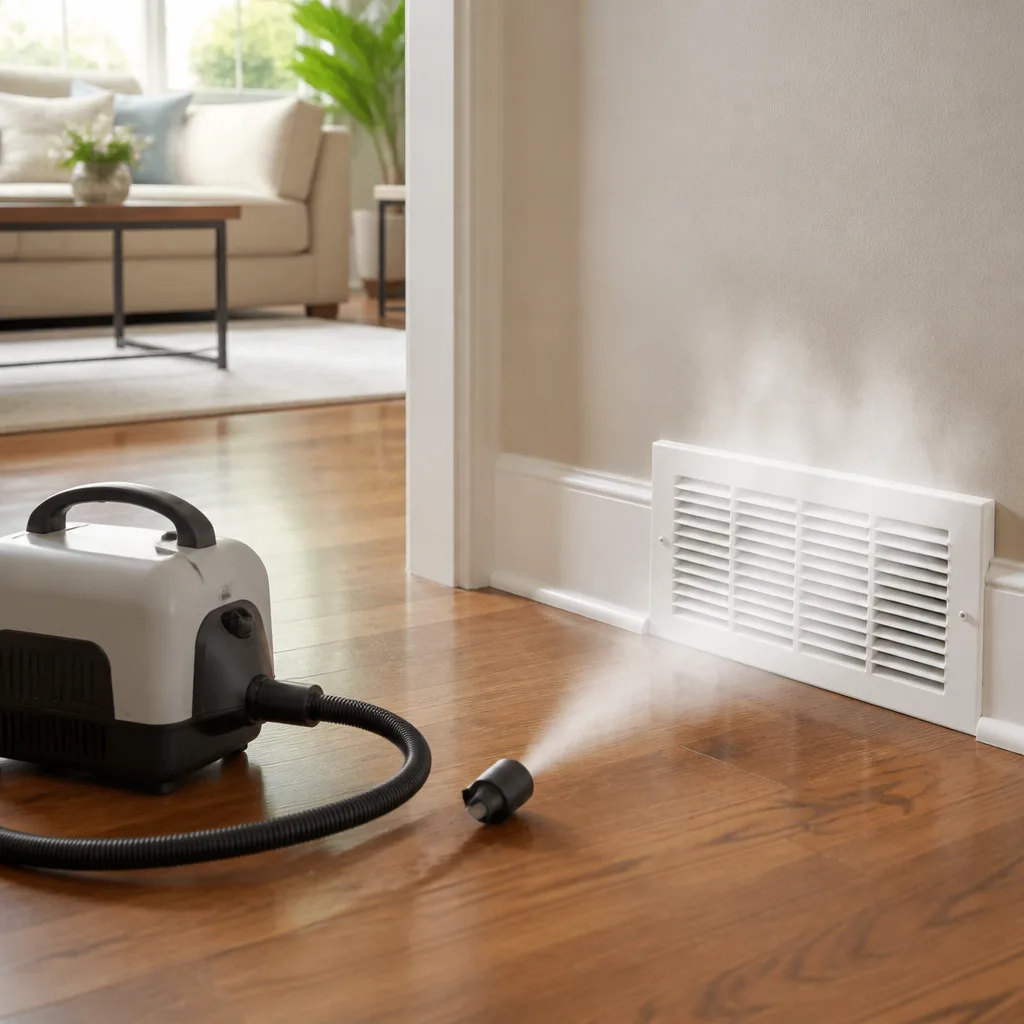 Sanitizing & deodorizing
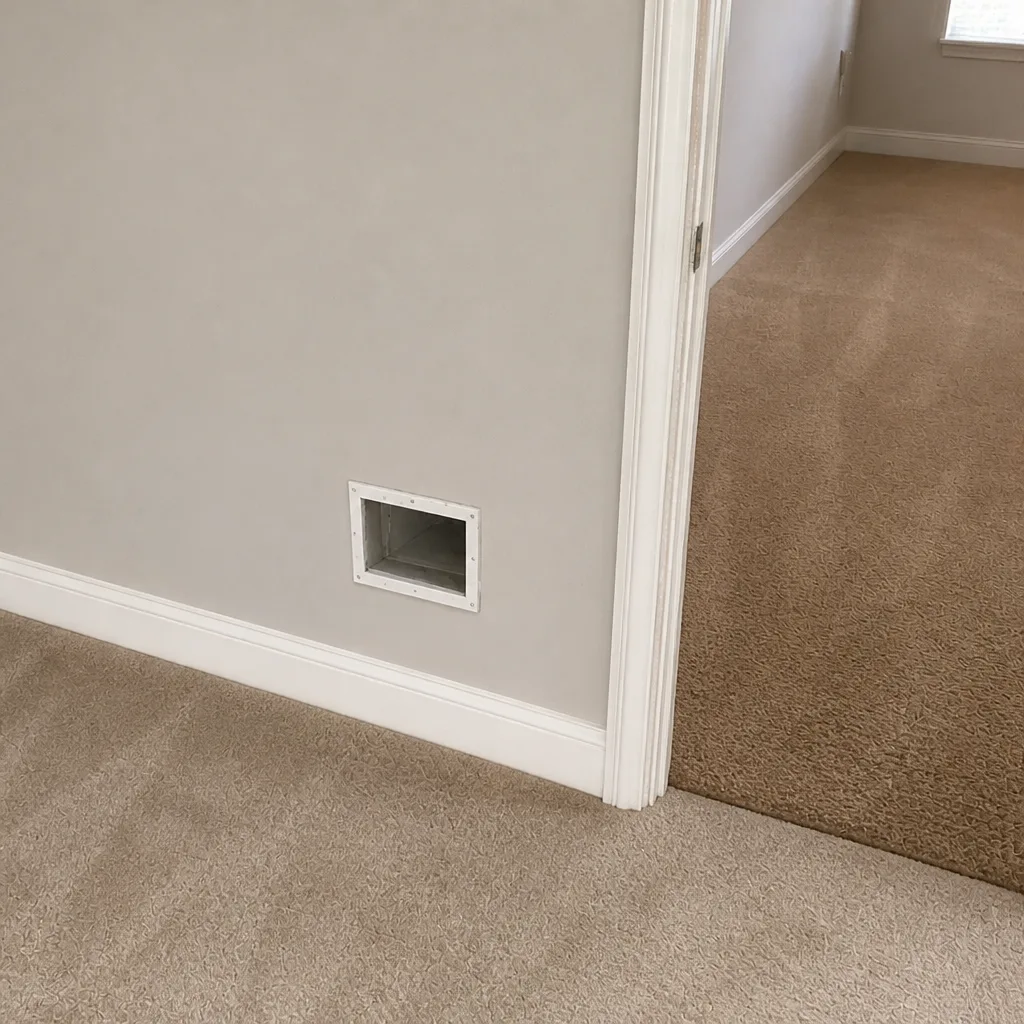
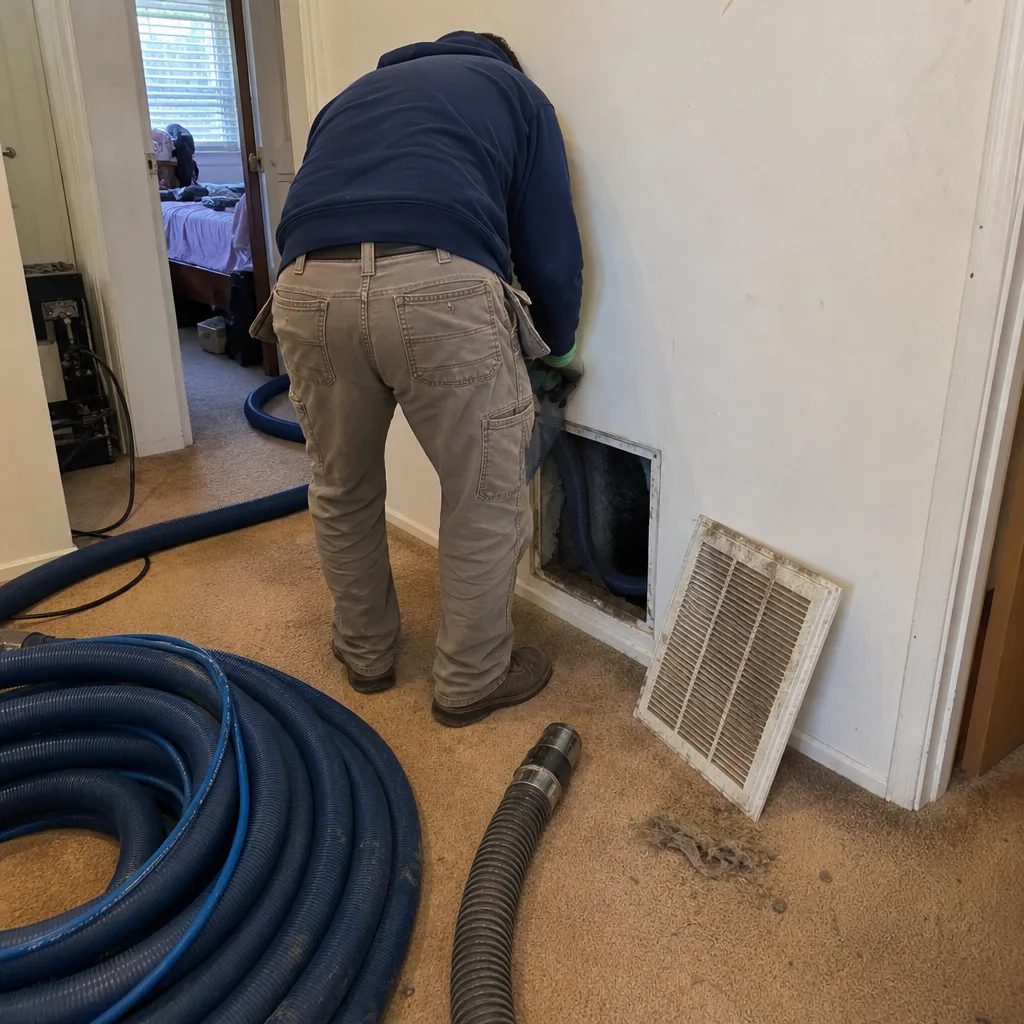
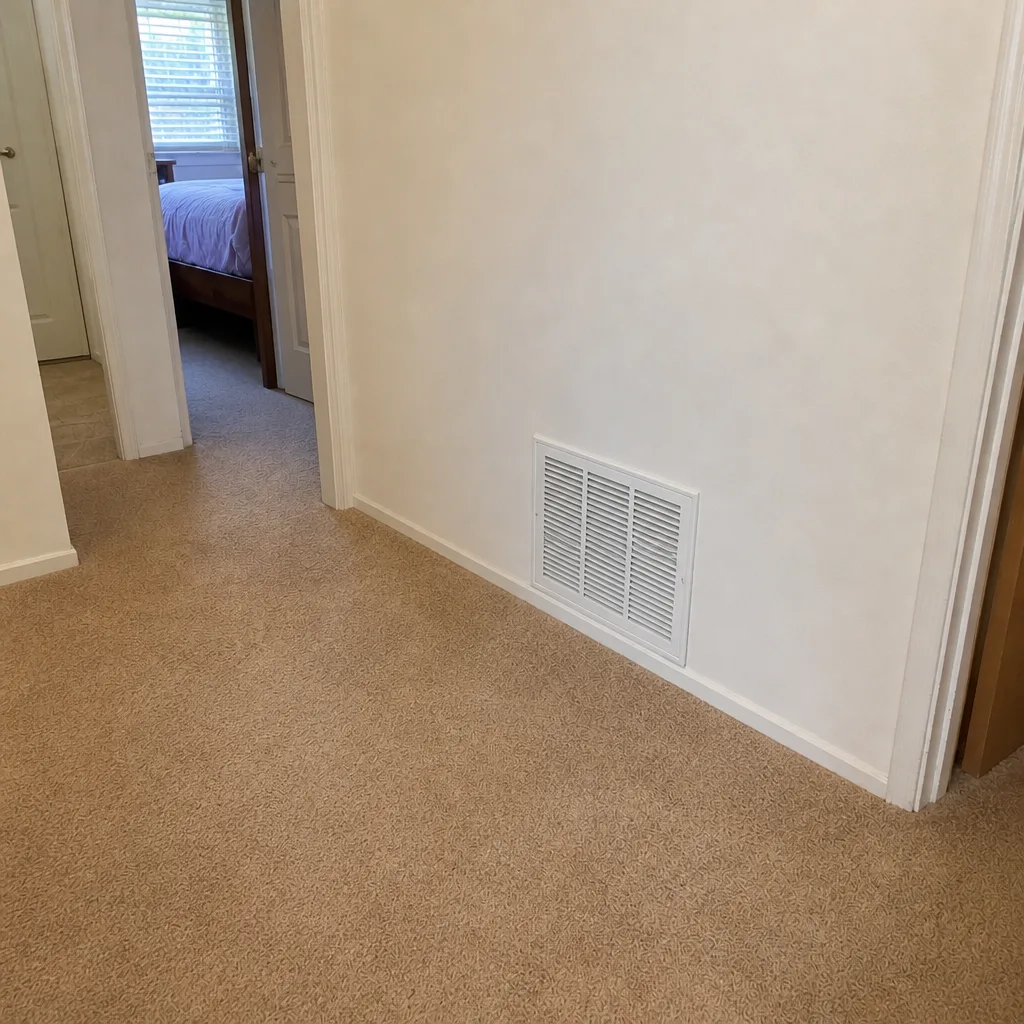
Whole-system duct and dryer vent check with before-and-after photos - you see exactly what came out of your vents
That "$99 whole-house special" is a bait ad - the real number appears once they are in your hallway, or the "clean" is a shop-vac at the register. We photograph the inside of your ducts before and after instead.
Air Duct Cleaning Maintenance Schedule: What to Do and When
Most homeowners in Arden-Arcade are maintaining their ductwork on a schedule that no longer matches reality. The standard advice to clean every three to five years was built for a California climate that existed before wildfire smoke became a recurring seasonal event, before valley agricultural dust intensified with expanded farming corridors, and before summer attic temperatures started routinely pushing past 140°F. If your maintenance calendar still assumes a mild, predictable environment, you’re protecting a system that doesn’t exist anymore. This guide lays out a tiered maintenance schedule specific to how ductwork actually ages and accumulates debris here, including what you can check yourself, when to call a professional, and how to keep a service log that makes every future visit more effective.
Quick Answer
In Arden-Arcade, most homes need professional air duct cleaning every 2 to 3 years rather than the generic 3-to-5-year interval, due to wildfire smoke particulate, valley dust, and attic heat stress on flex ductwork. You should change standard 1-inch filters every 1 to 3 months depending on the season, inspect accessible ductwork visually every spring and fall, and schedule professional service immediately after any renovation, rodent infestation, or wildfire smoke event that leaves visible ash around your registers. A written maintenance log turns each service call into a documented baseline, so you’re never guessing when the last cleaning happened or whether airflow readings have changed.
Styles & brands we work with
- Whole-home duct cleaning
- Dryer vent cleaning
- Camera inspection
- Sanitizing & deodorizing
Table of Contents
- Why the Standard 3-5 Year Advice Fails in Arden-Arcade
- The Seasonal Maintenance Calendar for Arden-Arcade Homes
- Monthly and Quarterly DIY Checkpoints
- Professional Service Triggers That Override the Calendar
- Wildfire Smoke: The Maintenance Accelerant Most Guides Ignore
- Attic Heat and Flex Duct Aging in Arden-Arcade
- How to Keep a Maintenance Log That Actually Matters
- Signs Your Ducts Need Attention Right Now
Why the Standard 3-5 Year Advice Fails in Arden-Arcade
The three-to-five-year cleaning interval most often cited comes from general guidance that never accounted for what Arden-Arcade’s air actually carries. This part of Sacramento County sits in a valley bowl where agricultural dust from surrounding farmland settles rather than disperses, especially during summer inversion patterns that hold particulate low to the ground. That dust doesn’t just drift past your return registers; it gets pulled into the system, coats duct walls, and builds up faster than it would in a coastal or forested climate.
Then there’s the smoke. Since 2017, wildfire seasons in Northern California have become an annual certainty, and smoke events that once lasted days now stretch for weeks. Fine particulate from these fires measures well under 2.5 microns, which means it bypasses most standard furnace filters and works its way into the duct lining itself. Once embedded, that particulate doesn’t get removed by a filter swap; it requires source-removal cleaning, the kind that physically agitates the duct walls before extraction.
A homeowner who waits five years between cleanings in Arden-Arcade is typically looking at a significantly dirtier system than someone on the same interval two hundred miles west. It’s not neglect; it’s a schedule mismatch. The maintenance plan has to account for what the air actually delivers to the return plenum, not what a generic national guideline assumes.
The Seasonal Maintenance Calendar for Arden-Arcade Homes
Arden-Arcade’s climate is defined by long, hot summers, mild winters, and two shoulder seasons that matter more than most people realize. Here’s how to structure your duct maintenance around the year, broken into the two seasons that deserve the bulk of your attention and the two that call for lighter check-ins.
Late Spring (May): Pre-Summer Service Window
- Change your filter before the cooling season starts. Your HVAC system runs hardest from June through September, and you want a clean filter going into that load. If you use a standard fiberglass filter, replace it. If you run a higher-MERV pleated filter compatible with Aprilaire or Honeywell housings, check it more carefully, as these capture more particulate but also load faster.
- Wipe down supply registers and return grilles. Household dust accumulates on register faces during the mild months when windows are open. Damp-cloth the visible surfaces and vacuum any debris you can reach without opening the ductwork itself.
- Visually inspect accessible flex duct in the attic. Walk the attic perimeter if it’s safe to do so and look for sagging, crushed sections, or cracked outer jackets. Flex duct that touches the attic floor or is kinked around a truss loses airflow before the summer heat even arrives.
- Schedule professional cleaning if your last service was more than 24 months ago. Waiting until July means competing with every other homeowner whose cooling bills just spiked. Late spring appointments give you a clean system before the heaviest-use season.
Late Fall (October): Post-Smoke and Pre-Heating Service Window
- Assess wildfire smoke exposure from the summer. If you had visible ash on outdoor surfaces, smell of smoke indoors, or hazy skies for more than a week during fire season, your ducts likely absorbed smoke particulate. This is the single most common professional trigger for Arden-Arcade homes, and it’s almost impossible to assess by looking at the outside of a supply register because the particulate settles deeper in the system.
- Change your filter again. A filter that ran through a smoke season is spent, even if it doesn’t look dirty. Discoloration is a lagging indicator; smoke loads the media faster than visible dust does.
- Check dryer vent flow. As temperatures drop and the heating season begins, the dryer becomes a more frequent appliance in many households. Lint buildup inside the duct run reduces exhaust flow and raises the fire risk. A quick outdoor check is simple: the dryer should move air strongly enough to push the vent flap open fully while running. If it barely flutters, the vent needs attention.
- Look for rodent evidence in accessible duct areas. Cooler weather pushes rodents toward warm spaces, and duct runs in attics and crawl spaces are prime entry points. Droppings, gnawed flex duct jackets, or scratching sounds from the ceiling require immediate attention, not a “wait until spring” approach.
Air duct cleaning performed twice a year is overkill for most homes, but twice-yearly inspection is not. The key is knowing which checks you can do yourself and which require a professional with extraction equipment that reaches what you can’t see.
Monthly and Quarterly DIY Checkpoints
Between seasonal service windows, there are things a homeowner in Arden-Arcade should be doing regularly. Most of these take under ten minutes and cost nothing. What they do is build a pattern of awareness so that a change in the system’s behavior registers early, before it becomes a costly repair or a full-system replacement.
Monthly Filter Check (or More Often During Smoke Events)
- Hold the filter up to a light source. If you can’t see light through the media easily, it’s loaded. Replace it regardless of what the packaging says about longevity. Filter manufacturers rate lifespan for ideal conditions, not Arden-Arcade’s summer dust load.
- During active wildfire smoke, check weekly. Smoke loads filters in days, not months. A filter that looks dark after one smoke event has done its job; replace it rather than asking it to keep working.
- Always use the correct size and MERV rating for your system. A high-MERV filter that your air handler can’t breathe through will starve the system and shorten its life. If you’re not sure what your blower can handle, ask when you schedule your next service.
Quarterly Register and Vent Wipe-Down
- Remove each supply register and vacuum the visible boot. Use a brush attachment and get what you can reach. Don’t push debris deeper into the system; you’re just clearing the entry point.
- Wipe return grilles thoroughly. Return grilles collect more visible dust than supply registers because they’re pulling air in. A sticky film on the return face is a strong indicator that the duct interior has similar buildup.
- Note any register that consistently stores more debris than its neighbors. One dirty register while others stay clean often indicates a specific duct run issue, like a compromised section or a poor seal at the boot. This is worth mentioning on your next service call.
Quarterly Dryer Vent Exterior Check
- Check the exterior vent flap while the dryer runs. A weak flow or a flap that doesn’t fully open means the vent line is restricting. Dryer vent cleaning is a dedicated service that addresses this directly, and ignoring weak flow is how lint fires start.
- Never route a dryer vent into an attic, crawl space, or garage. The exhaust carries moisture and lint; both belong outside. If you find that a previous homeowner did this, it’s a fix-worthy issue, not a “live with it” situation.
Professional Service Triggers That Override the Calendar
A maintenance calendar is the baseline, not the whole system. Certain events make the calendar irrelevant because they introduce debris loads or structural stress that a normal schedule never anticipated. When any of these occur, professional service is the right next step regardless of when your last cleaning happened.
Renovation or Construction Dust
Drywall sanding, floor refinishing, cabinet installation, and even heavy painting all generate fine particulate that your HVAC system pulls in while it runs. If you’ve done any renovating, your ducts have renovation dust in them. It’s not a question of whether, only how much. This dust is abrasive and fine, and it works its way into the blower assembly, duct liner, and coil surfaces. A cleaning after the work is done, not during, is what prevents that dust from being circulated through the living space for months afterward.
Rodent Evidence
Droppings, gnawed flex duct, nesting material, or the smell of rodent urine from your registers are absolute service triggers. The health risk of rodent waste in an air stream is a documented concern, and the physical damage to ductwork is often worse than the visible evidence suggests. Rodents chew through the inner liner and outer jacket of flex duct, creating bypass leaks that pull attic air into the conditioned space. This is also where the repair scope matters: a technician who only cleans can’t close the entry point or replace the compromised sections. Copper Air Duct Cleaning offers air duct repair as a core service, not an afterthought, so a rodent-damaged system can be fixed in the same visit rather than cleaned and left vulnerable.
New HVAC Equipment Installation
A brand-new heat pump or furnace connected to dirty existing ductwork is a compromised system from day one. The new blower will immediately begin pulling old debris into the coil and distributing it through the house. The right sequence is professional cleaning before or immediately after installation, so the new equipment starts with a clean distribution network. We repair what others just clean around, but in the case of a new system, the cleaning comes first so the repair never becomes necessary.
New Occupant with Allergies or Respiratory Sensitivities
A new home always carries the previous occupant’s particulate history in its ducts: pet dander, dust, smoke residue, and whatever else settled into the system over years. If someone in the household has asthma, allergies, or another respiratory condition, professional source-removal cleaning is a reasonable starting point. It resets the baseline so that any symptom tracking afterward reflects the current environment, not the accumulated past.
Visible Mold Growth or Persistent Musty Odor
An odor you only smell when the system runs is almost always coming from inside the ducts or the coil. Mold growth in ductwork is less common in dry climates than in humid ones, but it does occur in areas of the system that see condensation, particularly around the evaporator coil in Arden-Arcade’s hot summers when the AC runs for months. This is not a DIY situation; the affected material needs professional assessment, and in many cases, partial duct replacement.
Wildfire Smoke: The Maintenance Accelerant Most Guides Ignore
Wildfire smoke changed the maintenance math for every homeowner in Arden-Arcade, and most of the standard advice hasn’t caught up. The EPA’s classic guidance on duct cleaning intervals predates the era when Sacramento County regularly experienced weeks of unhealthy air quality from regional fires. If that guidance is all you’re following, you’re using a schedule written for a different climate history.
Smoke particulate is uniquely problematic for duct systems. It measures in the sub-2.5-micron range, which means standard fiberglass filters and even many pleated filters don’t capture it efficiently. The particulate that passes through the filter either enters the living space directly or settles inside the ductwork, where it adheres to the walls and liner. Then, during the next heating or cooling cycle, airflow across those walls picks up a percentage of it and redistributes it through the house. The smell that lingers for weeks after a smoke event isn’t coming from your drapes; it’s coming from the ducts.
The only reliable way to remove settled smoke particulate is source-removal cleaning. That’s the method where the cleaning tools physically agitate the duct walls before extraction, dislodging material that a negative-air vacuum alone would leave behind. We use Rotobrush source-removal equipment on every cleaning because smoke particulate and fine valley dust require contact agitation to break their adhesion. A blow-and-vacuum approach can’t do that, and in a post-smoke-event system, the difference is measurable: one method removes the material; the other redistributes some of it.
If you’ve lived through a significant smoke season in Arden-Arcade and haven’t had service since, the question isn’t whether your ducts hold smoke particulate. It’s how much. Both answers point to the same next step.
Attic Heat and Flex Duct Aging in Arden-Arcade
Arden-Arcade attics regularly exceed 140°F in summer. That’s a hard number for any material to endure year after year, and flex duct is especially vulnerable. The outer jacket is a polyethylene vapor barrier that becomes brittle with repeated heat cycling; the inner liner is a separate layer that can leak. When the jacket cracks, the duct loses its insulation integrity. When the inner liner tears, it leaks conditioned air directly into the attic.
This heat stress is why annual visual inspection of accessible ductwork is non-optional here. It isn’t about finding the kind of dramatic failure a homeowner would notice; it’s about catching the early signs, hairline jacket cracks, slight sagging between supports, chafing where a duct run crosses a truss, before those small compromises become large bypass leaks. A flex duct with a cracked outer jacket still moves air. It just moves less of it, and it costs more to move, because the system has to run longer to compensate.
One more heat-specific point: attic dust in Arden-Arcade is extremely fine and dry, the result of months of low humidity and decades of accumulated valley particulate. That dust gets pulled through any gap, any poorly sealed boot, any cracked liner. The dust doesn’t cause the crack, but it finds it quickly. A system with compromised flex duct always tests dirtier than an intact one, because the leak draws unfiltered attic air directly into the conditioned space.
If your energy bills climb during the summer while your indoor comfort stays flat, the ductwork is often the missing variable. An inspection that measures airflow and checks accessible runs is the diagnostic step most people skip.
How to Keep a Maintenance Log That Actually Matters
A maintenance log without the right information is just a list of dates. The point of documentation is to create a baseline that makes every future service call faster, more accurate, and more accountable. Here’s what a useful duct maintenance log contains, whether you keep it in a notebook, a spreadsheet, or a home-management app.
- Service dates and scope. Every professional cleaning or repair, with the service performed, the technician’s observations, and any recommendations. If a section of flex duct was replaced, note which run and why. If the technician flagged a future concern, write it down with the date. A verbal mention on a service call is forgotten in a month; a written note is reviewable forever.
- Before-and-after photos of the return plenum and supply boots. Any professional cleaning should include visual documentation; it is the simplest way to verify that the work was done. Requests for photos should never be a negotiation. Companies that clean with proper equipment and process are proud of their photos. If a provider won’t show them, that’s a signal about the service itself. We document every job with photos because clean ducts are measured, not assumed.
- Filter changes with date, brand, size, and MERV rating. This creates a loading-rate baseline. If you notice that the same filter brand and MERV rating is lasting four months in one season and two months in another, that’s information: the system is pulling more particulate at certain times of year. Filter brand matters because media quality varies, and tracking it consistently removes that variable.
- Airflow readings if you’ve had them measured. Static pressure or CFM readings from a professional assessment tell you whether the system is moving the air it should. A single reading is informative; a series of readings over years is diagnostic. A downward trend in CFM with an unchanged filter and a clean system points toward duct leaks, coil fouling, or blower wear.
- Event notes. Wildfire smoke weeks, renovations, rodent sightings, new pets, new occupants, all of it. These contextual notes explain anomalies in the data. A dirty filter in August after a smoke event is normal; a dirty filter in a clean January is a signal something else changed.
A maintenance log also protects you when you sell the home. A buyer who sees documented service history with photos and airflow data is looking at evidence of a maintained system, not a seller’s verbal assurance. In a market where inspection contingencies are common, that documentation has real value.
Signs Your Ducts Need Attention Right Now
Some conditions don’t wait for the next seasonal checkpoint. If you’re seeing any of these in an Arden-Arcade home, schedule service now rather than at the next convenient window. Delaying these doesn’t make them cheaper; it makes the system dirtier, the ductwork more likely to need repair, and the indoor air worse in the meantime.
- Dust reappears on surfaces within a day or two of cleaning. If the flat surfaces in your home constantly re-coat with fine dust, the distribution system is recirculating what’s already inside the ducts. This isn’t normal Arden-Arcade dust settling; it’s a dirty system actively distributing particulate.
- Visible dust or debris around supply registers while the system runs. A register that visibly huffs dust when the blower kicks on is a direct sign that the duct interior is loaded. This means professional cleaning, not just a register wipe-down.
- Uneven temperatures between rooms with no obvious cause. A room that’s consistently warmer in summer or cooler in winter than the rest of the house, despite clean filters and open registers, often points to a compromised duct run rather than a system sizing issue.
- Musty or burning-dust odor on system startup. A dust smell in the first minute of operation is normal for any forced-air system. A dust smell that lingers or returns with every cycle, or any musty odor at all, needs professional assessment.
- Rattling, whistling, or banging sounds from the ductwork. Noises that weren’t there before indicate loose connections, detached flex, or debris moving inside the system. All of these are service triggers.
- Dryer takes more than one cycle to dry a standard load. The dryer itself is often fine; the vent line is restricted. Dryer vent cleaning addresses the root cause directly, and the fire-safety stakes make this a fix-now item rather than a fix-later one.
Common Mistakes to Avoid
Most problems we encounter in Arden-Arcade duct systems are not mysterious. They follow from a small number of avoidable mistakes, repeated for years. Here are the ones that cost homeowners the most.
- Following a generic national cleaning interval without adjusting for local conditions. Arden-Arcade’s combination of valley dust, smoke seasons, and attic heat means your system works harder and accumulates faster than the national average. A schedule calibrated for Portland or Phoenix is not calibrated for your return plenum.
- Buying the cheapest filter without checking what your system can handle. The cheapest filter does the least filtration, but the most expensive high-MERV filter can starve a residential blower. The right filter is the one your system can breathe through while capturing what you actually need it to capture. Ask rather than guess.
- Cleaning only one component and calling it done. A company that cleans the supply ducts but skips the return side, or cleans ducts but never mentions the dryer vent, has done a partial job. The system is the whole system: supply, return, plenum, coil, and the appliances that share the air stream.
- Ignoring flex duct damage because the system still works. A cracked jacket or sagging run doesn’t stop the system; it just makes it work harder and leak conditioned air. The repair bill grows with every summer of inattention. Air duct repair should be part of the conversation with any professional service, not a separate discovery months later.
- Assuming a cleaning is a repair. Source-removal cleaning will make a dirty duct system clean. It will not close a hole in flex duct, replace compromised liner, or fix a rodent entry point. Knowing the difference matters when you’re comparing service scopes: cleaning is cleaning, repair is repair, and a company that does only one is leaving the other on the table.
- Never documenting anything. A homeowner with three years of filter-change dates and one cleaning photo knows more about their system than a homeowner with a vague memory and a receipt. The log is the single cheapest maintenance tool that exists, and the least used.
- Scheduling everything reactively. If the only time the ducts get addressed is when something smells wrong or a room stops cooling, the system is already in failure mode. Scheduled inspections catch small problems before they become large ones.
See the difference
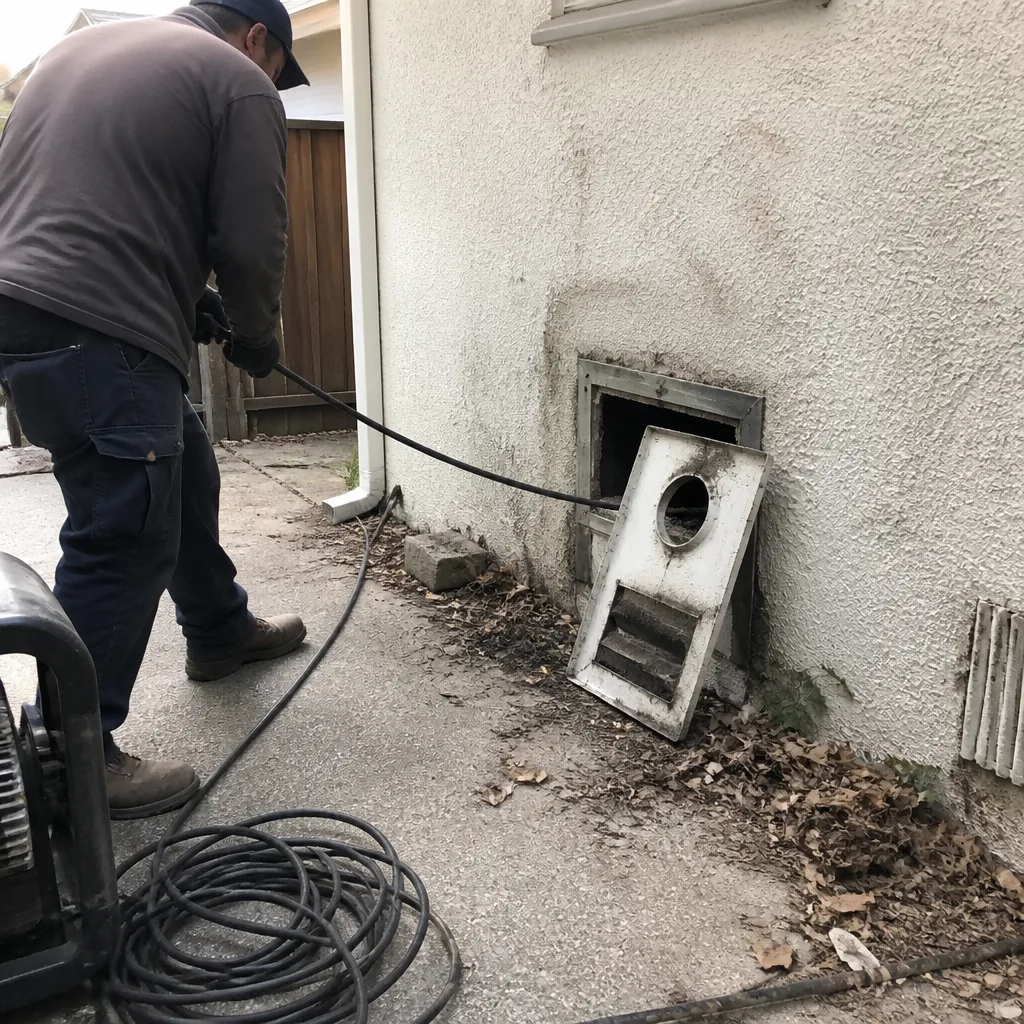 Before
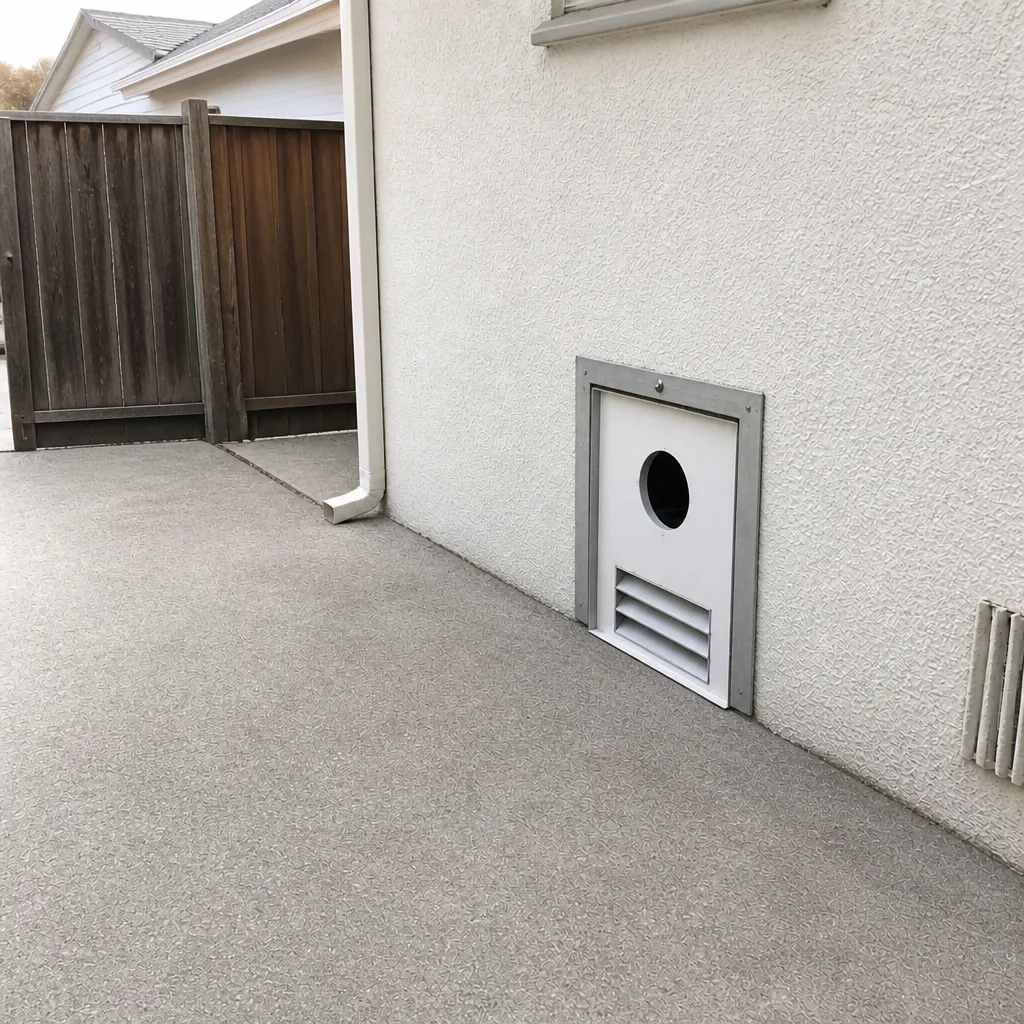 After
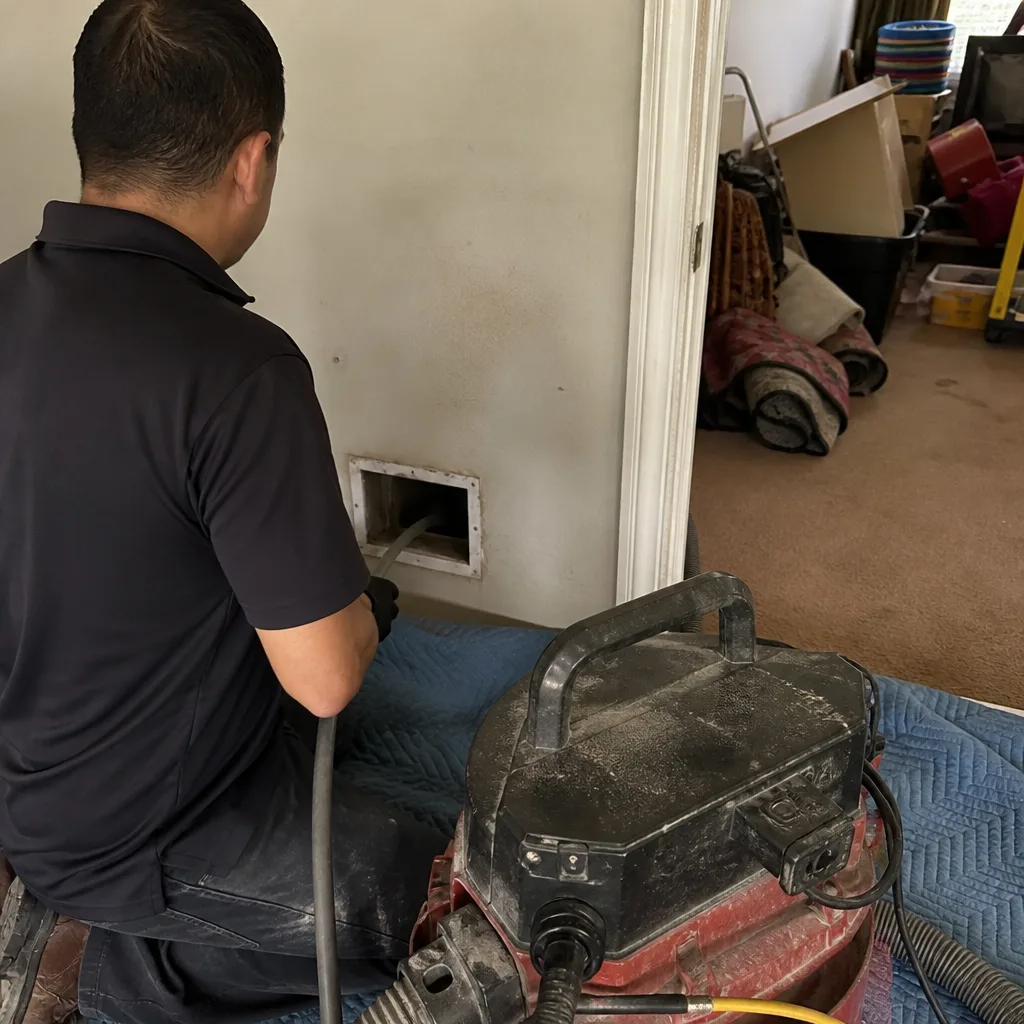 Before
 After
 Before
 After
When to Call a Professional
Any of the service triggers described above is a legitimate reason to call. So is any condition you can’t fully see or diagnose yourself, which is most of what a duct system actually involves. You can’t see the inside of a flex duct run from a register. You can’t measure static pressure with a visual inspection. You can’t determine whether the particulate in your return plenum is smoke residue, renovation dust, or rodent contamination without professional equipment and trained eyes. If you’ve been in an Arden-Arcade home for more than two years without professional service, or if you’ve lived through a wildfire smoke season since your last cleaning, the reasonable next step is an estimate. Copper Air Duct Cleaning offers free estimates in Arden-Arcade, call (833) 734-3714. We answer 24/7. Fast dispatch from 7am to 7pm, Sunday through Friday.
Frequently Asked Questions
Most Arden-Arcade homes should have professional air duct cleaning every 2 to 3 years, rather than the generic 3-to-5-year interval. The shorter cycle reflects the valley dust, wildfire smoke particulate, and attic heat stress that make local duct systems work harder and accumulate debris faster. Call (833) 734-3714 for a free estimate if you’re past the two-year mark.
Three compounding factors: agricultural dust from surrounding valley farmland that settles into the return air stream, wildfire smoke particulate that bypasses standard filters and embeds in duct liner, and summer attic temperatures above 140°F that accelerate flex duct cracking. These conditions mean a maintenance schedule calibrated for milder climates will under-serve an Arden-Arcade home.
A filter change addresses what’s still airborne; it does nothing for smoke particulate that has already settled inside the ductwork. Sub-2.5-micron particles pass through standard filters, embed in the duct liner, and release back into the air over subsequent heating and cooling cycles. Source-removal cleaning is the only reliable way to remove settled smoke particulate.
Annual visual inspection in the attic is the only DIY method, and even that only catches visible damage like cracked outer jackets, sagging between supports, or chafing at truss crossings. Airflow measurements and a professional assessment catch what a visual check can’t. If your energy bills climb in summer or rooms lose consistent temperature, the ductwork is often the cause.
A complete service should cover supply and return ducts, the return plenum, and the accessible boots, using source-removal equipment that agitates duct walls before extraction rather than relying on vacuum alone. Before-and-after photos of the plenum should be standard, not a special request. The scope should also include an assessment of whether the ductwork needs repair, not just cleaning.
Air duct cleaning in Arden-Arcade is priced per job by written estimate, not by a flat national figure. The estimate should be free, the price should be agreed before work starts, and the scope should be clear about what’s included. Call (833) 734-3714 for a free estimate, we answer 24/7 and dispatch from 7am to 7pm, Sunday through Friday.
The Bottom Line
Your duct maintenance schedule was probably written for a climate that no longer matches the air Arden-Arcade actually delivers to your system. Wildfire smoke, valley agricultural dust, and attic heat above 140°F mean your ductwork accumulates particulate faster, ages its flex components faster, and needs professional attention more often than the national average. The baseline is simple: filter changes every 1 to 3 months, visual inspections every spring and fall, professional cleaning every 2 to 3 years, and immediate service after any smoke event, renovation, rodent sighting, or new HVAC installation. Document everything. The log you keep today is the diagnostic tool that makes every future service call faster and every future repair smaller. Copper Air Duct Cleaning serves Arden-Arcade with source-removal cleaning, dryer vent service, and duct repair as one continuous scope, because a system is only as good as its weakest section.
Written by the team at Copper Air Duct Cleaning, serving Arden-Arcade since 2011.