
Last updated November 4, 2026
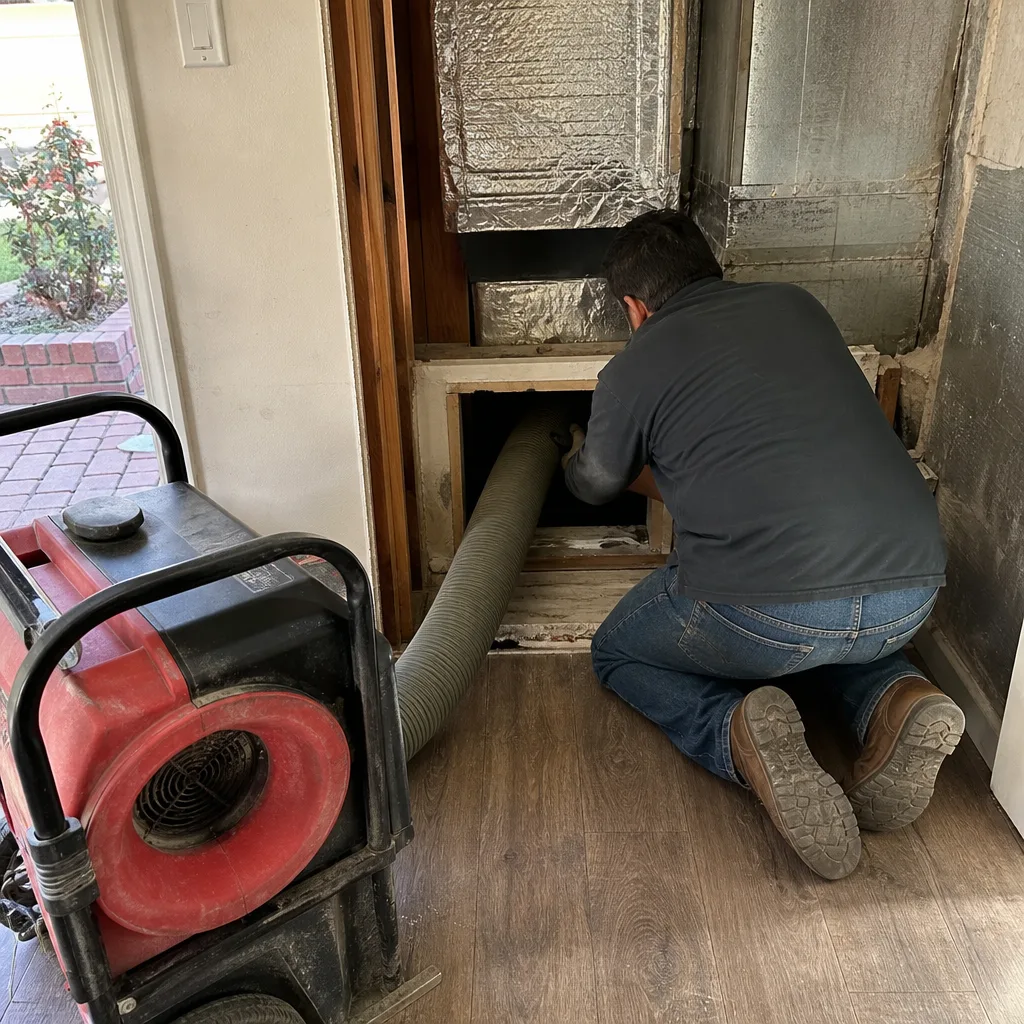
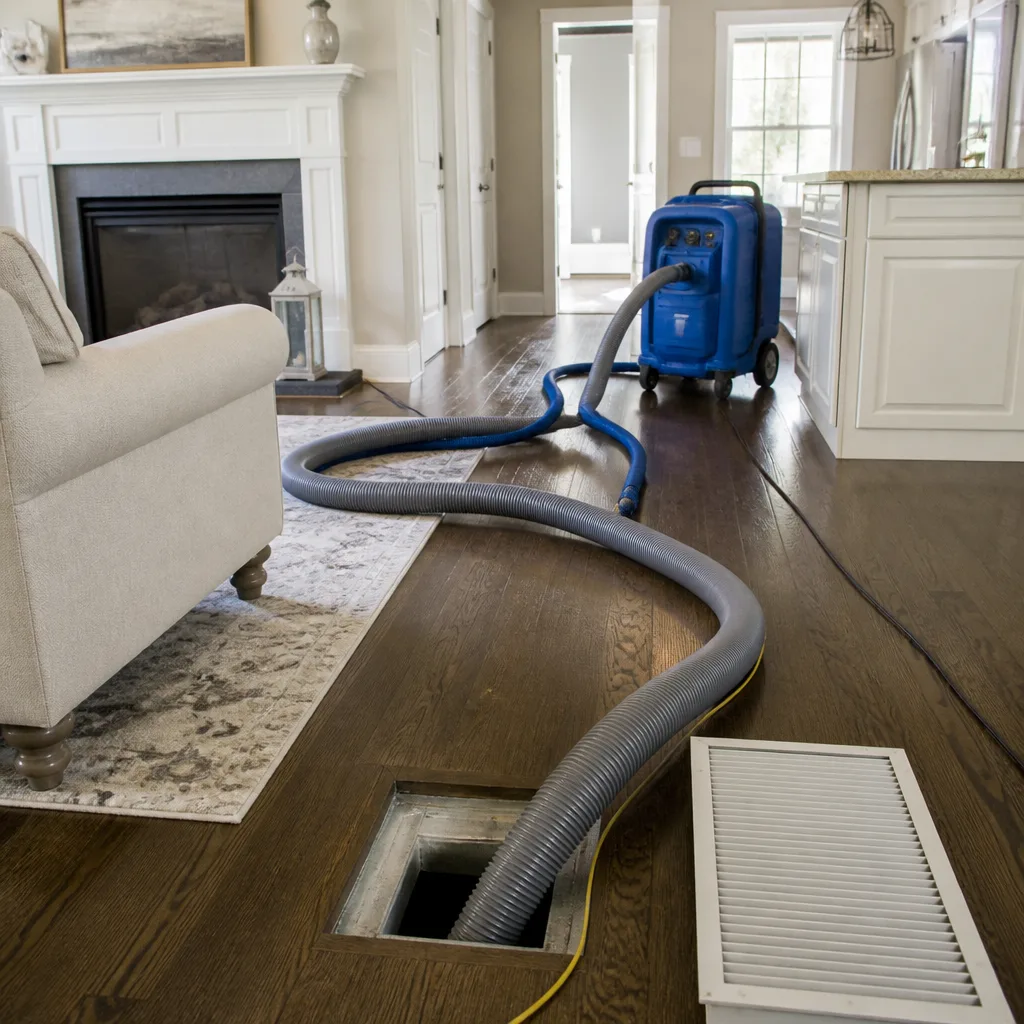 Whole-home duct cleaning
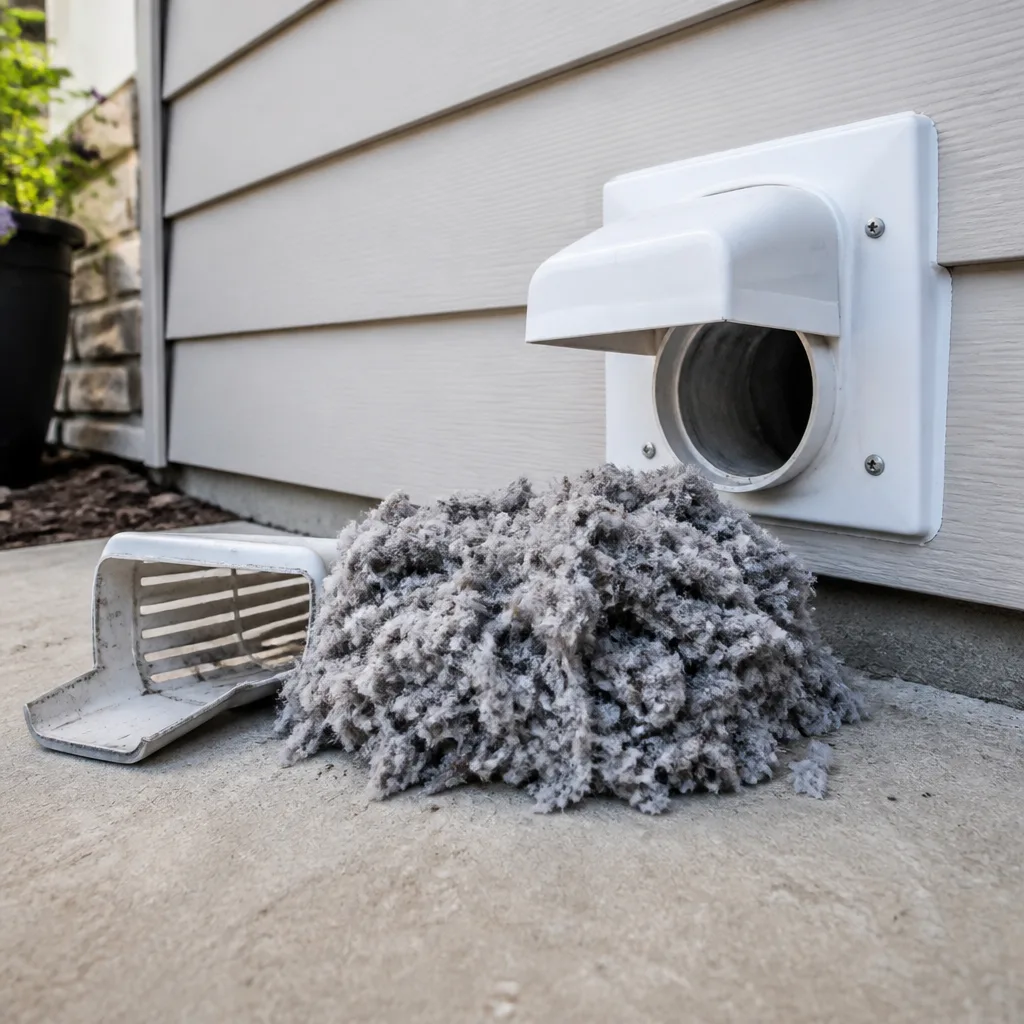 Dryer vent cleaning
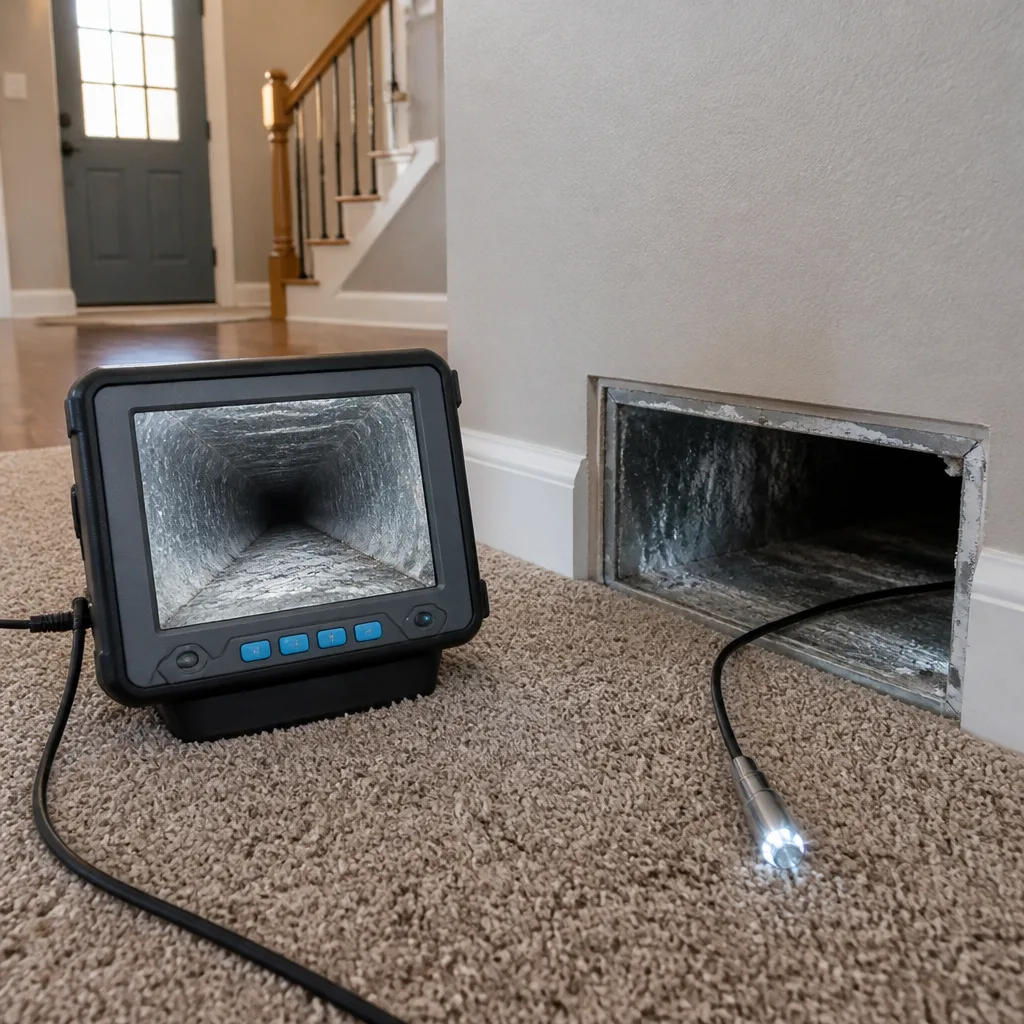 Camera inspection
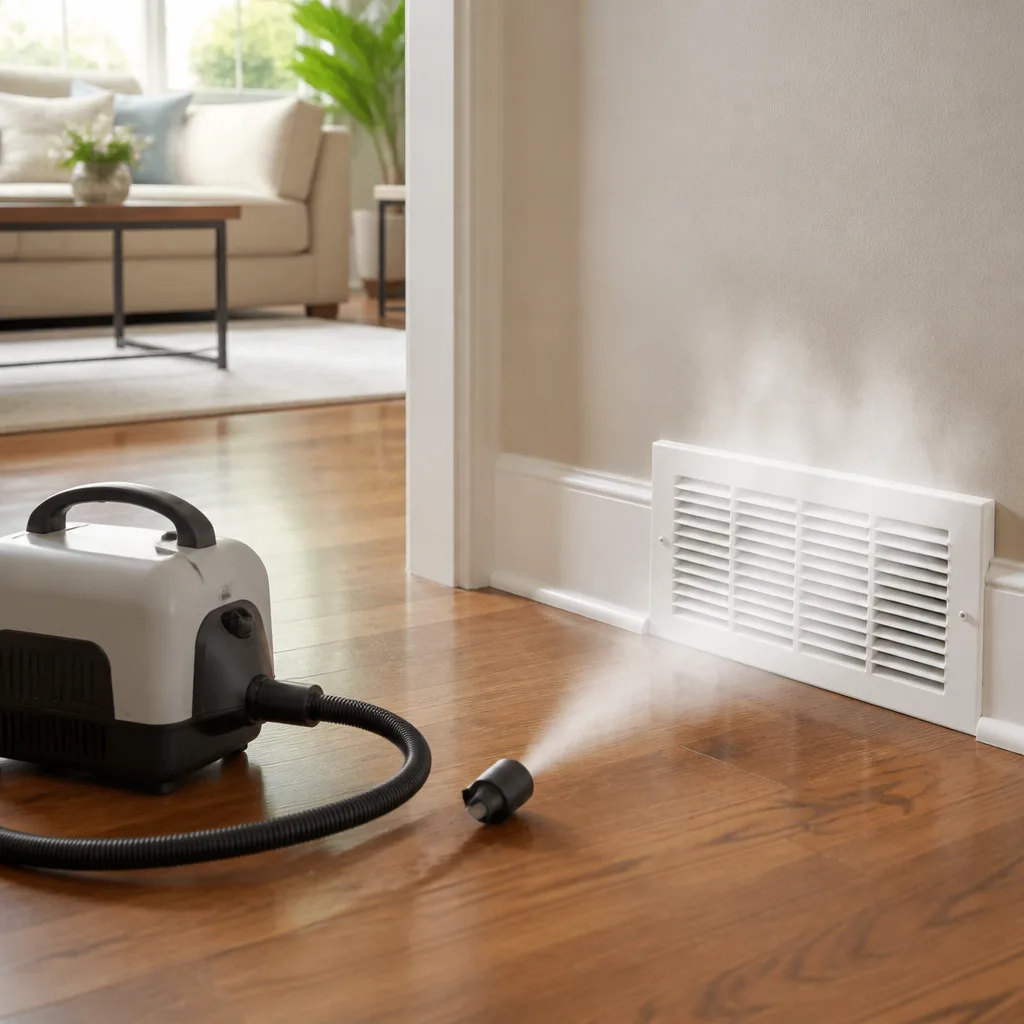 Sanitizing & deodorizing
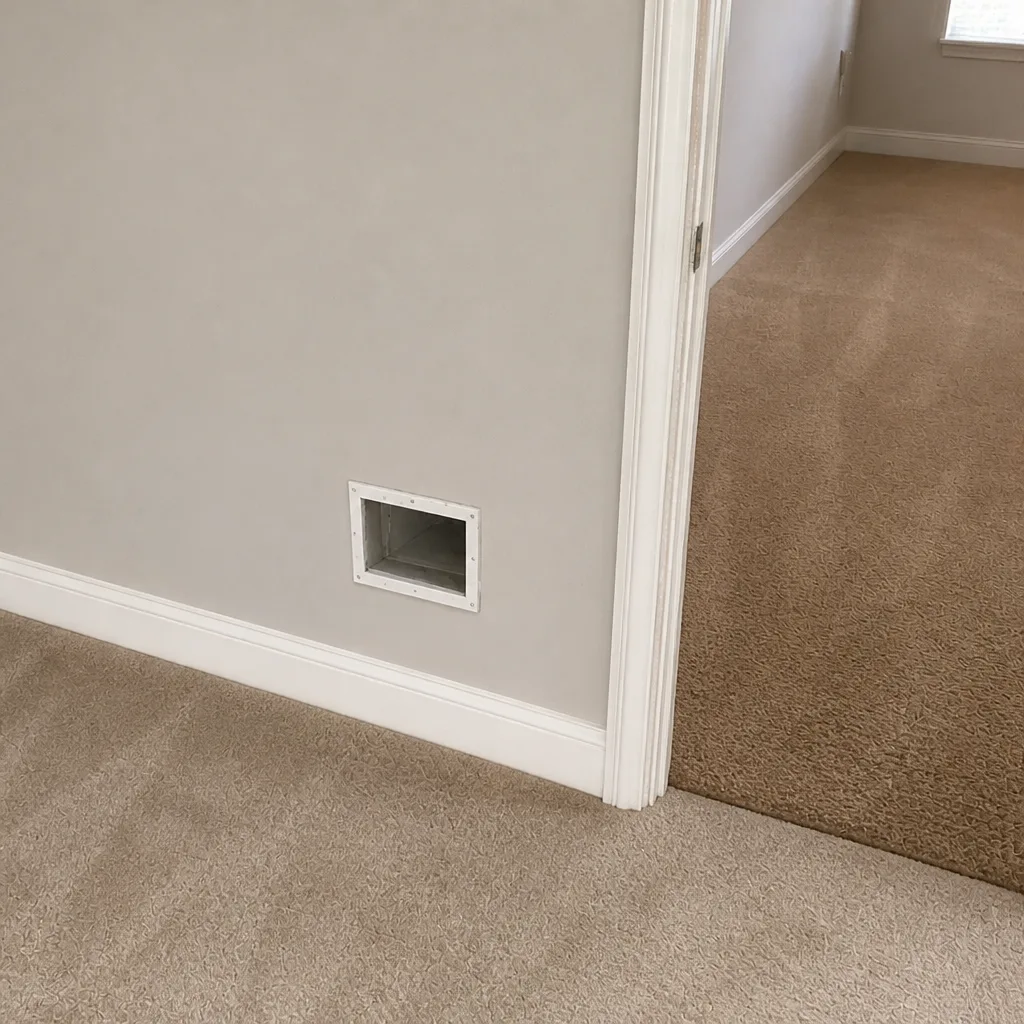
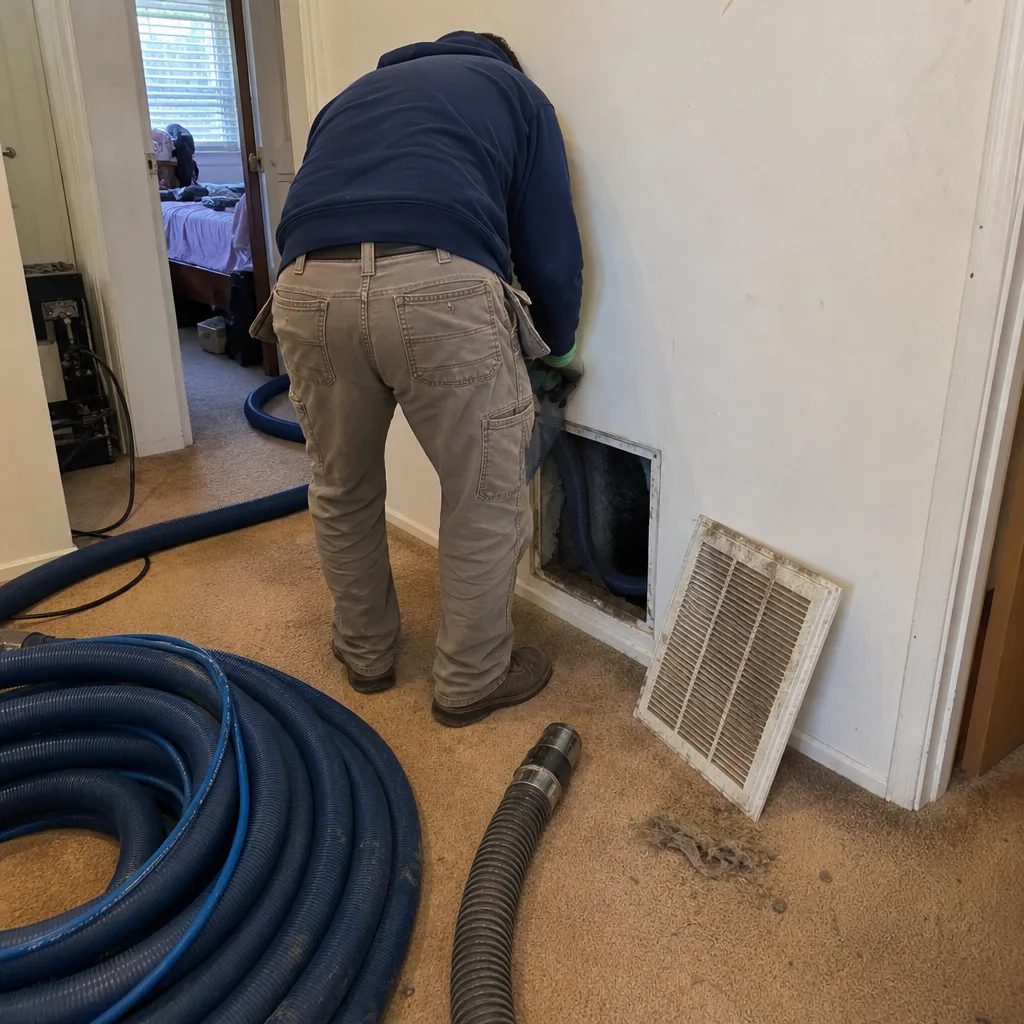
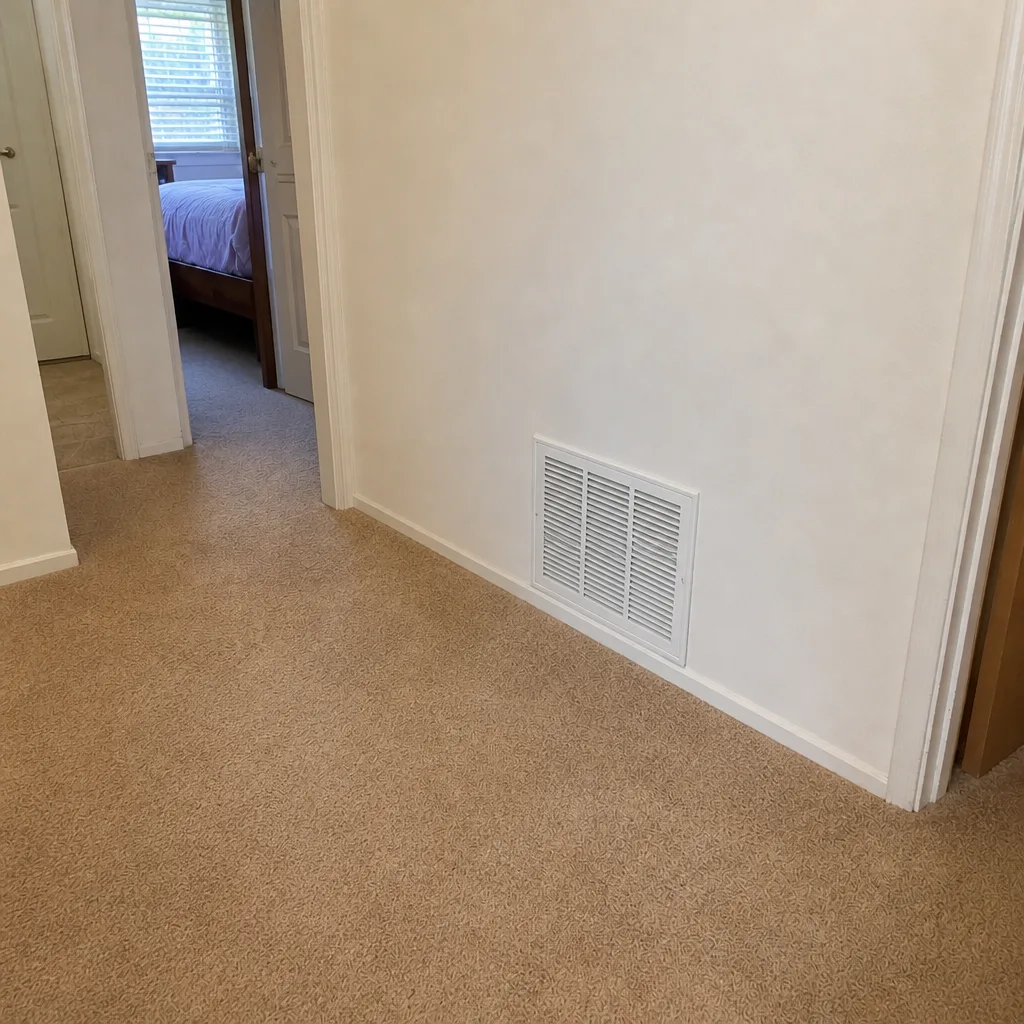
Whole-system duct and dryer vent check with before-and-after photos - you see exactly what came out of your vents
That "$99 whole-house special" is a bait ad - the real number appears once they are in your hallway, or the "clean" is a shop-vac at the register. We photograph the inside of your ducts before and after instead.
Air Duct Cleaning Emergency Preparedness Guide for Arden-Arcade Homes
Most Arden-Arcade homeowners think of duct cleaning as routine maintenance, something you schedule when the seasons change or after a remodel. But in this part of Sacramento County, the real case for understanding your duct system isn’t seasonal dust. It’s the fast-moving emergencies: wildfire smoke that can saturate duct linings in a matter of days, a roof leak that turns a section of insulated ductwork into a mold incubator, or an HVAC failure during a heat wave when the system has been running hard for weeks. This guide walks through the three emergencies most likely to hit Arden-Arcade homes, the response window for each, and the preparation steps that make the difference between a quick cleanup and a full duct replacement. We’ve written it from the perspective of a local duct company, because we’ve seen what happens when homeowners call too late.
Quick Answer
Air duct emergency preparedness for Arden-Arcade homes means planning for three specific events: wildfire smoke events that force contaminated air through duct linings, water intrusion from roof leaks or flooding that starts a 48-hour mold countdown in duct insulation, and HVAC failures that leave you without filtration or cooling. The most important advance steps are knowing where your main HVAC shutoff is, keeping a supply of correctly sized high-MERV filters, and having the phone number ready for a contractor with source-removal cleaning equipment and duct repair capability, not just a vacuum truck.
Styles & brands we work with
- Whole-home duct cleaning
- Dryer vent cleaning
- Camera inspection
- Sanitizing & deodorizing
Table of Contents
- Wildfire Smoke and Your Duct System: The Arden-Arcade Risk Profile
- How to Operate Your HVAC During an Air Quality Alert
- Water Intrusion: Roof Leaks, Flooding, and the 48-Hour Mold Window
- HVAC Failure During Extreme Heat: The Duct System Connection
- Pre-Event Preparation: What to Have Ready Before You Need It
- What to Tell a Contractor When Calling for Emergency Duct Service
- Post-Emergency Assessment: Is Duct Decontamination Actually Necessary?
- Common Mistakes to Avoid
- When to Call a Professional
- Frequently Asked Questions
Wildfire Smoke and Your Duct System: The Arden-Arcade Risk Profile
Arden-Arcade sits in a region where wildfire smoke isn’t theoretical. During the 2020 and 2021 wildfire seasons, Sacramento-area skies turned orange for days at a time, and HVAC systems across the region ran continuously just to keep indoor temperatures livable. What many homeowners didn’t consider at the time was what those systems were doing to their ductwork. A standard return-air setup pulls air from inside the home, but leaks in the return side of a duct system, especially in older Arden-Arcade houses where ductwork runs through unconditioned attics, can draw outdoor smoke directly into the system. That smoke carries fine particulates, and those particulates embed themselves in duct linings, flex duct walls, and the fibrous insulation that wraps rigid metal ducts.
Here’s the part that gets missed in most cleaning conversations: smoke contamination is not the same as household dust. Household dust is mostly dead skin cells, carpet fibers, and tracked-in soil. Smoke particulates are finer, stickier, and chemically different. They bond to surfaces inside the duct system and don’t release with simple airflow. A basic blow-and-vacuum cleaning pass won’t remove them. Source-removal cleaning, where the duct walls are physically agitated before extraction, is what actually dislodges smoke residue. We use Rotobrush source-removal equipment for exactly this reason. The agitation head makes contact with the duct lining and breaks the bond that smoke particulates form, and the extraction system pulls the loosened material out under negative pressure rather than letting it drift into living spaces.
When you’re deciding whether post-smoke duct cleaning is necessary in your Arden-Arcade home, look at three factors. First, how long the system ran during the smoke event. Systems that ran for days on end moved a lot of contaminated air. Second, whether your return ducting has visible leaks or unsealed joints. Third, whether you were running a filter with a MERV rating high enough to actually capture smoke particulates. Standard fiberglass filters, the flat blue ones, catch almost nothing below 10 microns. Wildfire smoke particulates are mostly in the 0.4 to 0.7 micron range. If your system ran through two smoke seasons on one-inch fiberglass filters, the ductwork almost certainly absorbed a measurable load.
How to Operate Your HVAC During an Air Quality Alert
When Sacramento air quality drops into the hazardous range, the instinct is to shut the whole system down and ride it out. That’s sometimes the right call, but not always. The decision depends on what your HVAC system is doing and how it’s configured. Here’s a practical breakdown for Arden-Arcade homes.
If you have a central HVAC system with a fresh-air intake, you need to close that intake or shut the system down entirely. Fresh-air intakes are designed to bring outdoor air into the home for ventilation. During a smoke event, that intake is a direct path for outdoor contamination to enter the duct system. Many Arden-Arcade homes built in the 1980s and 1990s have fresh-air intakes that were installed to meet ventilation requirements of that era, and many of those intakes have dampers that homeowners never touch. Find yours, usually a louvered vent on the exterior wall near the HVAC equipment or a duct running from outside to the return plenum, and close it.
If your system is a closed-loop system with no fresh-air intake, running the fan continuously with a high-MERV filter installed is often the better strategy than shutting everything off. A MERV 13 filter with a deep pleat will capture the majority of smoke particulates while the fan runs, and running the fan keeps positive pressure in the home, which reduces the amount of outdoor air that infiltrates through door seals and window gaps. We recommend keeping a stash of correctly sized MERV 13 filters, ideally deep-pleat models that can handle several weeks of smoke-season runtime without collapsing under the added resistance. Honeywell and Aprilaire both make high-MERV filters that fit common residential filter racks, and if your system has a media cabinet designed for thicker filters, this is the time to use it.
One more note: never run your system during a smoke event with a wet or clogged filter. A saturated filter increases the pressure drop across the blower, makes the blower motor work harder, and can cause the filter to collapse and send accumulated debris into the ductwork downstream. If the filter looks visibly gray or brown after a smoke event, replace it even if the rated service interval hasn’t elapsed. The contaminant load from a week of heavy smoke can exceed a normal six-month dust load.
Water Intrusion: Roof Leaks, Flooding, and the 48-Hour Mold Window
Water getting into a duct system is a different kind of emergency, and it moves faster than most people expect. In Arden-Arcade, the main water intrusion paths are roof leaks above attic-mounted duct runs and flooding from plumbing failures or seasonal storms. When water enters ductwork, it soaks the insulation lining or the fiberglass wrap around metal ducts. That material stays wet for a long time, especially in an attic where there’s no direct sunlight and limited airflow. And once fiberglass insulation is saturated, it doesn’t dry out quickly on its own.
The critical window is 48 hours. Mold spores are present in every home, and they need three things to grow: organic material, moisture, and a surface temperature above roughly 50 degrees. Attic duct insulation in Arden-Arcade hits all three conditions within two days of a water intrusion event. If the ductwork isn’t dried, cleaned, or replaced within that window, you’re not just dealing with a wet spot. You’re dealing with mold growth inside the duct lining, and that mold is now downstream of your filter, meaning it’s being distributed into every room the system serves.
Here’s the sequence we recommend for Arden-Arcade homeowners when water intrusion is suspected:
- Shut the system down at the thermostat and at the breaker. Running the fan through wet ductwork spreads moisture and any mold that’s already started.
- Locate the water source. If it’s a roof leak, you need a roofer before you need us. The ductwork can’t be properly dried until the water stops entering the attic.
- Visually inspect what you can access. Look for sagging flex duct, water staining on duct wrap, or standing water in the drip pan or emergency pan under the air handler.
- Call a duct company that can do more than clean. Wet ductwork often needs more than vacuuming. Depending on the severity, sections of flex duct or insulation-lined duct may need to be replaced entirely. Air duct cleaning addresses surface contamination, but water-damaged insulation often requires repair or replacement, which is a separate service.
The water intrusion scenario is where the equipment conversation matters most. After a roof leak, you don’t want a contractor who shows up, vacuums the duct, and leaves. You want someone who can tell you whether the insulation lining is compromised, whether sections need to be cut out and replaced, and whether the remaining ductwork can be cleaned and decontaminated. That’s the difference between a home that smells musty every summer and a system that’s been properly restored.
HVAC Failure During Extreme Heat: The Duct System Connection
When an air conditioner dies during a Sacramento Valley heat wave, most people think about the condenser, the compressor, or the refrigerant charge. And most of the time, those are the culprits. But the duct system plays a role in extreme-heat failures that often gets overlooked, and it’s worth understanding before you’re sitting in a 95-degree house trying to figure out what went wrong.
Heat-related HVAC failures compound when a duct system is already compromised. Leaky supply ducts in an Arden-Arcade attic, where summer attic temperatures routinely exceed 130 degrees on the hottest days, push conditioned air into unconditioned space instead of into the living areas. The system has to run longer to hit the thermostat setpoint, which puts more wear on the compressor and the blower motor. Leaky return ducts pull superheated attic air into the system, which raises the air temperature entering the coil and forces the system to work harder to remove heat. Neither of these is a duct cleaning issue by itself, but both are duct system issues, and both make a hard run during a heat wave even harder.
What should you do if the AC fails during extreme heat? First, protect the system that remains. Shut off the air handler at the thermostat and the breaker. Check the filter. A clogged filter during a heat wave doesn’t just reduce airflow, it can cause the evaporator coil to freeze, which sends liquid refrigerant back to the compressor and causes catastrophic damage. If the filter is dirty, replace it before restarting anything. Then check the breakers. Then call a licensed HVAC contractor, not a duct company, for the mechanical failure.
After the HVAC contractor gets the system running again, the duct system deserves a look. A hard failure event, especially one where the blower ran continuously under a heavy load, can dislodge large amounts of accumulated debris from the ductwork. And if the system was down for more than a day or two during summer, the stagnant air inside the ducts and the temperature swings in the attic can create condensation that wasn’t there before. A post-repair duct inspection can catch loose connections, separated flex ducts, and moisture problems before they turn into bigger issues.
Pre-Event Preparation: What to Have Ready Before You Need It
Emergency preparedness is mostly about decisions made in advance. In our experience, Arden-Arcade homeowners who have a few simple things in place before a smoke event or a roof leak happen get better outcomes, and the fixes cost less. Here’s what we recommend having ready.
1. Know where your main HVAC shutoff is. This isn’t the thermostat. The thermostat stops the system from running, but it doesn’t kill power at the equipment. Find the breaker or disconnect switch that serves the air handler, usually in the garage, a hallway closet, or next to the exterior condenser. Label it. When you’re dealing with a water intrusion emergency or a smoke event, you need to be able to fully shut the system down in under a minute.
2. Keep a filter stockpile sized to your system. Know your filter size, and keep at least three replacements on hand. During smoke season, you may change filters every two weeks. During normal operation, a three-month supply is enough. If your system has a media cabinet that takes a thicker filter, keep a spare, because those aren’t always available at the local hardware store in the middle of a smoke event when everyone in Sacramento County is doing the same thing you are.
3. Map your duct system. Walk through the house and figure out which supply registers serve which rooms, where the return grilles are, and which rooms get the strongest airflow. This takes 20 minutes and gives you a baseline. If you know that the back bedroom always ran weak before a smoke event, you’ll be able to identify more easily whether the event made it worse. If you’re unsure what a healthy baseline should look like, schedule a duct inspection before an emergency, not after, when there’s less pressure to decide fast.
4. Keep a record of your system setup. Write down the filter size, the condenser and air handler brands, and the approximate age of the system. When you call a contractor during an emergency, having that information ready shortens the call and helps them bring the right equipment. This matters more than people expect, especially when the emergency involves water intrusion, where the response is time-sensitive.
5. Know who you’d call. Don’t wait until there’s smoke in the sky or water in the attic to start researching duct companies in Arden-Arcade. Having a name and number saved in your phone means you’re calling at minute ten instead of minute ninety, and in a mold-related emergency, that window matters. We offer dryer vent cleaning as a separate service, and we take the same preparation-first approach to duct emergencies.
What to Tell a Contractor When Calling for Emergency Duct Service
When you call a duct company about an emergency, the information you give in the first two minutes determines whether they bring the right equipment and whether the first visit solves the problem or just starts the process. Here’s what to have ready.
1. What happened. Tell them the event. Wildfire smoke exposure, roof leak, flooding, or a post-repair issue. Each of these triggers a different protocol, and the contractor needs to know which one they’re responding to.
2. How long ago. For water intrusion, the time since the event matters. A roof leak that happened yesterday needs a different response than one that’s been seeping into the ductwork for three weeks. For smoke events, the duration of exposure matters. Tell them how many days the system ran during the smoke event and whether you were running upgraded filtration.
3. What you’ve already done. If you shut the system down, say so. If you replaced the filter after the event, say so. If you’ve already had a roofer out, say so. The contractor needs to know what has and hasn’t been addressed before they arrive.
4. Your system details. Filter size, system type, and whether you have a fresh-air intake. This determines what equipment gets loaded onto the truck.
5. What you need. Do you need a cleaning, a repair, or both? If you know the ductwork has water damage, say that. If you think the smoke contamination is severe, say that. The honest answer is that most post-emergency situations need more than a standard cleaning, and when a company only offers vacuuming, they can’t tell you that. We carry Nikro industrial vacuum systems for high-capacity extraction and Copper Air Duct Cleaning brings the same equipment to emergency calls that we use on planned cleanings. The equipment doesn’t change. The urgency does.
Post-Emergency Assessment: Is Duct Decontamination Actually Necessary?
After a smoke event or a water intrusion, most people want to know whether the ducts actually need professional attention or whether they can reset the system and move on. Here’s an honest framework for making that call.
Smoke events. If the system ran for more than a few hours during heavy smoke with a low-MERV filter, the answer leans toward yes. Smoke particulates that embedded in duct lining don’t leave on their own. The system will function, but every time the blower kicks on, it redistributes a small amount of that captured material. You’ll notice it as a persistent campfire smell when the system runs, even weeks after the outdoor air has cleared. Source-removal cleaning with physical agitation, like the Rotobrush method we use, is the recognized approach for dislodging that material. Without it, the contamination stays put.
Water intrusion. If the ductwork got wet and stayed wet for more than 24 to 48 hours, the answer is usually yes, and it’s not just cleaning. Wet fiberglass insulation inside ductwork, or wet insulation wrap around metal ducts, supports mold growth. Depending on the extent, the affected sections may need to be cut out and replaced rather than cleaned. If we can access the affected area, we can assess the extent of damage and give you a straight answer on what’s salvageable and what isn’t. The repair angle matters here: Arden-Arcade homes with older flex duct systems often have sections that were marginal before the water event, and the intrusion just accelerated the decline. We repair what others just clean around, and that matters most when the ductwork itself is compromised.
The one situation where cleanup is almost never needed is when the event was brief and contained. If the system ran for an hour during a mild smoke day before you shut it down, or if a small amount of water hit an exterior section of duct that dried quickly, the damage may be minimal. In our experience, the homeowners who act quickly and shut the system down at the first sign of contamination avoid the worst outcomes. The ones who leave the system running through the event and hope for the best are the ones we’re usually replacing sections for.
Common Mistakes to Avoid
- Running the system during a heavy smoke event on a low-MERV filter. This is the most common way Arden-Arcade homes end up with smoke-saturated duct linings. The filter catches nothing meaningful, and the system actively pulls contaminated air into the return side.
- Letting water intrusion linger. The 48-hour mold window is not negotiable. Every day after that window closes makes the fix more expensive and more invasive. Call early, and shut the system down while you wait.
- Using a cleaning-only company when duct repair is needed. A vacuum truck can’t replace water-damaged flex duct or re-seal separated joints. If the damage is structural, cleaning around it doesn’t solve the problem.
- Not knowing the filter size. When smoke season hits, the filter aisle at every hardware store in Sacramento County gets picked clean. Knowing your size and having spares on hand means you’re protected before the rush.
- Ignoring the fresh-air intake. Many Arden-Arcade homes have them, and most homeowners don’t know where they are. During a smoke event, an open fresh-air intake is a direct contamination path into the duct system.
- Restarting the system too soon after water intrusion. Running the blower through wet ductwork before it’s been assessed spreads moisture and mold spores into every room. Wait until the source is fixed and the ductwork has been inspected.
- Assuming a standard cleaning and a source-removal cleaning are the same thing. They’re not. Source-removal cleaning, using equipment like the Rotobrush system and Abatement Technologies negative-air containment, physically agitates and extracts duct-wall buildup. A simple blower-and-vacuum pass doesn’t.
When to Call a Professional
Some duct problems are DIY-inspectable, but none of the emergencies covered here are DIY-fixable. Call a professional when your system has run through a significant smoke event on inadequate filtration, when water has entered the ductwork from a roof leak or flood, or when an HVAC failure has left the system stagnant for days. If you see visible mold around supply registers or return grilles, if the system smells musty or smoky weeks after the event, or if airflow has noticeably dropped in specific rooms, those are red flags. Copper Air Duct Cleaning offers free estimates in Arden-Arcade. Call (833) 734-3714. We answer 24/7. Fast dispatch from 7am to 7pm, Sunday through Friday.
Frequently Asked Questions
Wildfire smoke enters your duct system when contaminated air is pulled into the return side of the system and circulated through the ducts. If your system ran during a heavy smoke event with a low-MERV filter, if the return ducts have leaks, or if you have a fresh-air intake that wasn’t closed, smoke likely entered the ductwork. The most common sign is a persistent smoke smell when the system runs, even after outdoor air has cleared. A duct inspection with a camera can confirm contamination levels in the duct lining. Call (833) 734-3714 for an assessment in Arden-Arcade.
Use the highest MERV rating your system can handle without creating excessive pressure drop, usually MERV 13 or higher. Deep-pleat filters are better than one-inch panels because they have more surface area and maintain airflow longer under heavy particle load. Honeywell and Aprilaire both make filters in this rating range. Check your filter size before smoke season starts and keep spares on hand, since Sacramento-area stores sell out quickly during major smoke events.
Water-damaged insulation usually needs to be replaced, not cleaned. Once fiberglass insulation inside ductwork or around metal ducts stays wet for more than 24 to 48 hours, mold growth becomes likely, and the insulation material loses its structural integrity. The affected sections typically need to be cut out and replaced with new ductwork or new insulation wrap. Cleaning alone doesn’t address the moisture problem inside the insulation fibers.
Source-removal air duct cleaning physically agitates and extracts smoke particulates from duct walls and linings, which is what’s needed to remove the reservoir of material that causes the smoke odor to return each time the system runs. A simple blow-and-vacuum cleaning may not fully remove that residue. The Rotobrush source-removal method we use in Arden-Arcade is designed specifically to dislodge material that’s bonded to duct surfaces.
Act within 48 hours, and ideally much sooner. Mold can begin growing in wet duct insulation within two days when temperatures are above 50 degrees, which covers most of the year in Arden-Arcade. Shut the system down immediately, address the water source, and call a duct contractor who can assess the damage and perform repairs or replacement as needed. The longer the moisture sits in the insulation, the more extensive the replacement becomes.
We handle both. Copper Air Duct Cleaning offers air duct cleaning, dryer vent cleaning, and air duct repair. When smoke contamination or water intrusion has damaged ductwork beyond what cleaning can address, we can cut out and replace the affected sections. Our equipment includes Rotobrush source-removal cleaning tools, Nikro industrial vacuum systems, and Abatement Technologies negative-air containment, all of which are used on emergency calls the same way they’re used on planned jobs. Call (833) 734-3714. We answer 24/7. Fast dispatch from 7am to 7pm, Sunday through Friday.
The Bottom Line
Arden-Arcade homes are exposed to three duct emergencies that generic air duct cleaning guides don’t anticipate: wildfire smoke that embeds in duct linings, water intrusion that triggers a 48-hour mold countdown, and HVAC failures that strain compromised duct systems during extreme heat. Preparation is straightforward: know your shutoff location, keep correctly sized filters ready, map your system, and have a contractor’s number saved before you need it. When an emergency does happen, the response should be fast, and the contractor should be equipped to handle repair, not just cleaning. The right questions asked early, the right equipment on the truck, and the right decisions in the first 48 hours determine whether the fix is a cleaning or a full duct replacement.
Written by the team at Copper Air Duct Cleaning, serving Arden-Arcade since 2011.
See the difference
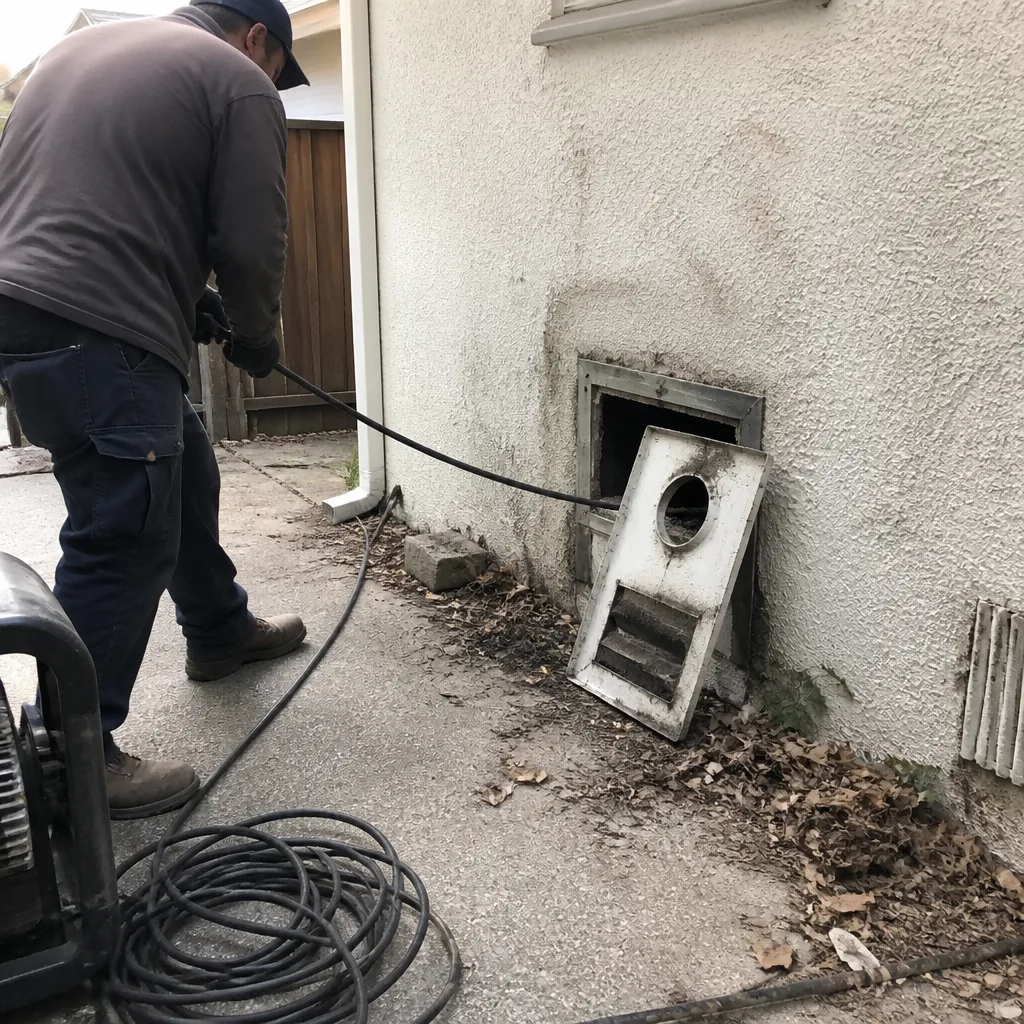 Before
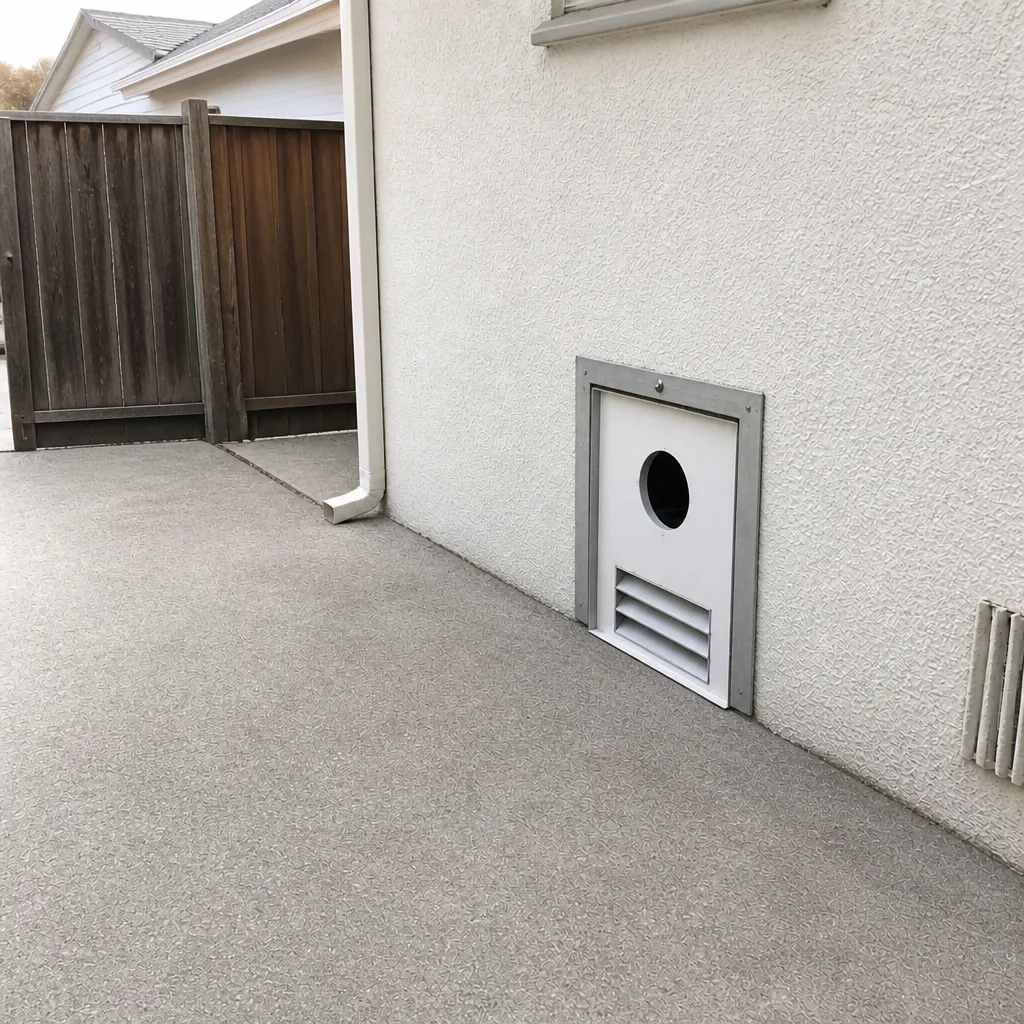 After
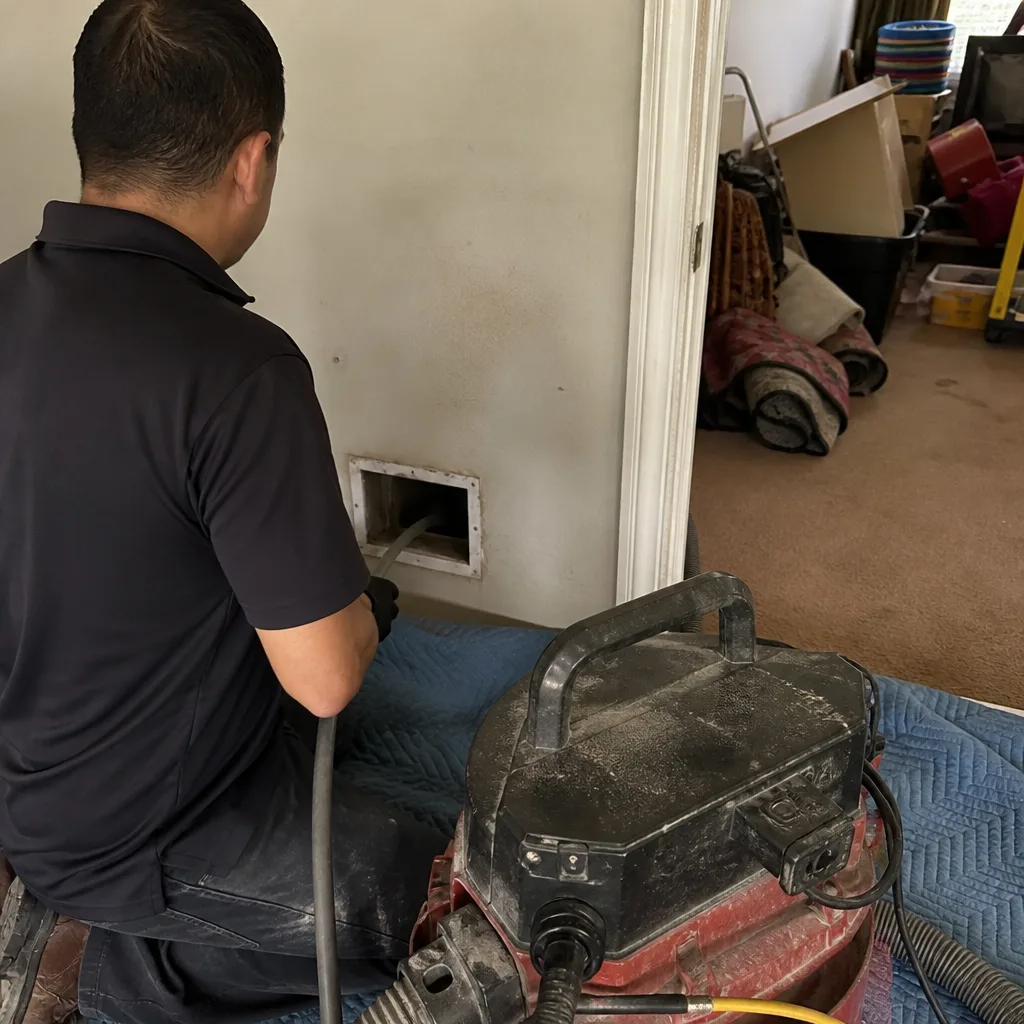 Before
 After
 Before
 After