
Last updated November 4, 2026
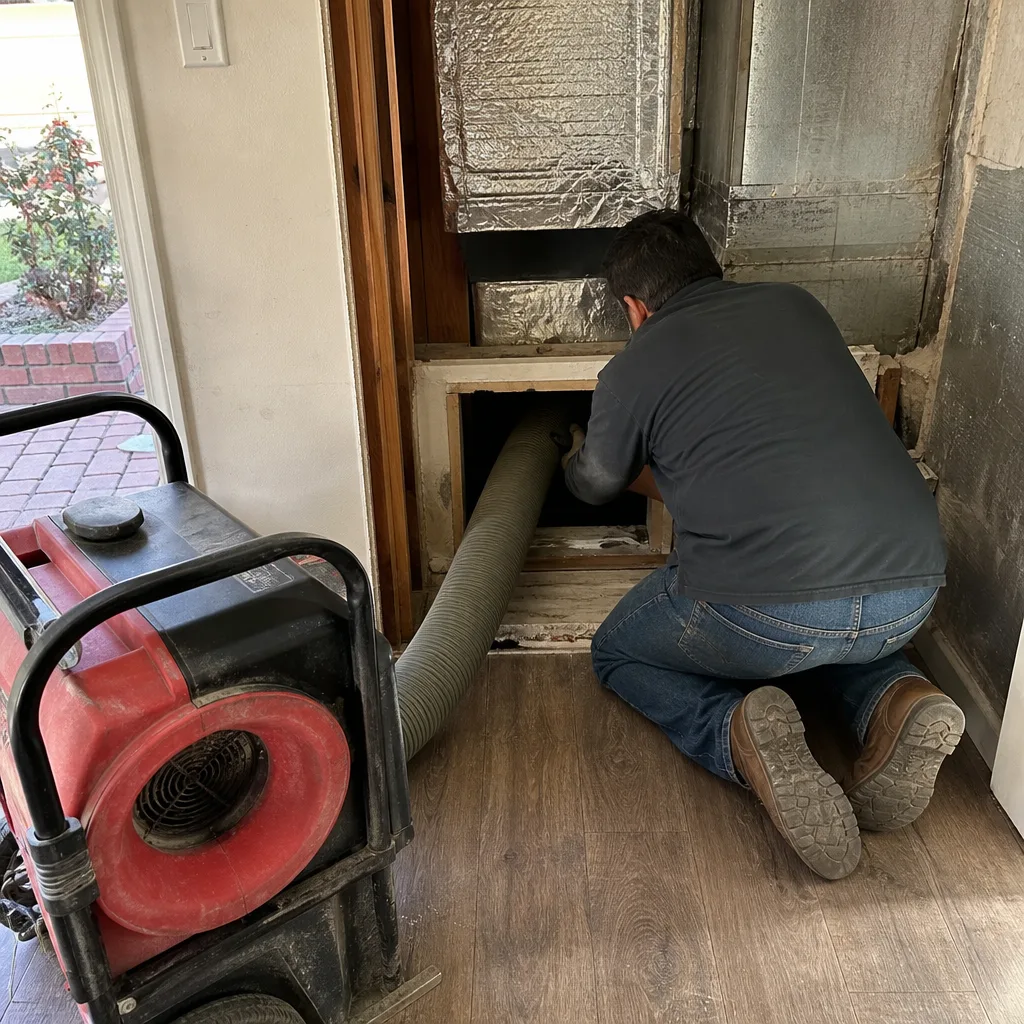
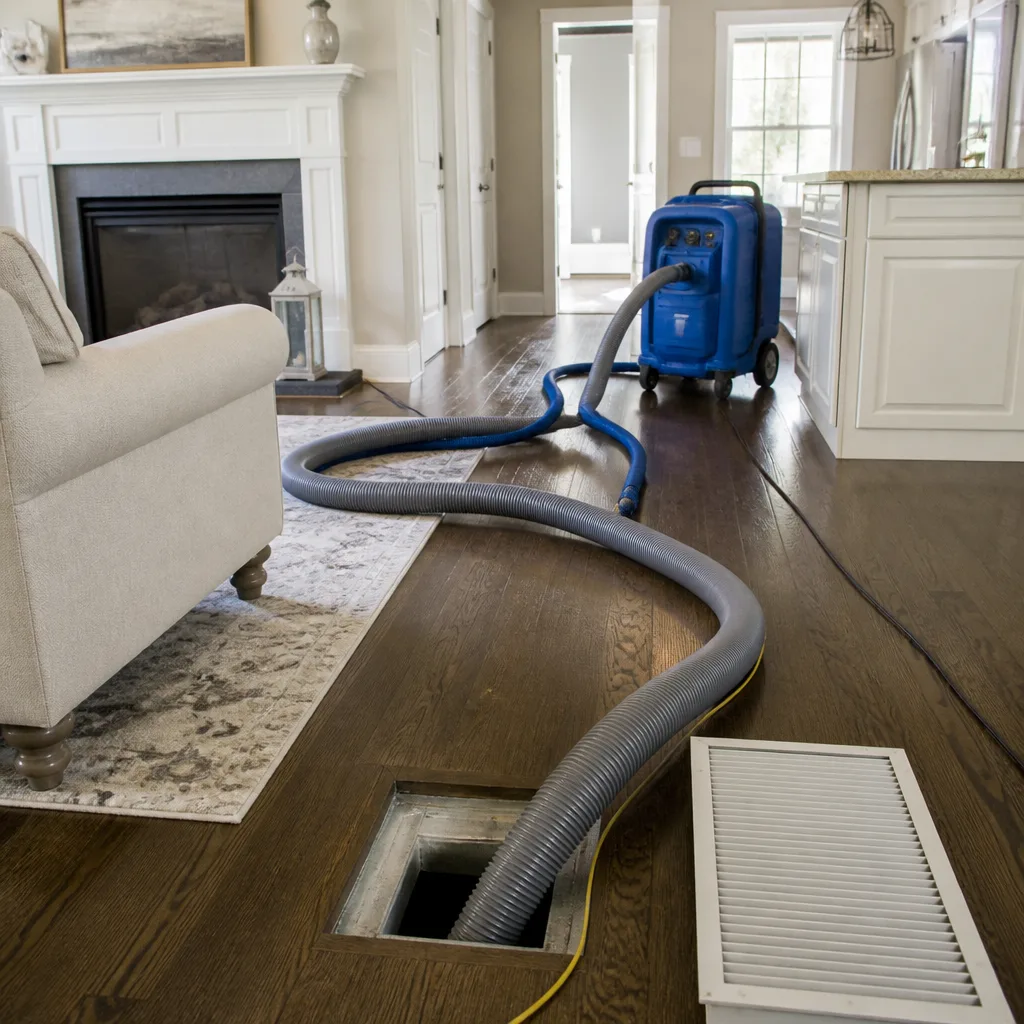 Whole-home duct cleaning
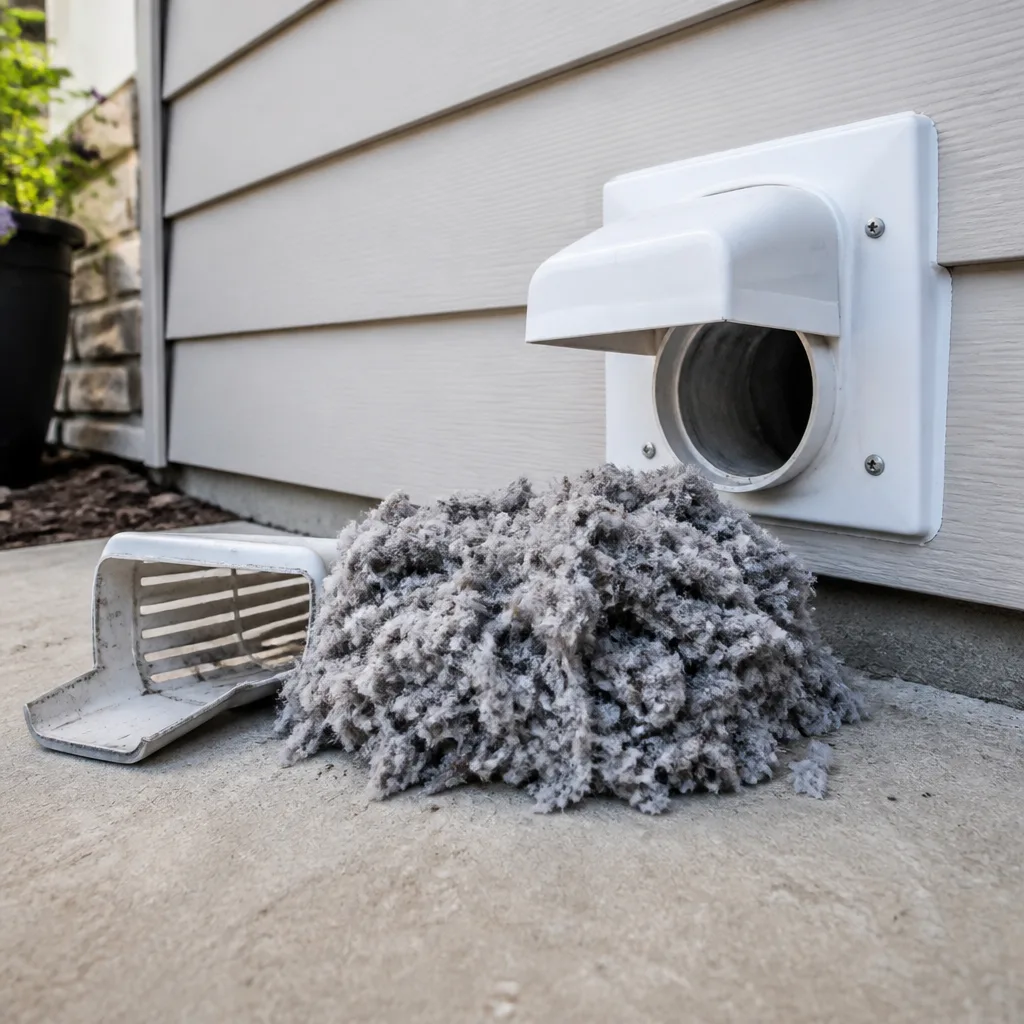 Dryer vent cleaning
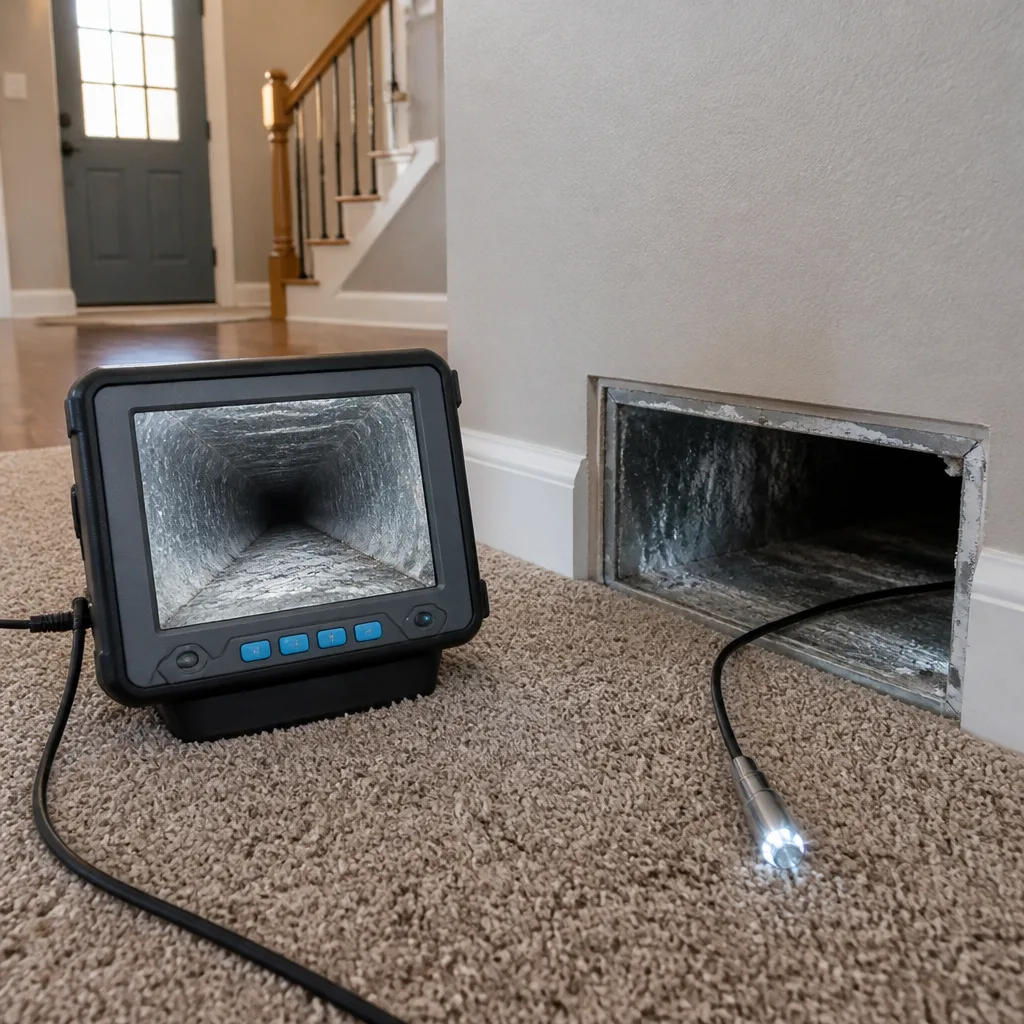 Camera inspection
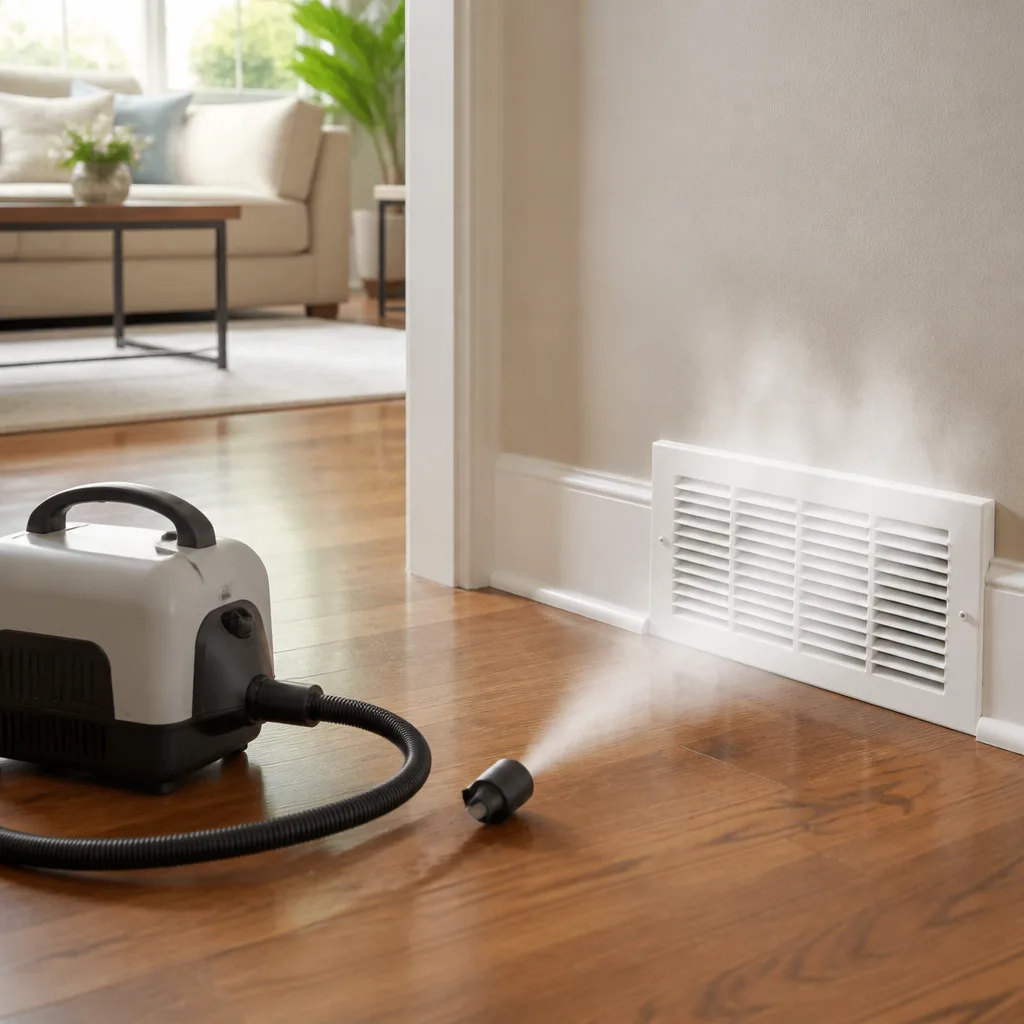 Sanitizing & deodorizing
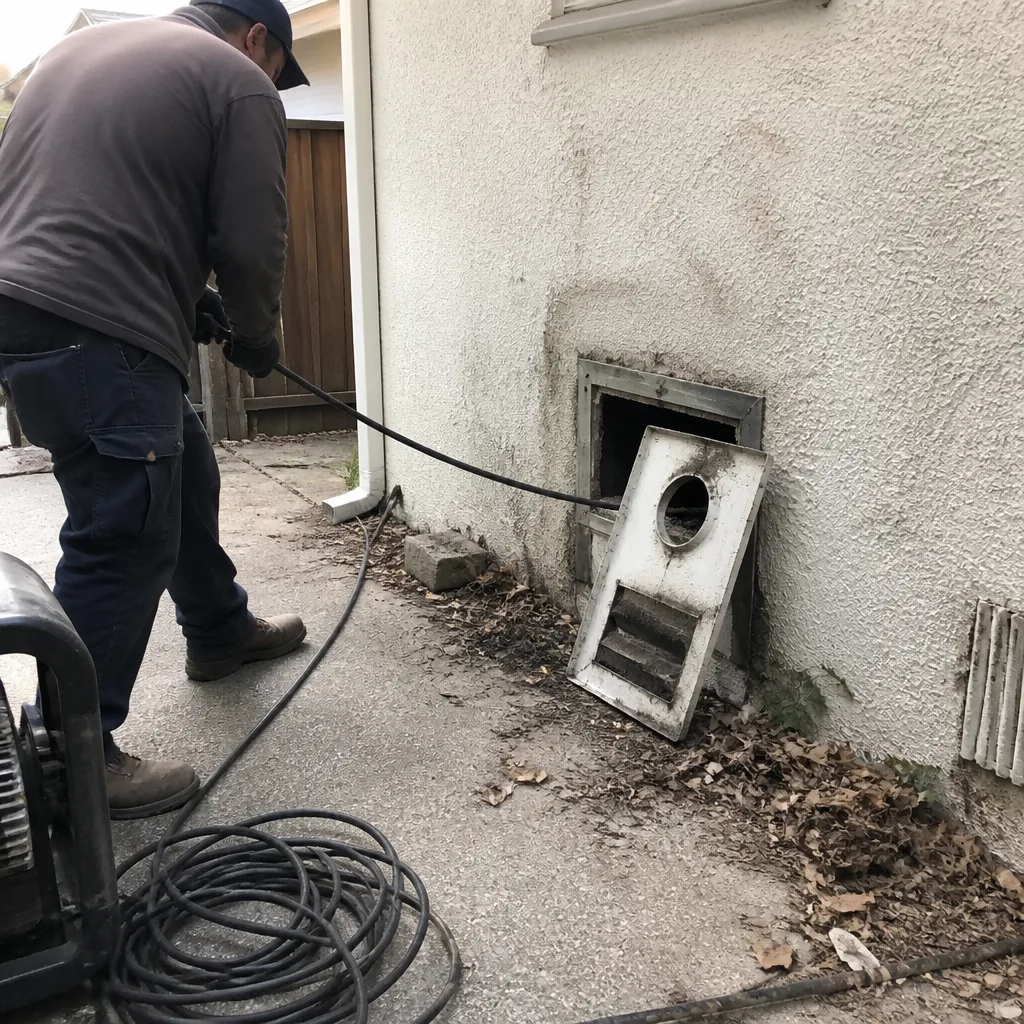
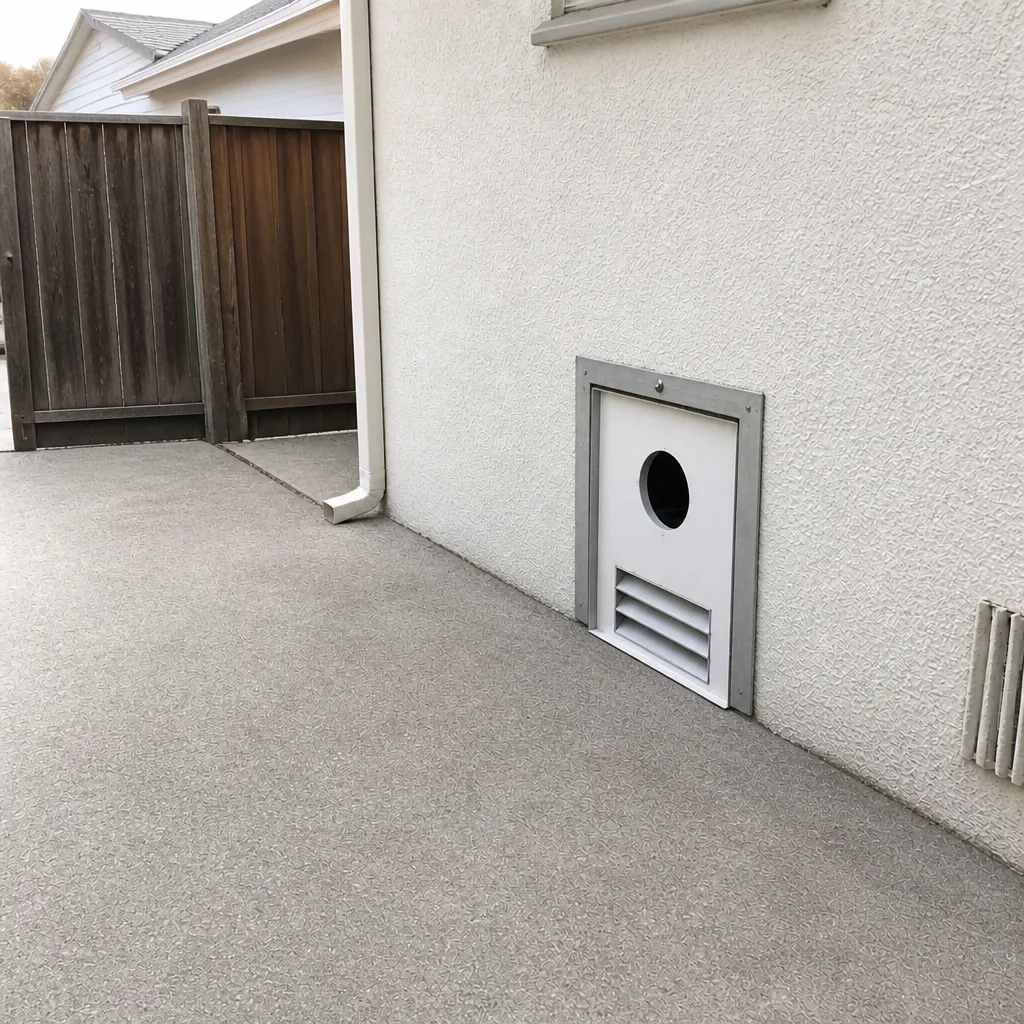
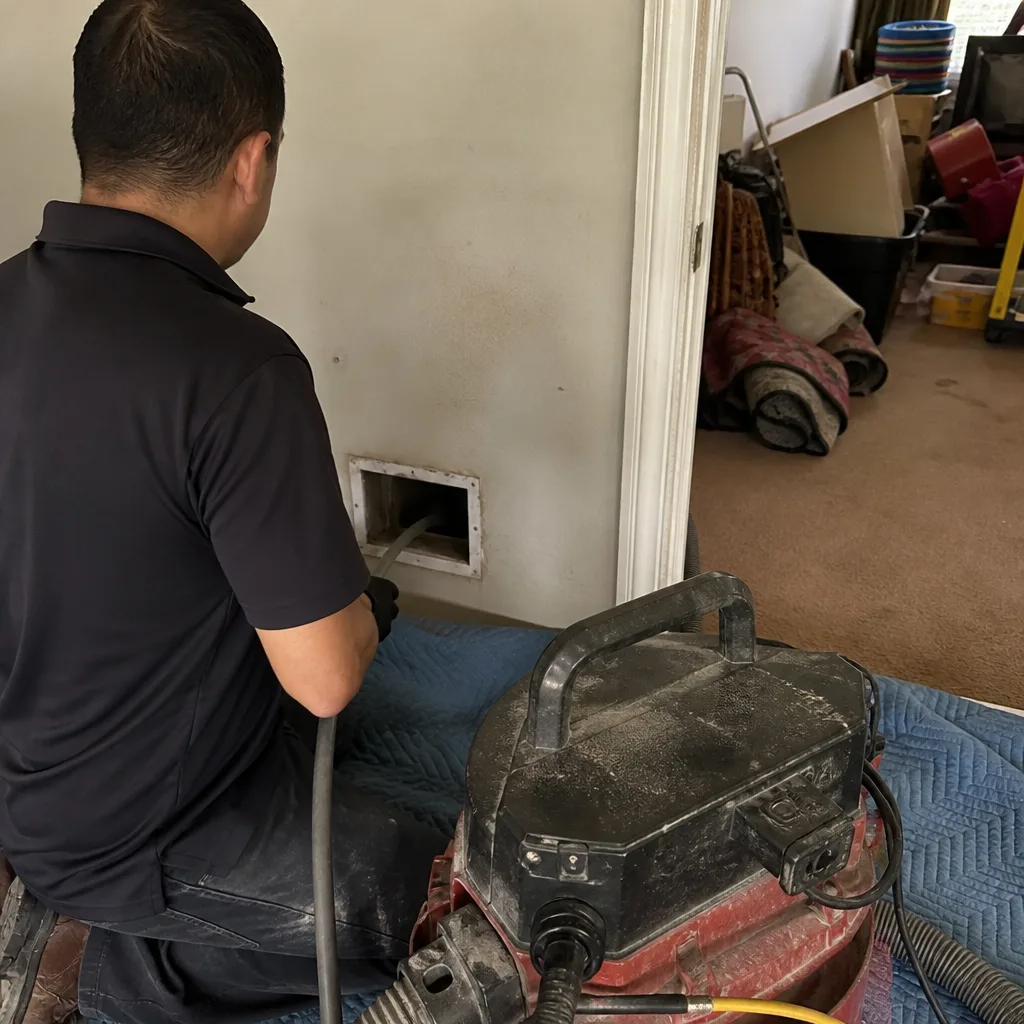
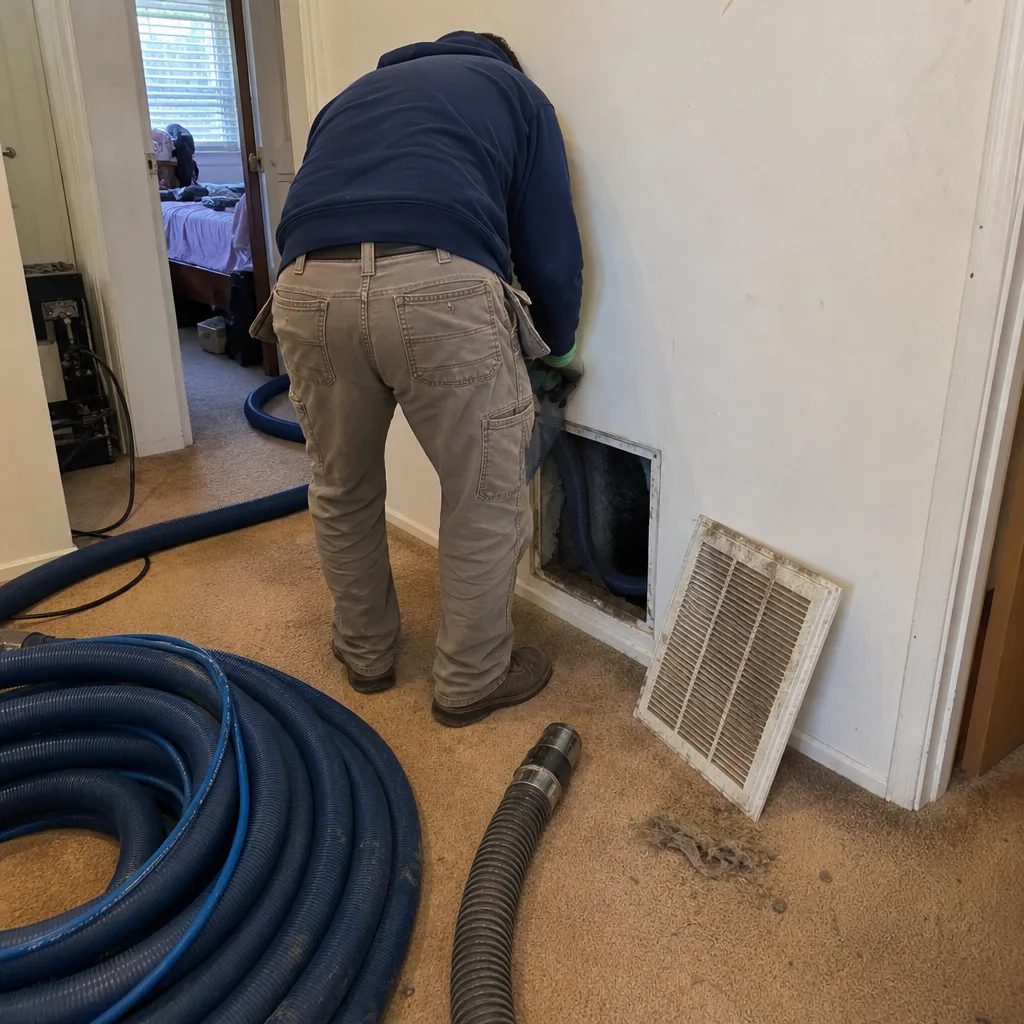
Whole-system duct and dryer vent check with before-and-after photos - you see exactly what came out of your vents
That "$99 whole-house special" is a bait ad - the real number appears once they are in your hallway, or the "clean" is a shop-vac at the register. We photograph the inside of your ducts before and after instead.
Air Duct Cleaning Maintenance Checklist for Arden-Arcade Homeowners
The filter is the first line of defense, but most Arden-Arcade homeowners only check it when airflow drops noticeably. By that point, the duct lining has already been accumulating debris for months, and the system is working harder than it should. This guide gives you a structured routine that catches early warning signs between professional visits, so you’re not surprised by a sudden loss of cooling in July or a dust bloom when the heater kicks on in November.
Quick Answer
An Arden-Arcade homeowner should check filters monthly, inspect accessible duct sections and return grilles quarterly, and schedule a professional source-removal air duct cleaning every 2 to 5 years depending on household occupancy, pet load, and proximity to wildfire smoke corridors. The checklist below breaks maintenance into monthly, quarterly, and annual tasks, plus the specific visual indicators that mean it’s time to call a professional rather than keep observing.
Styles & brands we work with
- Whole-home duct cleaning
- Dryer vent cleaning
- Camera inspection
- Sanitizing & deodorizing
Table of Contents
- Monthly Tasks: Filter Checks and Visual Sweeps
- Quarterly Tasks: Register Inspections and Airflow Audits
- Annual Tasks: The Pre-Smoke-Season System Review
- Filter MERV Ratings for Arden-Arcade Households
- Escalation Triggers: When Observation Isn’t Enough
- What to Log After Every HVAC Service Call
- Common Mistakes to Avoid
- When to Call a Professional
Monthly Tasks: Filter Checks and Visual Sweeps
Monthly maintenance is about catching change, not fixing problems. You’re building a baseline picture of how your system behaves so that deviations register immediately. The filter is the easiest thing to check and the most commonly ignored. Pull it out, hold it up to a light, and look at what’s trapped in the pleats. A filter that looks uniformly gray with dust is doing its job. A filter that’s clogged with a visible layer of debris, pet hair, or an oily residue is telling you something about what’s moving through your ducts.
Here’s the monthly routine we recommend for Arden-Arcade homes:
- Inspect the filter. Slide it out and examine both sides. If you can’t see the filter media through the debris, replace it immediately.
- Check return grilles. Walk to each return air vent and look at the slats. A fine layer of dust is normal. Clumps, gray fuzz, or visible lint means the return side is pulling in more than it should.
- Look at supply registers. Note which rooms have weak airflow. A room that’s always warmer in summer or cooler in winter may have a disconnected or pinched duct run, not a dirty system.
- Run your finger along the register face. After the system has been off for an hour, wipe a clean finger across the vent. If it comes away with a thick, sticky residue, that’s not just dust – it’s a sign of moisture or oil aerosolizing somewhere in the system.
- Listen for new sounds. A rattle that wasn’t there last month, a whistle from a closed damper, or a thump when the blower starts can signal loose duct connections or debris caught in the run.
None of these steps require tools or technical knowledge. They’re observation tasks that take ten minutes. The point is consistency – a monthly walkthrough builds the data set you’ll need when deciding whether to schedule a professional cleaning.
Quarterly Tasks: Register Inspections and Airflow Audits
Quarterly checks are where Arden-Arcade homeowners catch what monthly checks can’t: seasonal shifts. Sacramento Valley pollen peaks in spring, and wildfire smoke settles into the valley in late summer and fall. Your duct system responds to both. A quarterly inspection timed with the seasons gives you a clearer picture of how much debris is actually moving through the system.
Do this four times a year, ideally in March, June, September, and December:
- Remove two or three supply registers and look inside. You don’t need a camera. A flashlight angled into the duct opening will show you whether the interior walls have a light dust coating or a thick, felted layer. A light coating is normal. A thick layer means the duct lining has been accumulating for a while and source-removal cleaning is overdue.
- Check the register damper position. Dampers that have drifted closed restrict airflow to rooms and force the blower to work harder. If a room feels stuffy, check the damper before assuming the ducts are clogged.
- Inspect flexible duct runs in accessible areas. In many Arden-Arcade homes, flex ducts run through attics or crawl spaces. If you can safely access these areas, look for kinks, sags, or tears in the outer jacket. A sagging flex run creates a low point where debris collects and airflow drops.
- Sniff test at the registers. Turn the system on and stand near a supply vent. A musty or stale smell that appears when the blower runs suggests moisture or organic material somewhere in the system. A burning smell that fades after a minute is usually dust on the heat exchanger – noting it helps your technician diagnose.
- Compare room-to-room airflow. Hold a tissue near the register in two different rooms. A significant difference in how strongly the tissue moves tells you the distribution is off. Which room, which season, and how bad – that’s exactly the kind of data a duct professional can use.
Quarterly checks are also when you should look at the outdoor compressor unit. Leaves, cottonwood fluff, and grass clippings collect around the base and restrict condenser airflow. Clear a two-foot radius around the unit. A starved condenser runs hotter and longer, and that stress translates to the entire distribution system.
Annual Tasks: The Pre-Smoke-Season System Review
In Arden-Arcade, the annual maintenance window matters. August through October is wildfire smoke season in the Sacramento Valley. The fine particulate matter that settles into the valley during those months doesn’t just sit outside – it gets pulled into your return air and deposited on duct walls, blower motors, and evaporator coils. Scheduling your annual review before smoke season, ideally in July, means you enter the worst air-quality months with a clean system.
Here’s the annual checklist:
- Schedule a professional duct inspection. This is different from a cleaning. An inspection checks duct integrity, connection points, and internal buildup. A company that offers Copper Air Duct Cleaning style full-system evaluation will tell you whether cleaning is needed or whether there’s a repair issue that cleaning won’t fix.
- Have the blower motor and evaporator coil checked. These components sit upstream of your ducts. A fouled blower wheel throws dust into the airstream, and a dirty coil reduces the system’s ability to dehumidify – both of which shorten the time between professional cleanings.
- Review dryer vent condition. Your dryer vent is part of the same air-quality picture. A clogged dryer vent doesn’t just create a fire hazard; it also releases fine lint into the laundry area that gets pulled into the return air. A dedicated dryer vent cleaning is a fire-safety essential, not an add-on. Lint buildup is a documented leading cause of residential fires.
- Check the condensate drain line. In Sacramento Valley summers, the AC runs constantly. A clogged drain line backs water into the evaporator pan, creating moisture that feeds mold growth in the ductwork. Pour a cup of white vinegar down the line annually to keep it clear.
- Assess occupant changes. New pets, a new baby, a smoker moving in, a renovation project – these all change the particulate load on your system. If your household changed materially in the past year, your next cleaning may be due sooner than the standard interval.
The annual review is not a substitute for professional cleaning. It’s the scheduling decision point. You’re compiling a year of monthly and quarterly observations and deciding: is the system still performing, or is the accumulation finally at the point where a source-removal cleaning is warranted?
Filter MERV Ratings for Arden-Arcade Households
The right filter for your home depends on three variables: who lives there, what pets you have, and how close you are to smoke corridors. Arden-Arcade sits in a valley air basin where fine particulate from both pollen and wildfire smoke lingers. That means the standard fiberglass filter many homes run is undersized for the actual air quality challenge.
Here’s how to choose:
- MERV 8: The baseline. Catches pollen, dust mites, and carpet fibers. Adequate for a single adult with no pets, no allergies, and good overall health. If you’re running a MERV 8 filter, replace it every 30 days during spring pollen season.
- MERV 11: A solid middle ground for Arden-Arcade homes with one or two pets and mild seasonal allergies. Catches pet dander, finer pollen, and some smoke particulate. Replace every 60 to 90 days depending on what your monthly inspections show.
- MERV 13: The right choice for households with allergy sufferers, asthma, multiple pets, or homes within a few miles of major roadway particulate. Captures fine smoke particles and the smallest pollen fractions. Required density means you should verify your blower can handle the static pressure – not every residential system can.
One caution: a higher MERV rating is not automatically better. A MERV 13 filter in a system designed for MERV 8 will restrict airflow, force the blower to work harder, and can freeze the evaporator coil in summer. If you’re unsure, have an HVAC professional confirm your system’s static pressure tolerance before stepping up the filter rating. And remember – even the best filter only protects the equipment. It doesn’t clean the duct walls downstream. The ducts still accumulate debris over time regardless of filter rating.
Escalation Triggers: When Observation Isn’t Enough
There’s a moment in every duct system’s life when it transitions from “dirty but functional” to “compromised.” Knowing that threshold is the real value of a maintenance checklist. You’re not just tracking cleaning intervals – you’re watching for the signs that a cleaning alone won’t solve the problem.
These indicators mean the checklist has served its purpose and it’s time for professional assessment:
- Visible mold growth on or around registers. This is not a cleaning issue. It’s a moisture problem that requires source identification and remediation. Cleaning will remove surface mold temporarily, but it returns unless the moisture source is fixed.
- Dust returns within days of cleaning. If you’ve cleaned every return and supply grille and visible dust reappears on surfaces within 72 hours, the issue is inside the ducts – not on the registers. The system is actively distributing debris.
- Persistent musty odor with the blower running. A smell that’s present only when the system runs, and hasn’t responded to filter changes, points to organic material somewhere in the duct run or the air handler.
- Rooms that never reach set temperature. If one room is consistently 5 degrees warmer in summer or cooler in winter despite open dampers and a clean filter, the problem is likely a disconnected, crushed, or undersized duct run – a repair issue, not a cleaning issue.
- Elevated energy bills without a corresponding lifestyle change. A system that’s moving air through constricted ducts works harder to hit the thermostat. A bill that climbs 15-20% over the same month last year, with no change in occupancy or thermostat settings, is a data point worth sharing with a professional.
What we’ve seen in Arden-Arcade homes is that these triggers rarely appear alone. A room that won’t cool plus a musty smell plus dust reappearing – that’s a system telling you it needs more than a vacuum pass. That’s where air duct repair enters the conversation. We repair what others just clean around, because a torn flex duct or a disconnected boot won’t be fixed by agitation and extraction. It needs a physical repair to the ductwork itself.
What to Log After Every HVAC Service Call
Most homeowners treat HVAC service as a one-off event. The tech comes, does the work, leaves. What’s missing is the running record that would make the next service decision easier. A simple duct maintenance log – a spiral notebook or a notes app – is the single highest-leverage habit an Arden-Arcade homeowner can build.
After every service call, write down:
- Date and type of service. Was it a cleaning, a repair, a diagnostic visit? What specific equipment was used? If the company used Rotobrush source-removal equipment, note that – it tells you the cleaning method was agitation and extraction, not just vacuuming.
- Filter replacement date and MERV rating. This creates a replacement cadence you can track against the monthly inspections. You’ll see within six months whether your interval should be 30 or 90 days.
- Any repairs performed. What was replaced, where, and why. A patched flex duct in the guest bedroom run is information you’ll want if airflow problems recur in that room.
- Observations the technician shared. Did they mention excess debris in a particular branch? A coil that’s fouling faster than normal? A register that showed signs of moisture? Write it down. That detail is gold the next time you talk to any service provider.
- Cost and scope. Not just for budgeting, but for comparing apples to apples. A $400 cleaning that used source-removal equipment is a very different service than a $200 blow-and-vacuum pass. Your log keeps you from confusing price with value.
This log is what transforms maintenance from reactive to proactive. When a technician asks “when was the last cleaning?” you have an answer with specifics. When you’re deciding whether this year’s spring pollen season warrants another cleaning or you can push to fall, the log gives you the trend line.
Common Mistakes to Avoid
- Trusting the filter to do everything. Arden-Arcade homeowners often assume a high-MERV filter means the ducts stay clean. The filter protects the equipment; it does nothing for debris already adhered to the duct walls. That debris only comes out with physical agitation and extraction.
- Waiting for visible dust before acting. By the time you see dust collecting on furniture within days of cleaning, the system has been distributing debris for months. The checklist exists so you catch the problem before it hits that stage.
- Confusing a cheap duct cleaning with a source-removal cleaning. A blow-and-vacuum service that costs half the price is not the same job. Rotobrush source-removal equipment physically agitates debris from the duct walls before extraction. That’s the difference between cleaning the air and cleaning the system.
- Ignoring the dryer vent because it’s “separate.” Your dryer vent is connected to the same indoor air picture as your ducts. A clogged dryer vent increases dryer runtime, releases lint into the laundry area, and creates a fire hazard. We treat it as a dedicated service for exactly this reason.
- Skipping the pre-smoke-season review. In the Sacramento Valley, smoke season is predictable. Every year, particulate settles over Arden-Arcade. Entering that window with clean ducts means less smoke particulate gets distributed through the home for the next three months.
- Assuming all registers should be open all the time. Closing registers in unused rooms seems like an energy saver, but it raises static pressure and can push debris into the closed-off branch runs. If you’re closing registers, note it in your log and watch airflow in the open rooms for changes.
- Not documenting service visits. Without a log, every service call starts from zero. You can’t spot a trend you didn’t record. The homeowners who get the most from professional duct cleaning are the ones who can tell you exactly what was done and when.
When to Call a Professional
The checklist you’ve built is your early-warning system. When a trigger fires, don’t wait for the next quarterly review. A pro can inspect the system and tell you whether you’re dealing with normal accumulation, a repair issue, or something that needs immediate attention. We’ve walked into Arden-Arcade homes where a homeowner’s quarterly log showed a slow airflow decline in one room for a year – and the culprit turned out to be a disconnected boot, not dirty ducts. That’s the difference between a cleaning call and a repair call, and only an assessment settles it. If you’re seeing triggers or your service log suggests the system is overdue, don’t guess. Copper Air Duct Cleaning offers free estimates in Arden-Arcade. Call (833) 734-3714. We answer 24/7. Fast dispatch from 7am to 7pm, Sunday through Friday.
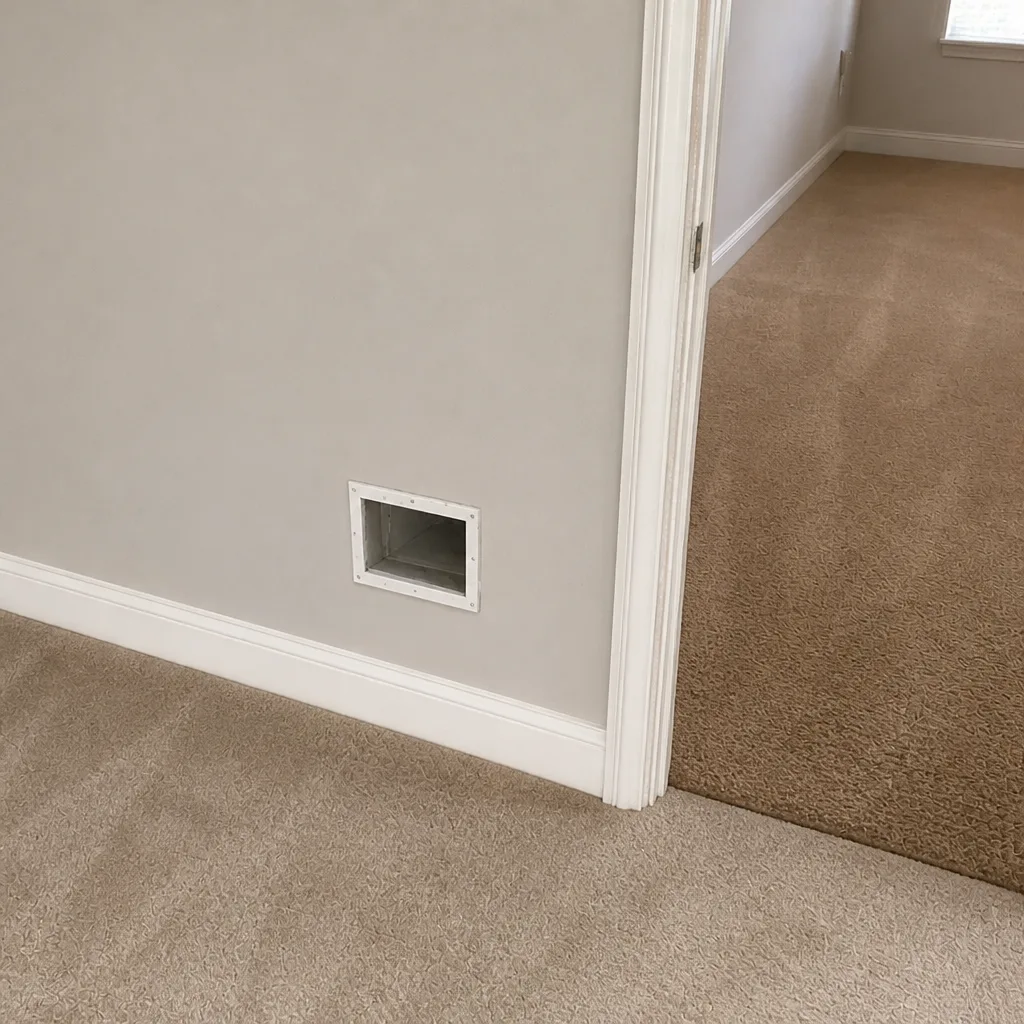
See the difference
 Before
 After
 Before
 After
 Before
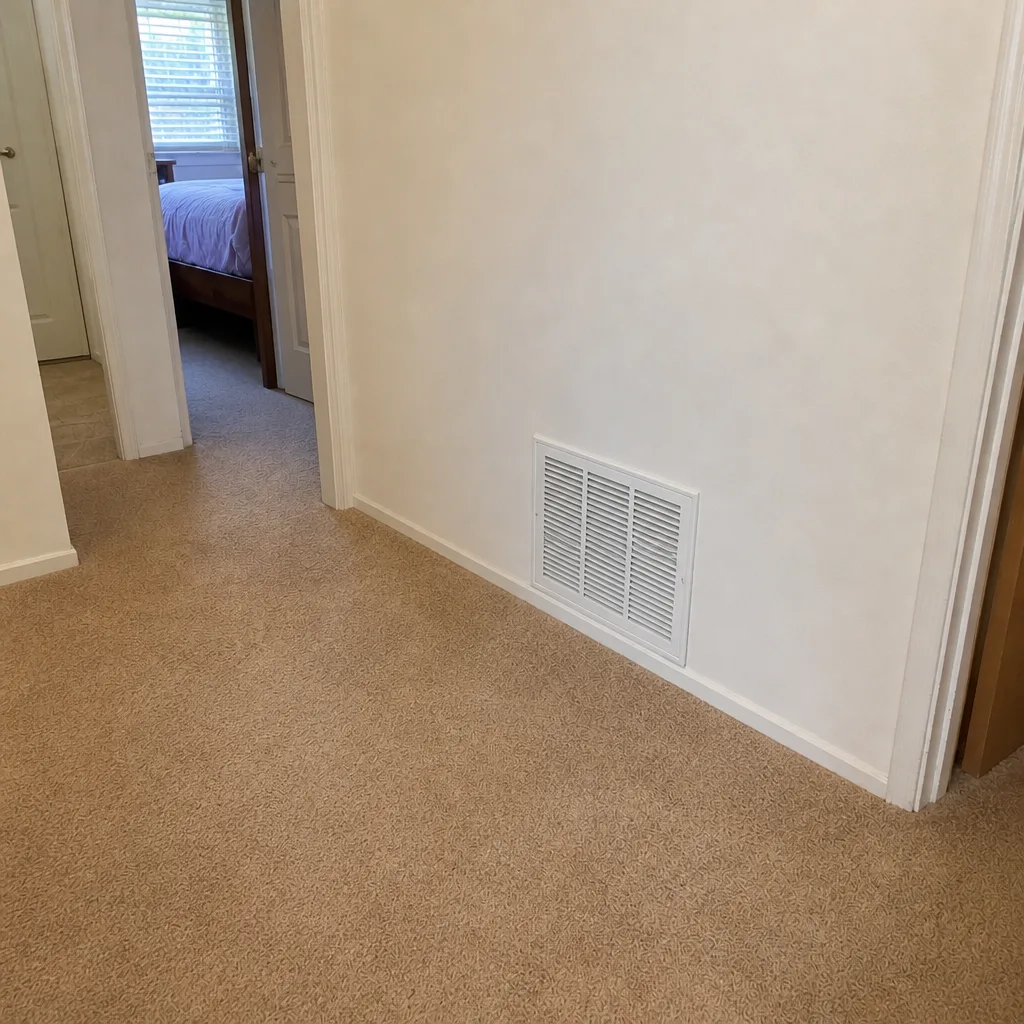 After
Frequently Asked Questions
Every 2 to 5 years is the standard interval, but Arden-Arcade’s valley air quality pushes many homes toward the shorter end. Homes with pets, smokers, or residents with allergies and homes within a few miles of heavy roadway particulate usually need cleaning every 2 to 3 years. Your monthly and quarterly checklist observations are the best guide. If the log shows rapid dust accumulation or persistent musty odors, the cleaning interval shortens.
A source-removal cleaning physically agitates debris from the duct walls before extraction. The process uses equipment like Rotobrush systems that spin brushes or compressed air against the interior surface, dislodging what’s adhered to the walls. A simple vacuum pass without agitation removes loose debris only. The difference shows up in what’s left behind – or rather, what’s not. For pricing specific to your system, call (833) 734-3714 for a free estimate.
A shop vac can clear loose dust from the first few feet of accessible duct, but it cannot reach the full run. The tools simply don’t have the reach, and standard shop-vac hoses lack the suction capacity for branches and returns. More importantly, agitating debris without proper containment redistributes fine particulate into the living space. That’s why professional systems use Nikro industrial vacuum systems with Abatement Technologies negative-air containment. If you’re going to clean, the equipment matters.
The Sacramento Valley sits in a bowl that traps particulate from pollen, agricultural dust, and wildfire smoke. When the wind picks up in spring and fall, that particulate works its way into homes through leaks, open windows, and the HVAC system itself. A home that gets dusty within days of cleaning often has either a leaky return pulling in attic or crawl space air, or a duct system that’s actively distributing accumulated debris. Both are diagnosable with a professional inspection.
Yes. Lint is highly flammable, and a restricted dryer vent causes the dryer to run hotter and longer, increasing the temperature inside the vent run. Lint buildup is a documented leading cause of residential fires. Even if a fire never occurs, a clogged vent means the dryer takes twice as long to dry clothes, wastes energy, and releases fine lint into the house. We treat dryer vent cleaning as a home-safety service, not a convenience.
That smell usually means organic material or moisture is present somewhere in the system – often on the evaporator coil or inside a duct run. Don’t ignore it. A filter change won’t solve it, and running the system spreads whatever is causing the smell throughout the house. Shut the system off and call for a professional assessment. We can locate the source and tell you whether it’s a cleaning issue, a repair issue, or both.
The Bottom Line
Air duct maintenance in Arden-Arcade isn’t a single annual task. It’s a rhythm: monthly filter checks, quarterly visual inspections timed to the valley’s pollen and smoke seasons, and an annual pre-smoke-season review that determines whether a professional cleaning is warranted. The filter is not the whole answer. What accumulates on the duct walls stays there until it’s physically removed with source-removal equipment. And when the checklist turns up signs of damage – crushed flex runs, disconnected boots, visible moisture – cleaning won’t fix it. That’s a repair call. Build the habit. Keep the log. And when the observation phase has done its job, pick up the phone.
Written by the team at Copper Air Duct Cleaning, serving Arden-Arcade since 2011.